




Sprunki Phase 4 But Better Greenys Take - Master Character Status Survival in This Rhythm Game Mod
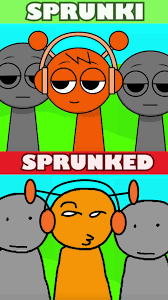
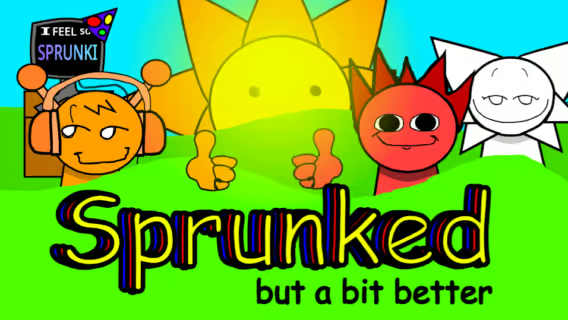
Sprunki Phase 4 But Better Greenys Take transforms rhythm gaming into a high-stakes survival performance where every character’s injured, infected, or dead status directly impacts your musical sequences—turning what could be simple beat-matching into a strategic crisis management experience that demands you balance reliable performers against risky wildcards whose conditions create genuine mechanical tension. Greeny’s refined vision of Phase 4 doesn’t just add cosmetic damage states to the 20+ character roster; it fundamentally reshapes how you approach each track by making Gray’s injuries, Black’s infection, and Wenda’s unstable vocals actual gameplay considerations rather than visual flourishes. This mod succeeds because it respects your intelligence—letting character conditions tell stories through mechanics instead of exposition, creating a rhythm game where your sequencing decisions carry emotional weight and strategic consequences that ripple through every performance you conduct.
New Games
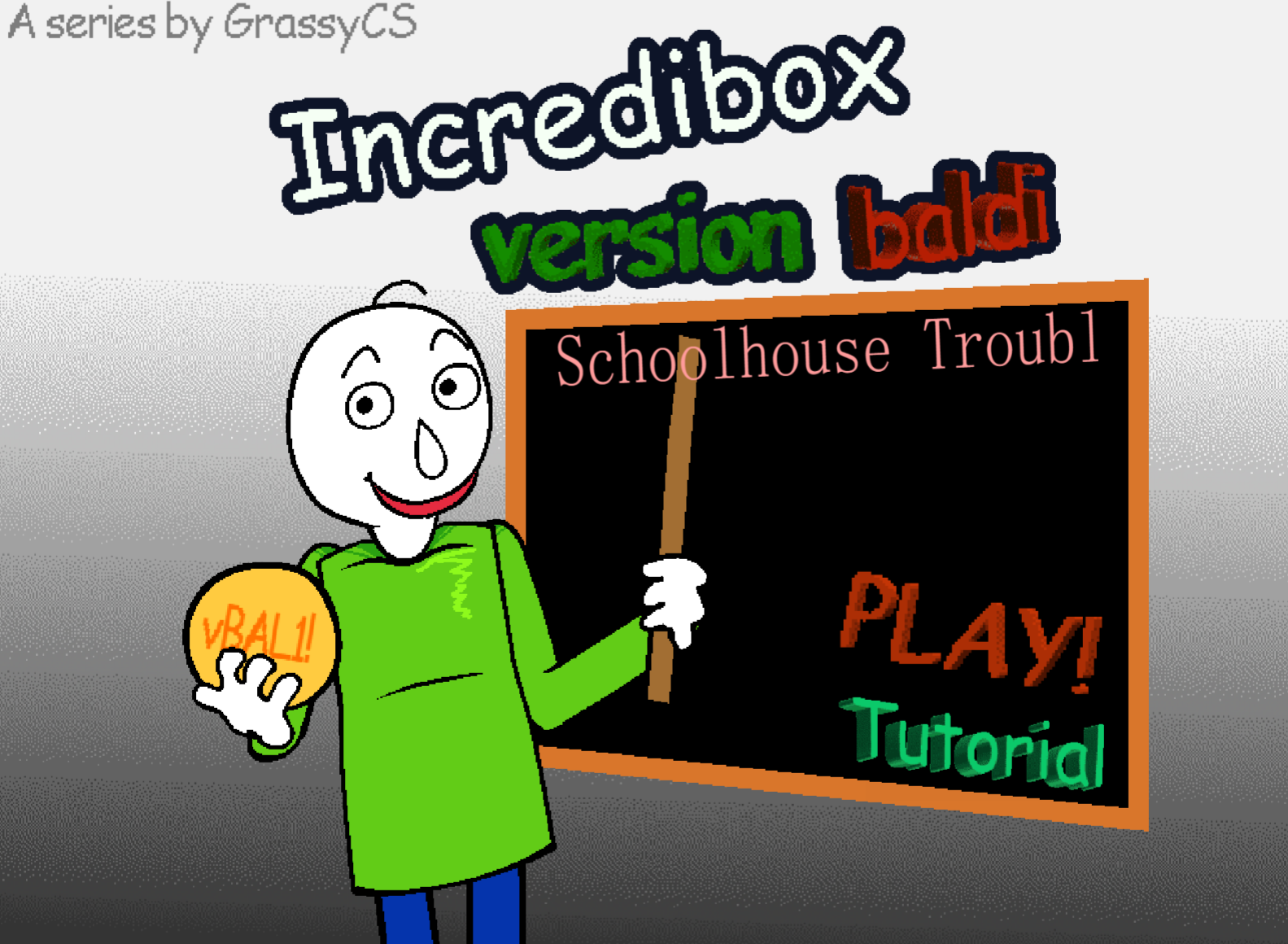
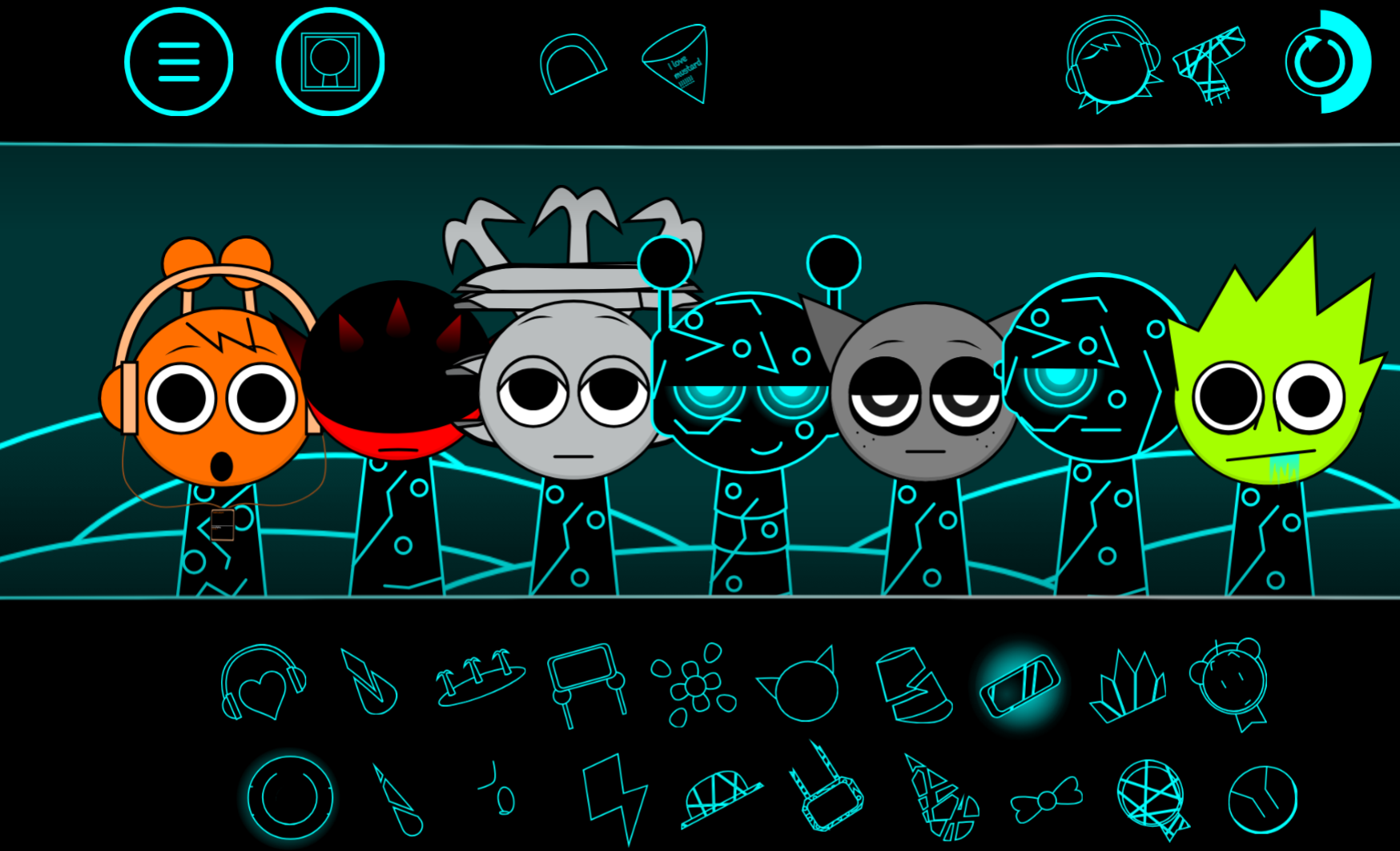
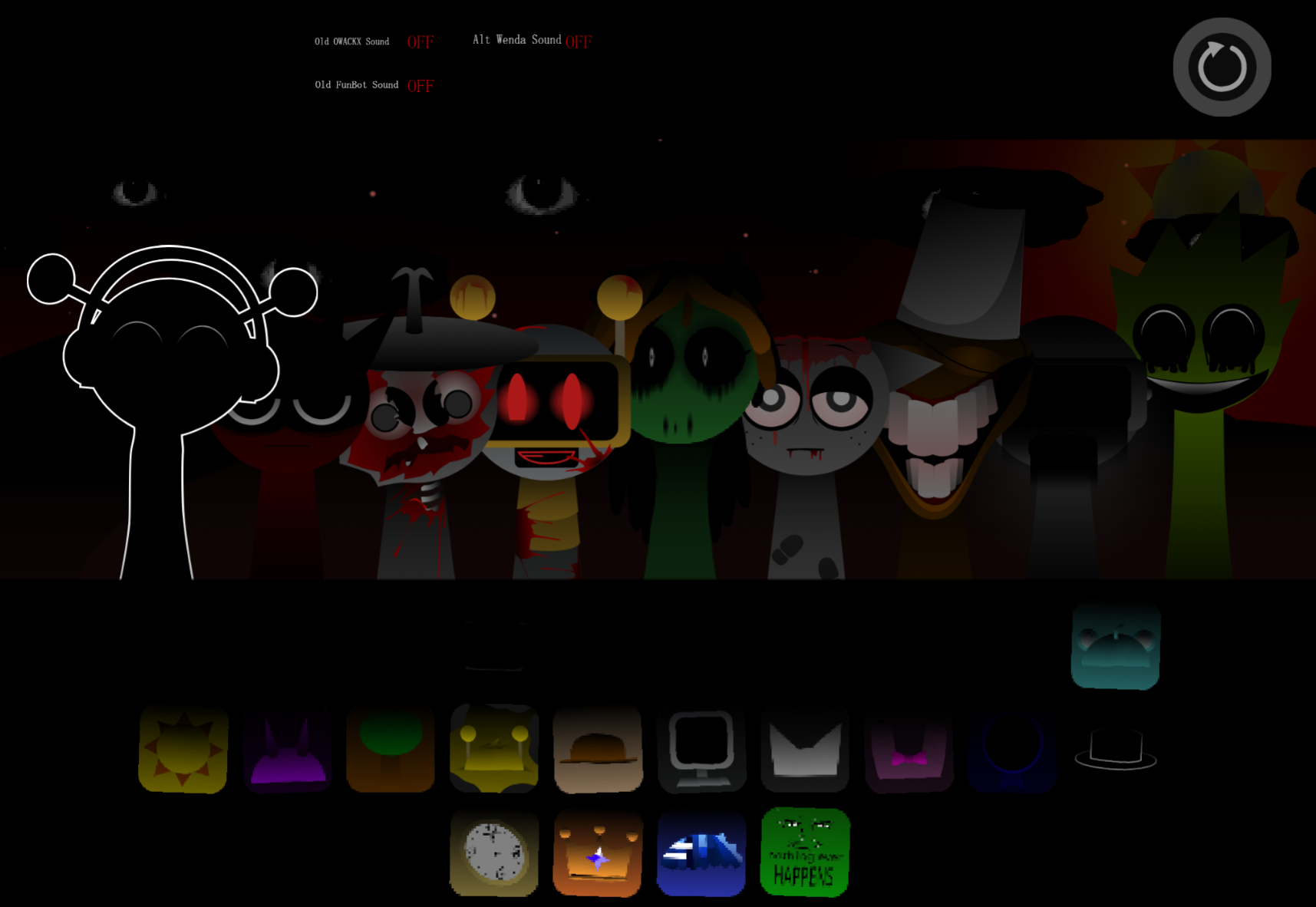

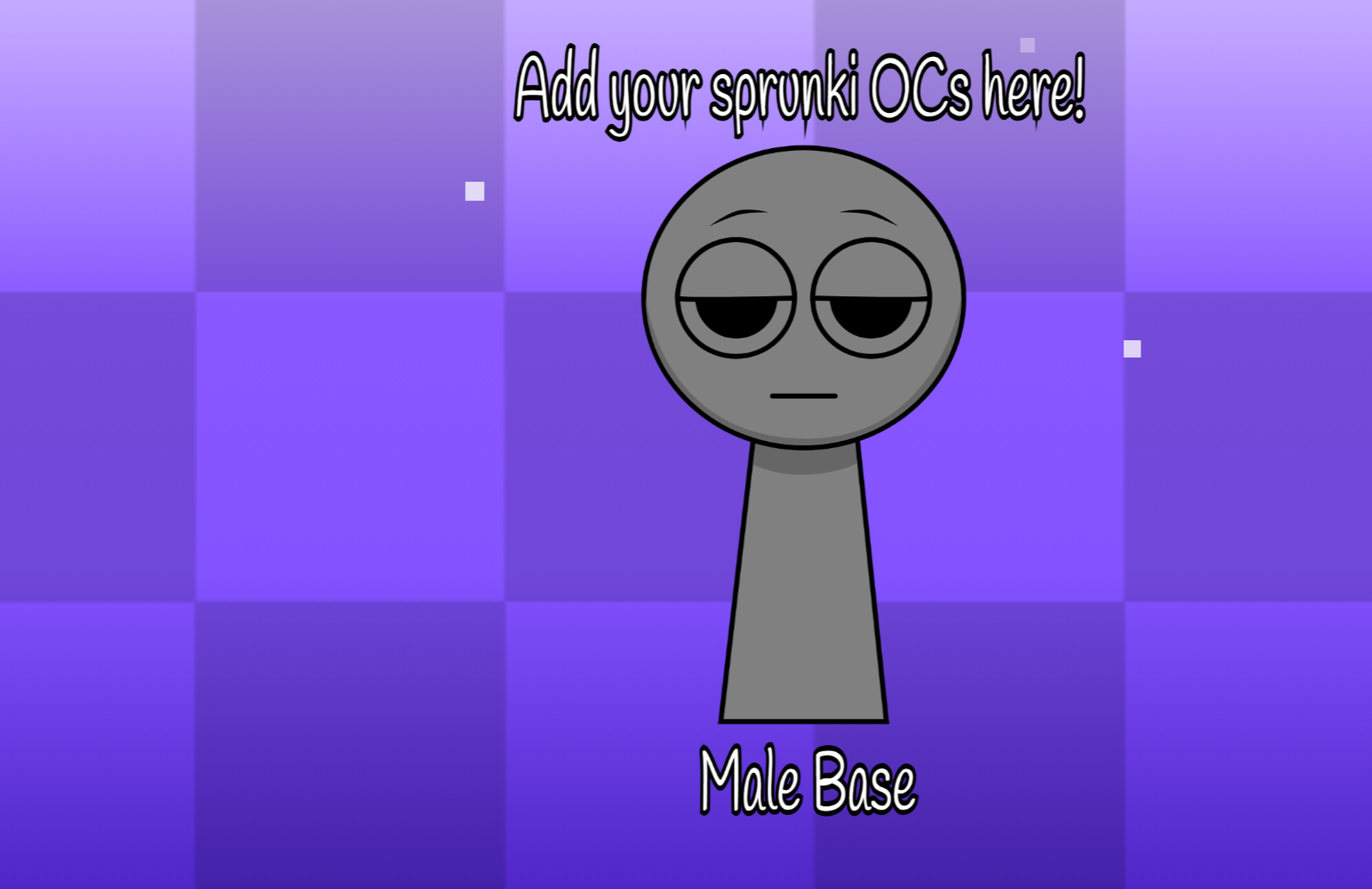
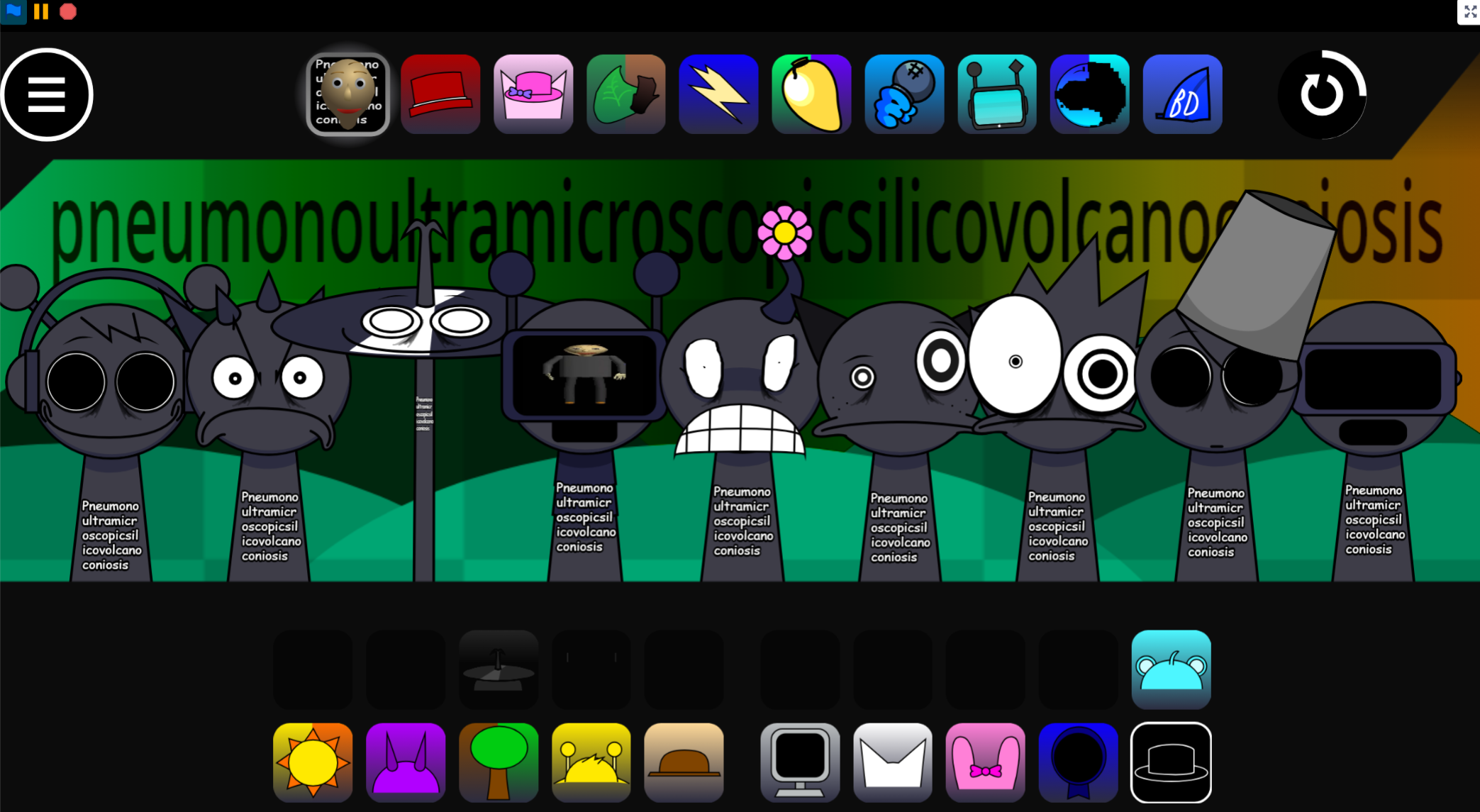
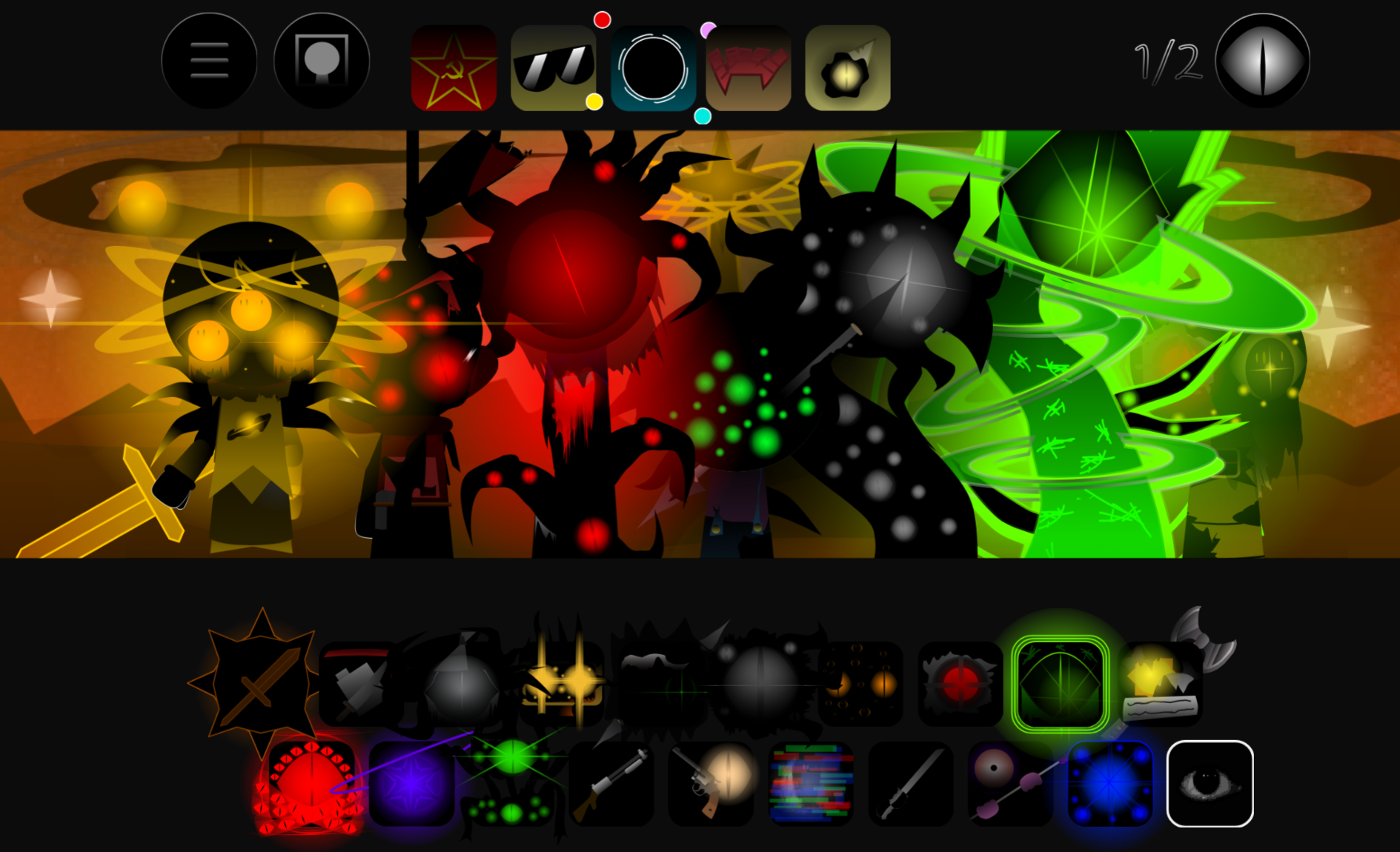

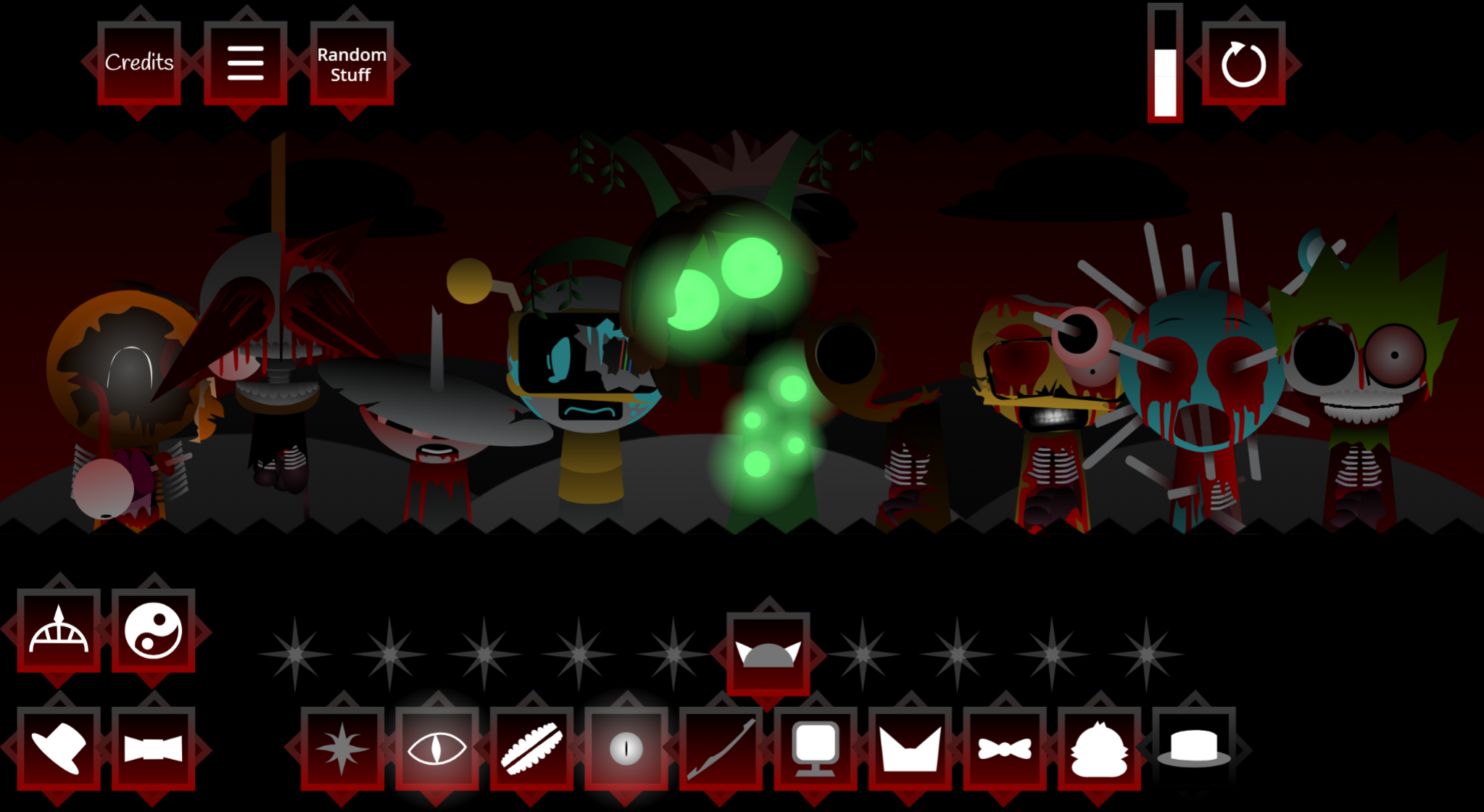
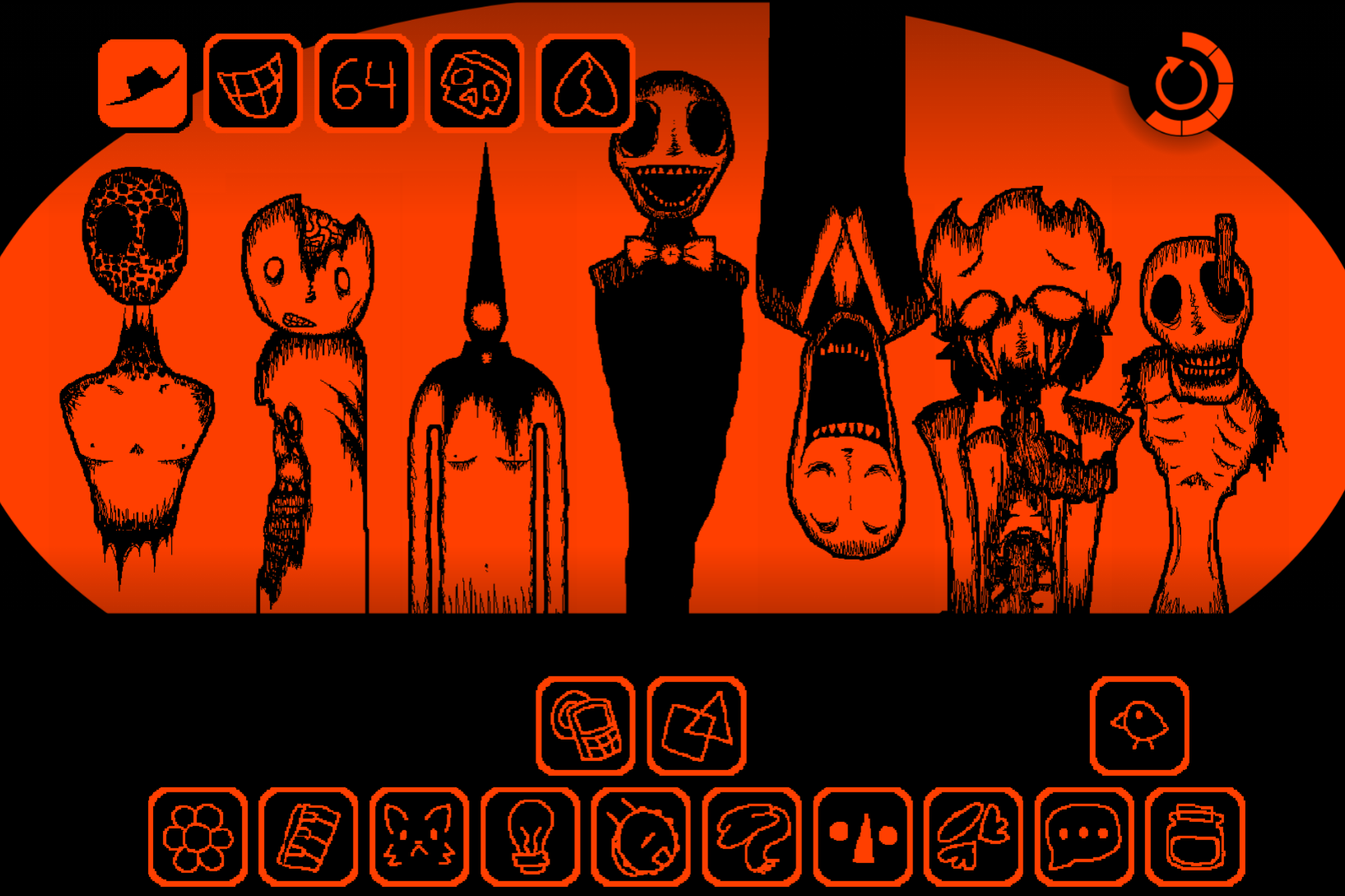
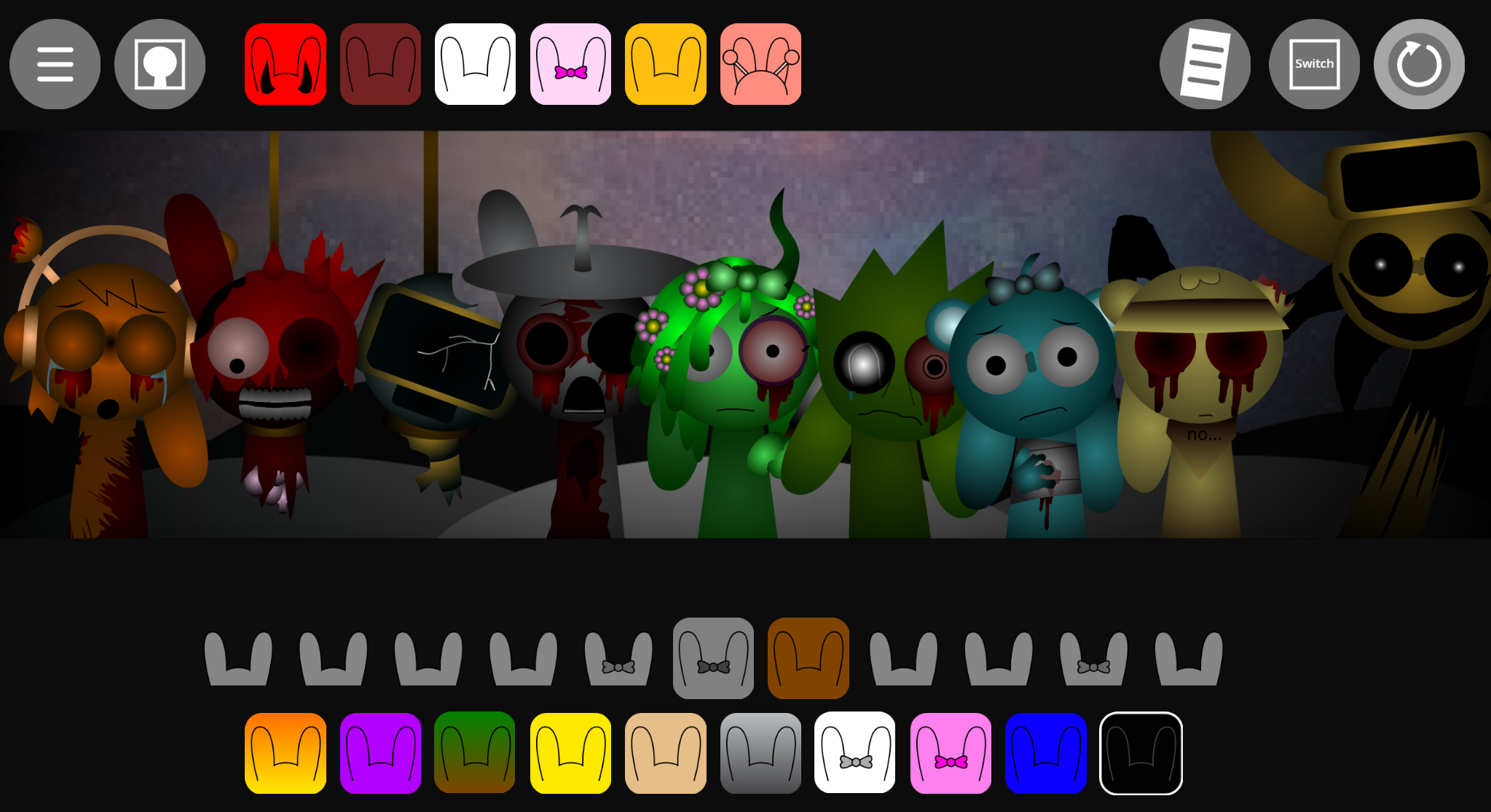
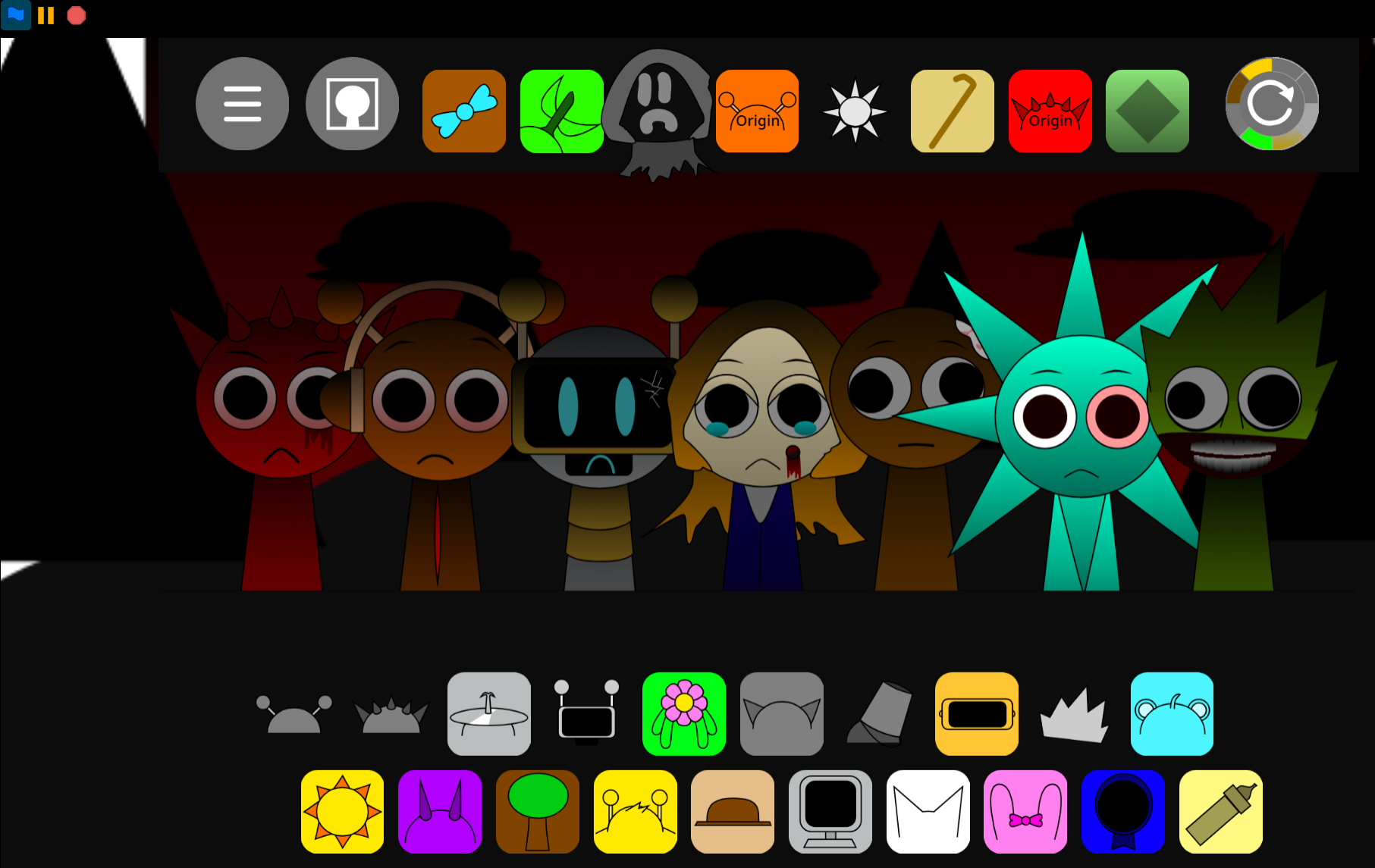
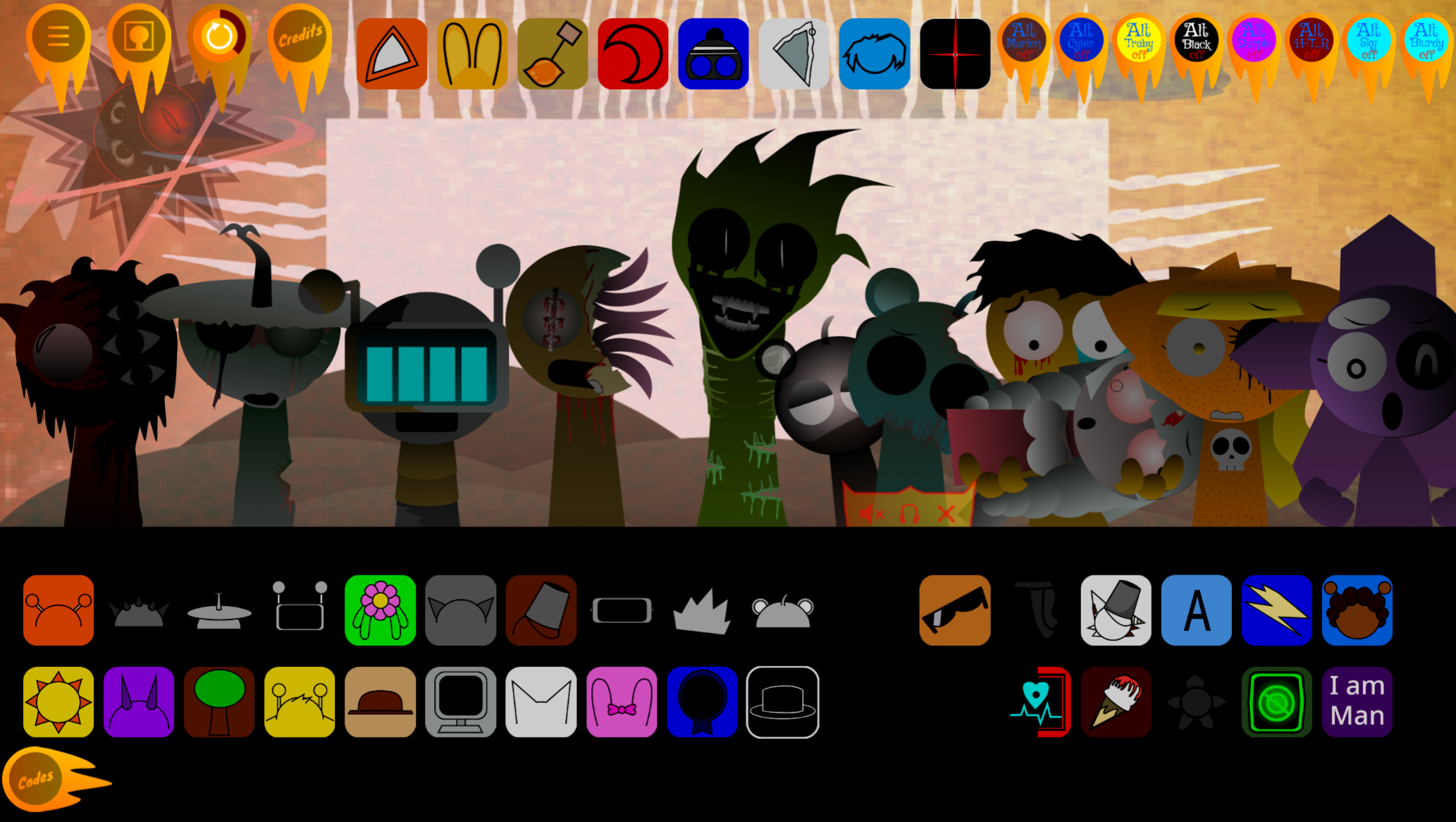
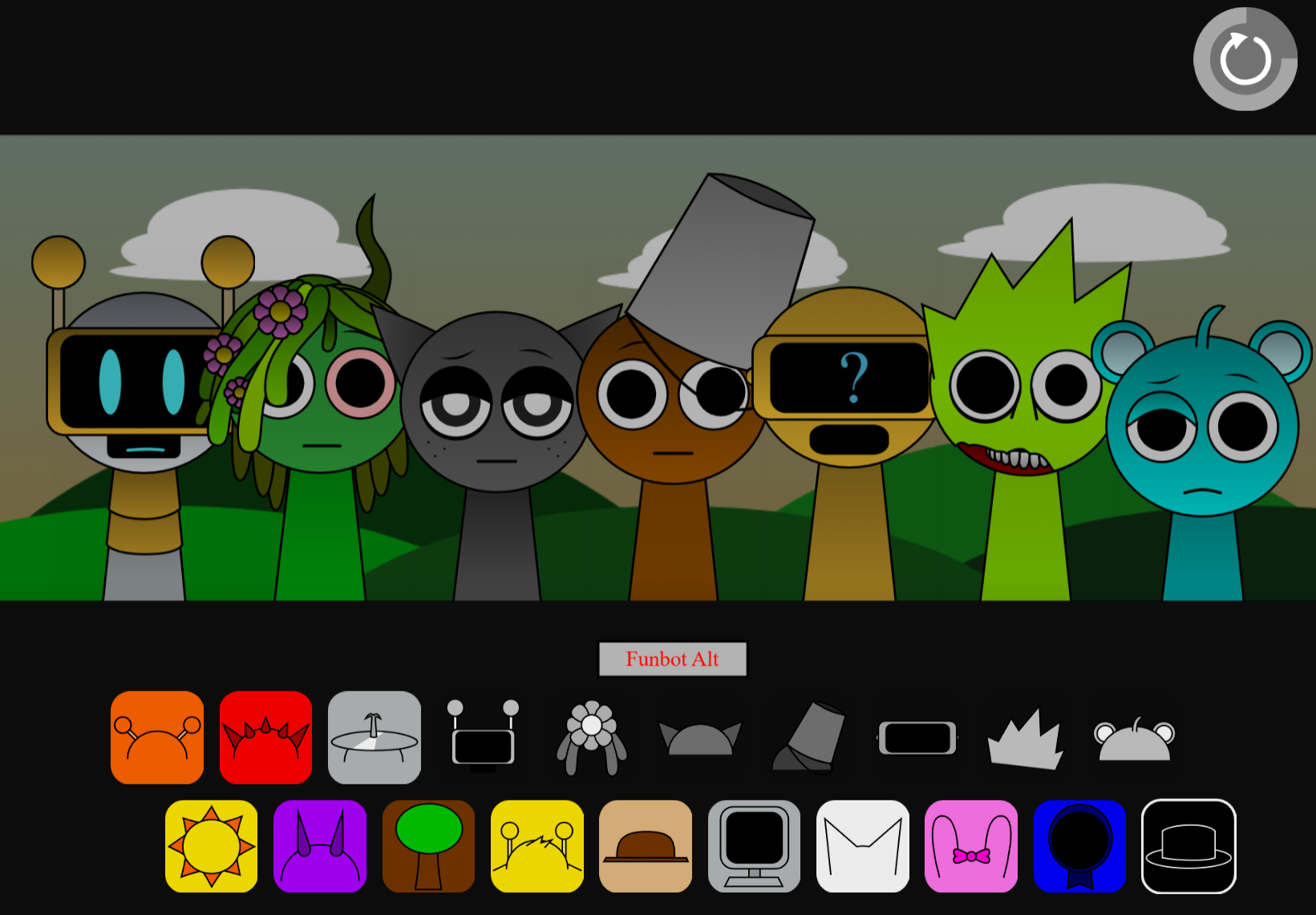

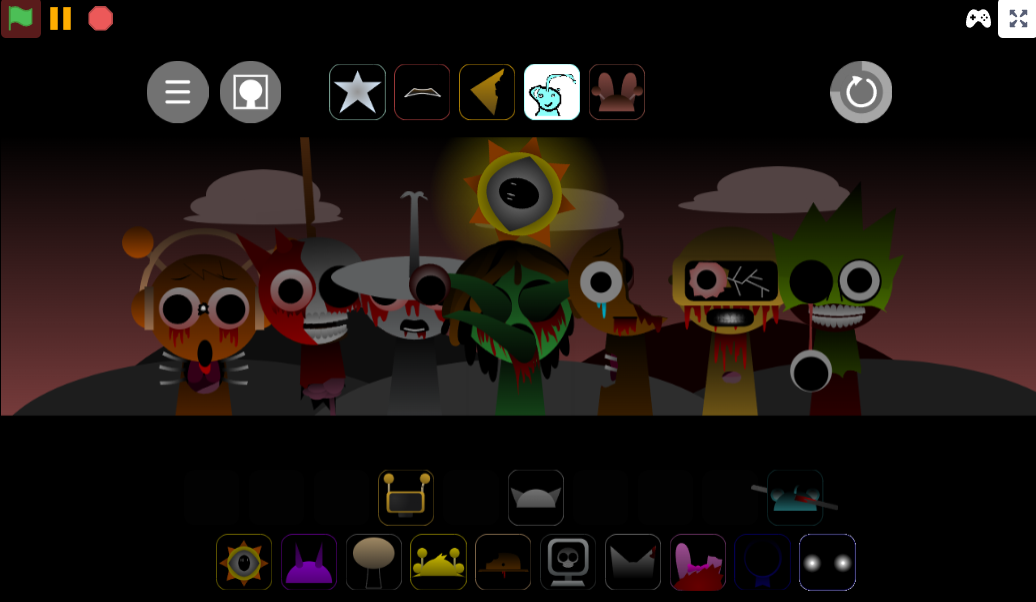
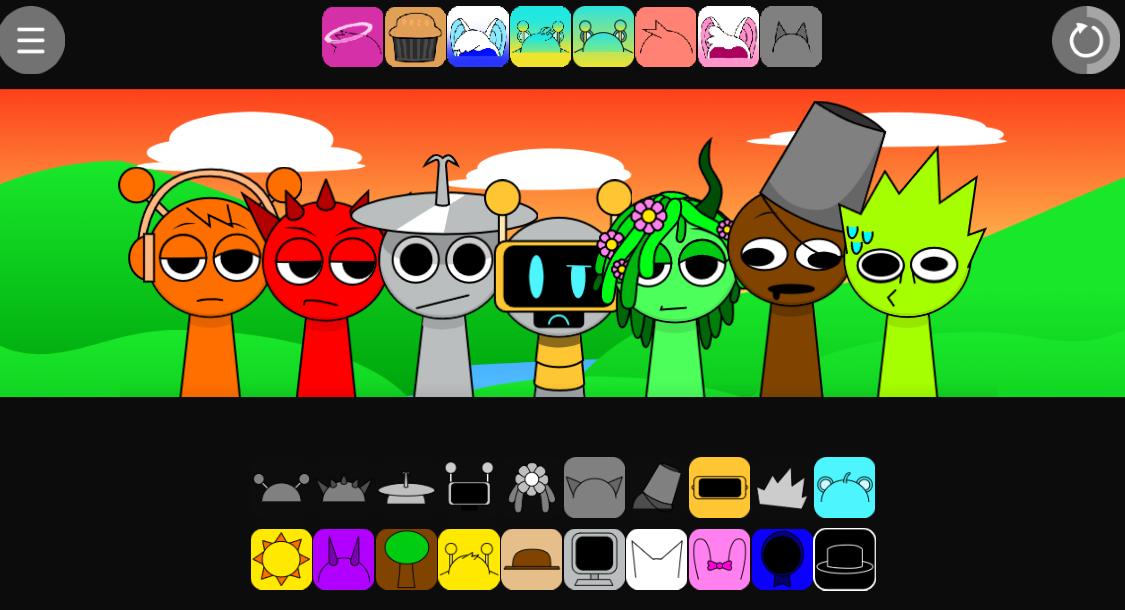
Sprunki Phase 4 But Better (Greeny’s Take) refines character statuses, clarifies gameplay roles, and adds emotional weight through injured, infected, and dead character states that directly impact your rhythm sequences.
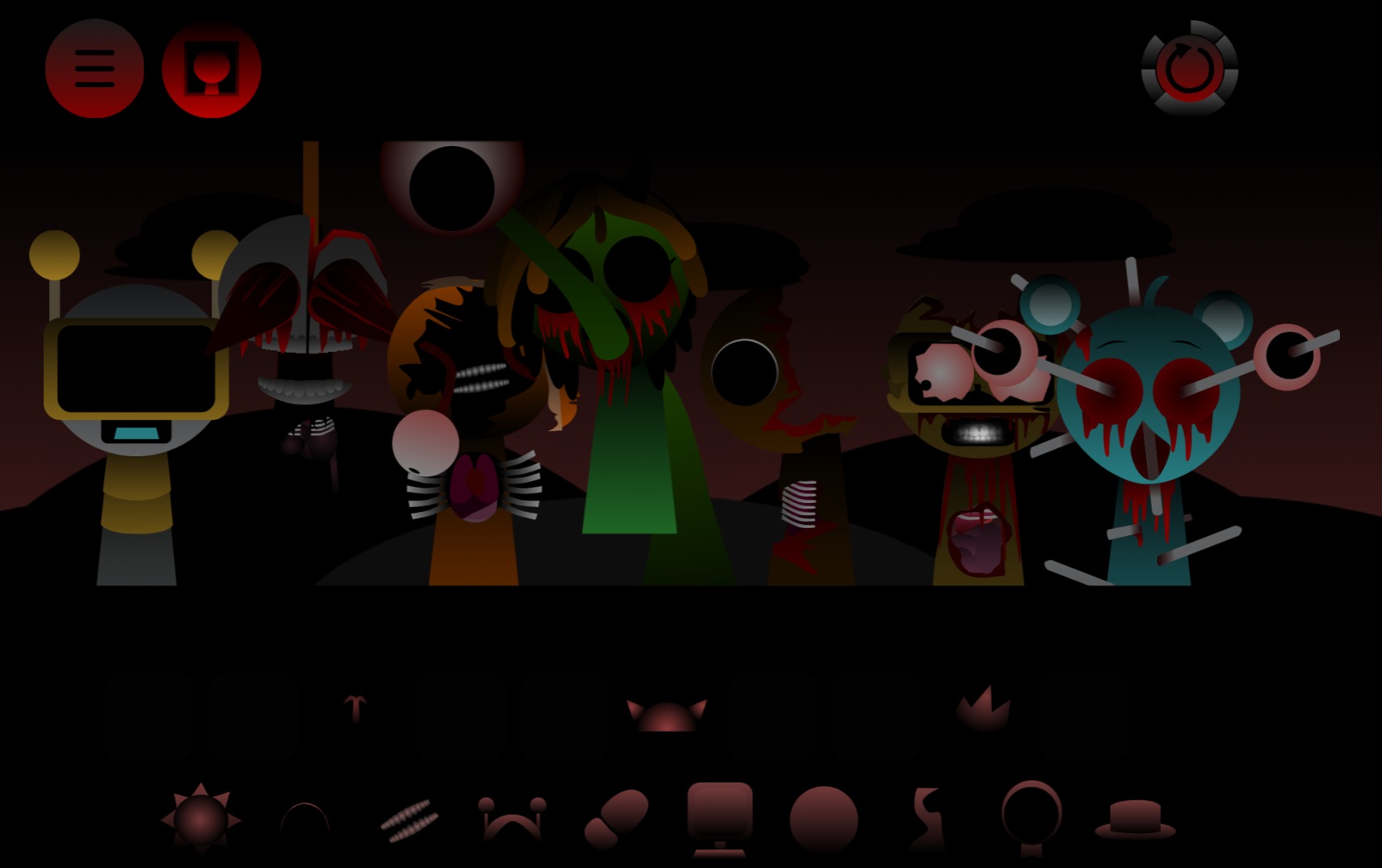
Greeny’s revision transforms how you interact with the Phase 4 roster. Instead of simply dropping beats, you’re managing a cast where survival status matters. Gray and Black arrive injured and infected, while characters like Mr. Tree and Wenda carry their own conditions that shift the tone of every track you build. This isn’t just cosmetic—these states influence how you approach each performance.
What makes this version stand out:
- Character-driven gameplay - Each of the 20+ characters (Beats, Effects, Melodies, Vocals) brings distinct status conditions
- Emotional storytelling - Injured, infected, and dead states create narrative tension within rhythm mechanics
- Strategic depth - Balancing Oren, Raddy, Clukr, Fun Bot, and Vineria requires understanding their roles and conditions
- Refined roster clarity - @simonphase1’s take makes character states more transparent than the original Phase 4
If you’re tired of rhythm games that feel shallow, this mod delivers substance. The combination of tactical sequencing and status-based storytelling creates something genuinely different.
What Is Sprunki Phase 4 But Better (Greeny’s Take)?
At its core, this is rhythm warfare with consequences. You’re not just matching beats—you’re managing a crisis. The mod takes Phase 4’s character roster and asks: what if their conditions actually mattered? What if Gray being injured changed how you used him? What if Black’s infection status created risk every time you activated his track?
The answer is a game that feels more alive than its predecessor. Sprunki Phase 4 But Better Greenys Take doesn’t reinvent the wheel, but it makes that wheel roll smoother while adding spikes for extra challenge. The character-driven approach means you’re always thinking about your roster composition, not just your timing. It’s a subtle shift that creates major gameplay differences.
You’ll spend time learning each character’s quirks. How does Jevin’s vocal track behave when he’s marked unstable? Can you rely on Mr. Tree’s melody when he’s showing infected status? These questions don’t have simple answers, which keeps the game interesting across multiple sessions. There’s always another combination to try, another strategy to test against the mod’s unpredictable character conditions.
How to Play Sprunki Phase 4 But Better Greenys Take
Don’t jump straight into complex sequences. Spend time with each character, learning how their status affects performance. Gray and Black make good starting points—their conditions are clear, and their roles are straightforward.
Step-by-step approach:
- Study character statuses before building sequences
- Start with stable Beats like Oren or Raddy
- Layer in Effects carefully, watching for conflicts
- Add Melodies that complement your Beat choices
- Finish with Vocals to complete the track
- Adjust based on performance and character behavior
Your strategy should flex based on available characters. If most of your roster is injured or infected, you’ll need to play more conservatively. When you’ve got stable characters available, you can push harder and try riskier combinations. The game rewards adaptation over rigid planning.
Timing matters more here than in standard Phase 4. Character conditions can throw off your rhythm if you’re not paying attention. Watch for visual cues that signal when a character’s status is affecting their performance. Those split-second adjustments separate good runs from great ones. Practice helps, but so does understanding the underlying mechanics that drive each character’s behavior.
Features of Sprunki Phase 4 But Better Greenys Take
Enhanced character depth stands out immediately. Every member of the roster has a story told through their status markers. You’re not just selecting sounds—you’re choosing survivors with histories. This narrative layer adds weight to gameplay decisions that would feel arbitrary in other rhythm games.
Key gameplay features:
- Dynamic status system affecting character reliability
- Strategic roster management requiring careful planning
- Thematic integration between story and mechanics
- Refined visual indicators for character conditions
- Balanced difficulty curve for various skill levels
- Replayability through multiple character combinations
The Effects and Melodies system gets special attention. These aren’t just background elements—they’re core to how you build successful sequences. Each Effect character brings unique implications based on their condition. Melodies shift the emotional tone while adding mechanical complexity. Together, they create a rich tapestry of sound and strategy.
Sprunki Phase 4 But Better Greenys Take shines in how it balances accessibility with depth. New players can grasp the basics quickly: match beats, layer sounds, create music. But mastering the character condition system takes time and experimentation. That learning curve keeps you engaged without feeling punishing. You’re always making progress, always discovering new interactions between characters and their statuses.
Similar Games
Final Words
Sprunki Phase 4 But Better (Greeny’s Take) succeeds where most rhythm mods stumble—it makes status matter. This isn’t window dressing slapped onto familiar mechanics. When Gray limps in injured or Black carries infection markers, your entire sequencing strategy shifts. You’re conducting wounded musicians through a crisis, balancing reliable performers against risky wildcards whose conditions create genuine tension.
The mod’s genius lies in restraint. @simonphase1 didn’t rebuild Phase 4 from scratch—he refined what worked and added emotional weight through survival states. Each of the 20+ characters (Beats, Effects, Melodies, Vocals) brings distinct baggage that influences track construction. Oren and Raddy anchor your rhythm foundation, but their effectiveness depends on roster health. Wenda’s vocals hit differently when her infected status threatens to derail your sequence.
Your choices ripple through performances because character conditions aren’t cosmetic—they’re mechanical. Strategic depth emerges naturally when you’re weighing stable options against high-risk, high-reward infected performers. The game respects your intelligence, letting status markers tell stories without cutscenes or exposition dumps.
Greeny’s version won’t please purists seeking simple beat-matching, but for players craving substance behind the sequences, this delivers. Character-driven gameplay meets tactical decision-making, wrapped in accessible mechanics that reward experimentation.