
Fun Clicker By Voidder - The Innocent Browser Game That Transforms Into Your Worst Nightmare
Fun Clicker By Voidder isn’t your typical idle clicking game—it’s a masterfully disguised psychological horror trap that transforms your innocent taps into a descent into digital madness. What starts as a cheerful green circle begging for clicks slowly morphs into a rage-fueled nightmare, with each tap pushing the character through 10 increasingly disturbing stages that punish your persistence. Created by Voidder and hosted on Scratch, this deceptively simple browser game weaponizes boredom and bright aesthetics to lower your defenses before revealing its true sinister nature, making you complicit in torturing an entity that grows angrier with every click until you reach the horrifying 50,000-click climax that countless reaction videos have immortalized across the internet.
New Games
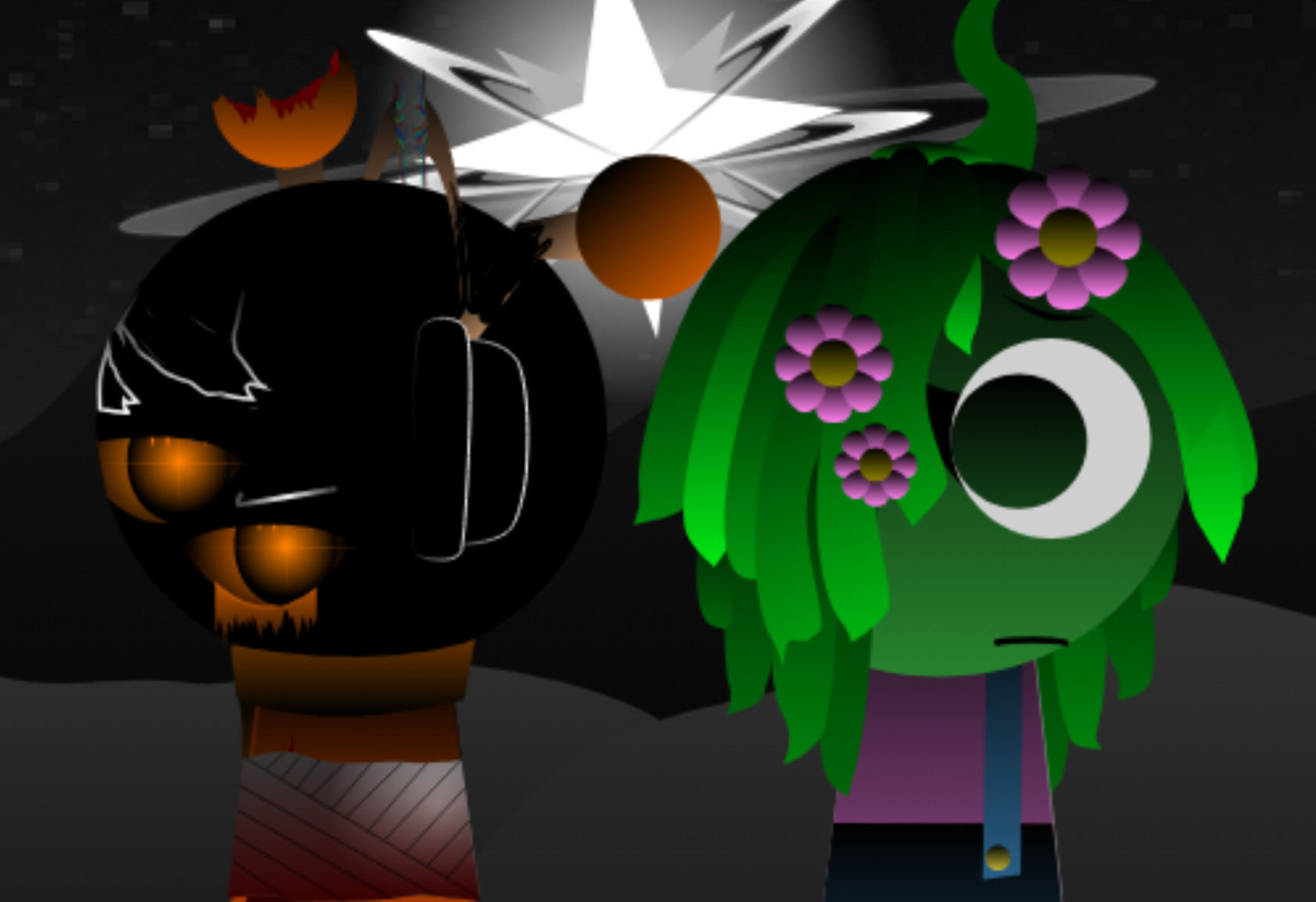
Fun Clicker by Voidder has become a viral sensation precisely because it weaponizes your expectations against you. That cheerful green circle? It’s not grateful for your clicks. It’s getting angrier with every tap, slowly revealing a nightmare hidden beneath its friendly exterior.
Since its release, Fun Clicker by Voidder has attracted thousands of unsuspecting players who thought they were in for a relaxing idle game experience. Instead, they discovered a psychological horror experiment disguised as browser entertainment. The game’s genius lies in its patience—it waits until you’re fully invested before pulling back the curtain on its true nature.
What makes Fun Clicker by Voidder stand out:
- Deceptive simplicity - Uses basic Scratch aesthetics to appear harmless and amateur
- Progressive horror - The character evolves through 10 increasingly disturbing stages as you click
- Psychological manipulation - The tedious gameplay is intentional, lowering your guard before the scare
- Viral impact - Voidder’s YouTube documentation has spawned countless reaction videos and playthroughs
- Accessible terror - Free to play on Scratch, requiring no downloads or special equipment
About Fun Clicker
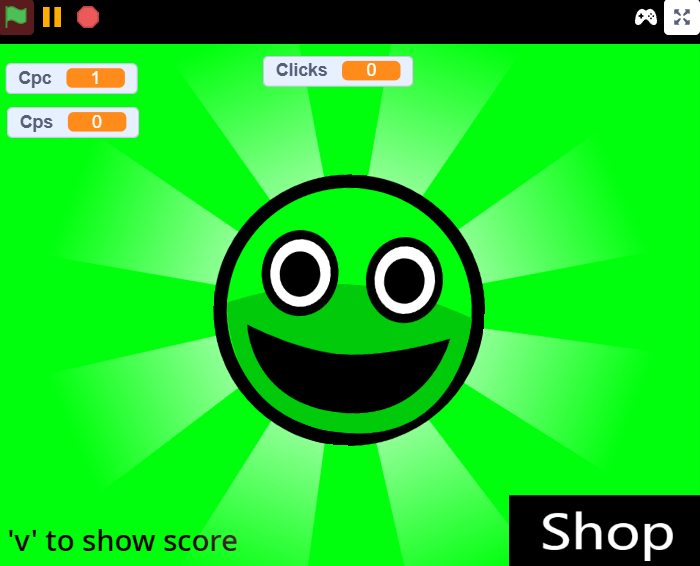
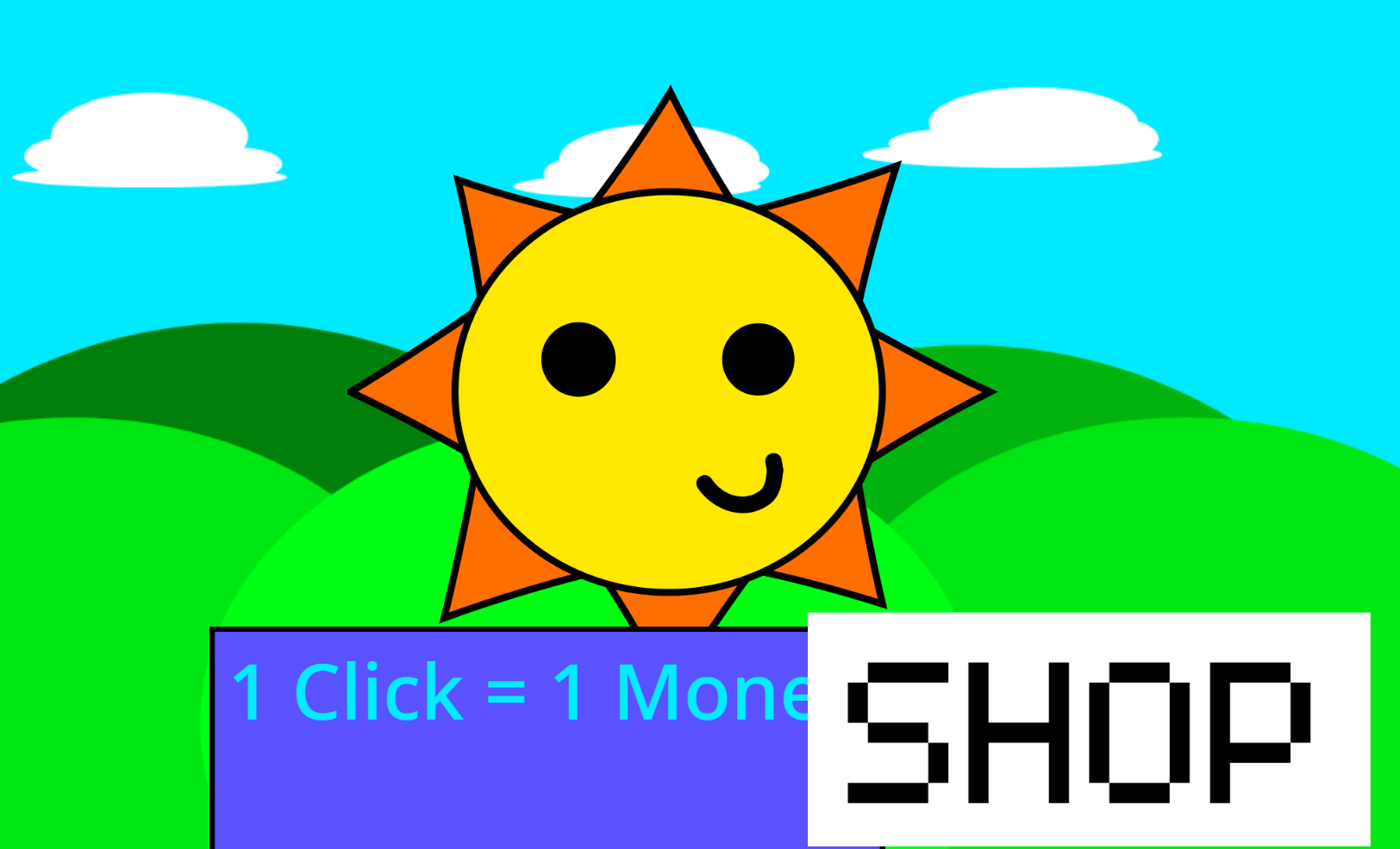
Fun Clicker by Voidder looks like any basic browser game at first. You see bright colors and a happy green circle staring back at you. The setup feels simple—just click and watch numbers climb. But here’s the twist: this isn’t about high scores or mindless fun. You’re actually poking something that should stay asleep. The cheerful face hides a monster waiting to break free.
What makes this game brilliant is how it uses boredom as a weapon. The clicking feels tedious on purpose, making you zone out. That’s when the horror sneaks in. The character’s smile starts to crack, revealing anger beneath the surface. This psychological horror approach turns a simple clicker into something that sticks with you long after closing the browser.
Fun Clicker by Voidder belongs to a special category of games that lie to your face. They pretend to be harmless while hiding darkness in plain sight. The Scratch platform makes it even more effective—nobody expects genuine scares from a site known for student projects. That contrast between innocent design and sinister content creates an experience you won’t forget.
Players who dig deeper find that every click feeds the entity’s rage. You’re not earning points; you’re torturing something that will eventually snap. The game doesn’t warn you about this shift. It just happens, slowly and surely, until you realize you’ve gone too far.
How to Play Fun Clicker by Voidder
Getting Started
First, head to the Scratch website and search for “Fun Clicker” in the search bar. You’ll find it among other projects. Click the green flag to start.
The title screen greets you with that deceptively cheerful design. Hit the big “Play” button to enter the main game area. You’ll see the green smiling face centered on your screen.
Basic Controls and Progression
- Clicking: Use your mouse to click the character’s face repeatedly
- Shop Access: Find the menu on the side to view upgrades
- Currency Management: Watch your Click count in the corner
- Upgrade Purchases: Click shop items when you have enough Clicks
Start by clicking manually to build your initial currency. Once you hit 25 Clicks, buy your first “+1 Click” upgrade. This makes each click worth more. Keep clicking and buying upgrades as they become affordable.
Advancing Through Stages
Pay attention to the character’s appearance as you play. Each visual change marks your progress toward the horror elements. Don’t panic when the face starts looking angry—that’s the point. The game wants you to keep going despite the warnings.
Features of Fun Clicker by Voidder
Deceptive Design Philosophy
Fun Clicker by Voidder excels at hiding its true nature. The bright colors and simple shapes look harmless. The Scratch aesthetic makes it seem like a beginner’s project. This camouflage is intentional and effective.
Progressive Visual Horror
The 10-stage transformation system stands out as the game’s best feature. Each stage shows clear visual progression from happy to horrified to horrifying. You watch the entity’s mental state deteriorate in real time.
Psychological Manipulation
The game makes you complicit in the horror. You’re not a passive observer—you’re the cause. Every click is an active choice to continue hurting the character. This guilt adds weight to the experience.
Audio Design
The music stays upbeat even as visuals darken. This disconnect creates cognitive dissonance. Your ears hear happy sounds while your eyes see nightmare fuel. The contrast amplifies both elements.
Community Integration
Voidder shares creation videos on YouTube, pulling back the curtain on design choices. This transparency builds community engagement. Players hunt for hidden details and discuss theories about the “Void” lore.
Tips and Strategy
Prioritize Automation Early
Don’t waste time clicking manually once you can afford “Slave” upgrades. Buy them as soon as possible. They generate Clicks while you do nothing, speeding up your path to the ending.
Manage Your Currency Wisely
Stop buying click power upgrades once you have steady passive income. Save everything for that final 50,000 Click purchase. Overspending on small boosts delays the ending.
Audio Strategy
Mute the repetitive music during the grind if it annoys you. But turn sound back on when approaching 50,000 Clicks. You need audio for the full jump scare impact.
Visual Cues Matter
Watch the character’s eyes closely. They change before the full stage transformation happens. These subtle shifts warn you when the next phase is coming.
Time Investment
Plan for 10-15 minutes of active play. The game is designed to reach the ending in one sitting. Taking breaks might make you lose interest before experiencing the payoff.
Similar Games
Final Words
Fun Clicker by Voidder proves that horror doesn’t need elaborate graphics or complex mechanics—just patience and psychological precision. What begins as a monotonous clicking exercise transforms into an uncomfortable meditation on complicity. You’re not just playing a game; you’re actively torturing a digital entity that grows angrier with every tap. The genius lies in how the Scratch platform’s innocent reputation becomes camouflage for genuine terror.
The 10-stage transformation from cheerful green circle to void-dwelling monster serves as your guilt meter. Each visual deterioration reflects your choice to continue despite clear warnings. The “Slave” upgrades force you to automate the suffering, removing even the excuse of manual effort. By the time you reach that 50,000-click ending, you’ve earned every second of that jump scare.
Voidder’s creation stands as a masterclass in subverting expectations. The deceptive simplicity, the jarring contrast between upbeat music and horrifying visuals, and the meta-commentary on player agency all combine to create something memorable.
This isn’t just another browser game—it’s a psychological experiment that asks how far you’ll go when a smiling face starts screaming.