
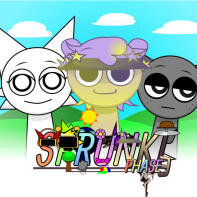

Sprunkalicious 1996 Port - The Cursed Music Mixer That Should Have Stayed Buried
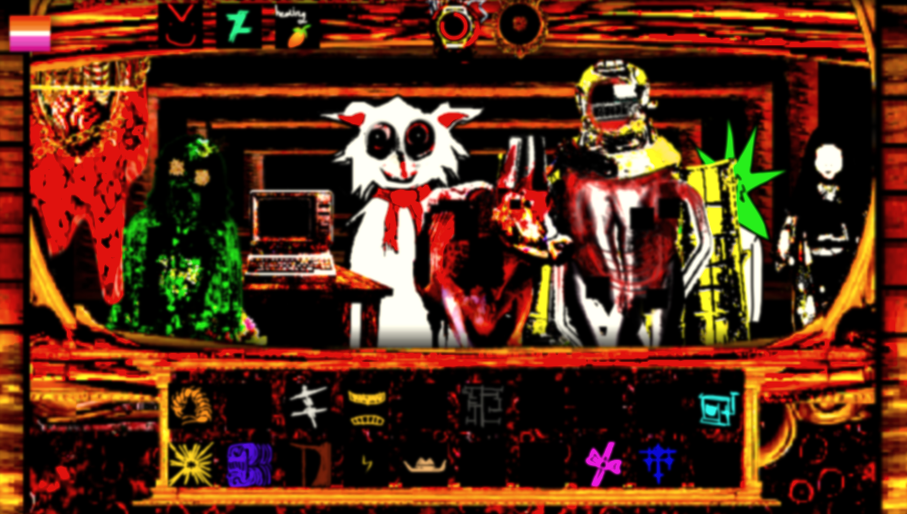
Sprunkalicious 1996 Port drags you into a digital nightmare disguised as forbidden software archaeology, transforming Incredibox’s cheerful music-mixing into a suffocating descent through corrupted 90s technology. This isn’t just another horror mod—it’s an elaborate piece of analog horror theater that commits completely to its premise of being a banned 1996 music program recovered from digital obscurity, complete with bit-crushed screams bleeding through VHS static, intentional performance glitches that feel like the software itself is dying, and a grotesque bunny mascot whose grafted head tells stories of digital entities that should have stayed deleted. Every CRT scanline, every Windows 95-style gray menu box, every frame rate stutter works together to create the visceral sensation of booting up cursed floppy disk software in a basement computer lab at 3 AM, where the line between playing a game and disturbing something genuinely malevolent becomes terrifyingly thin.
New Games
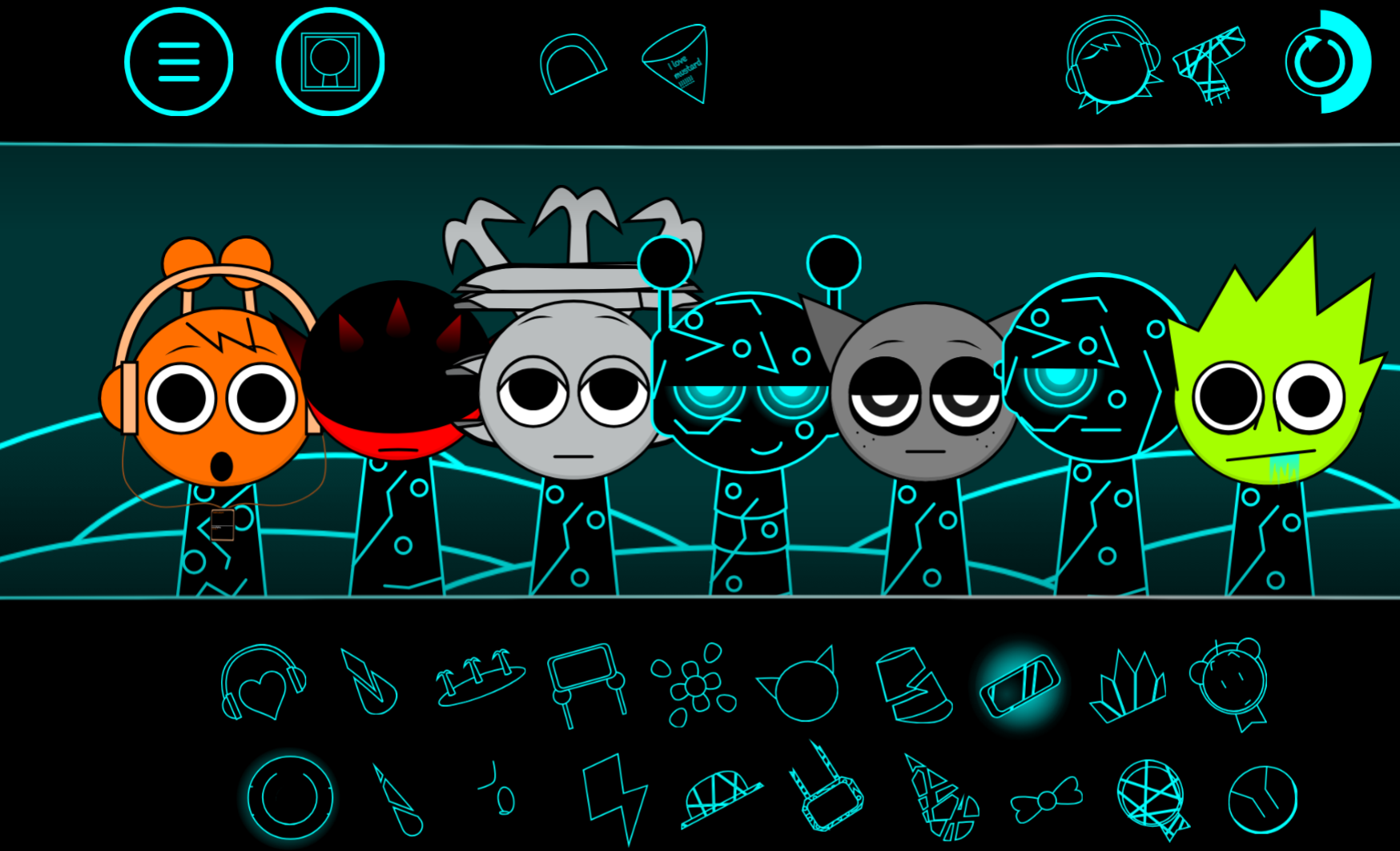
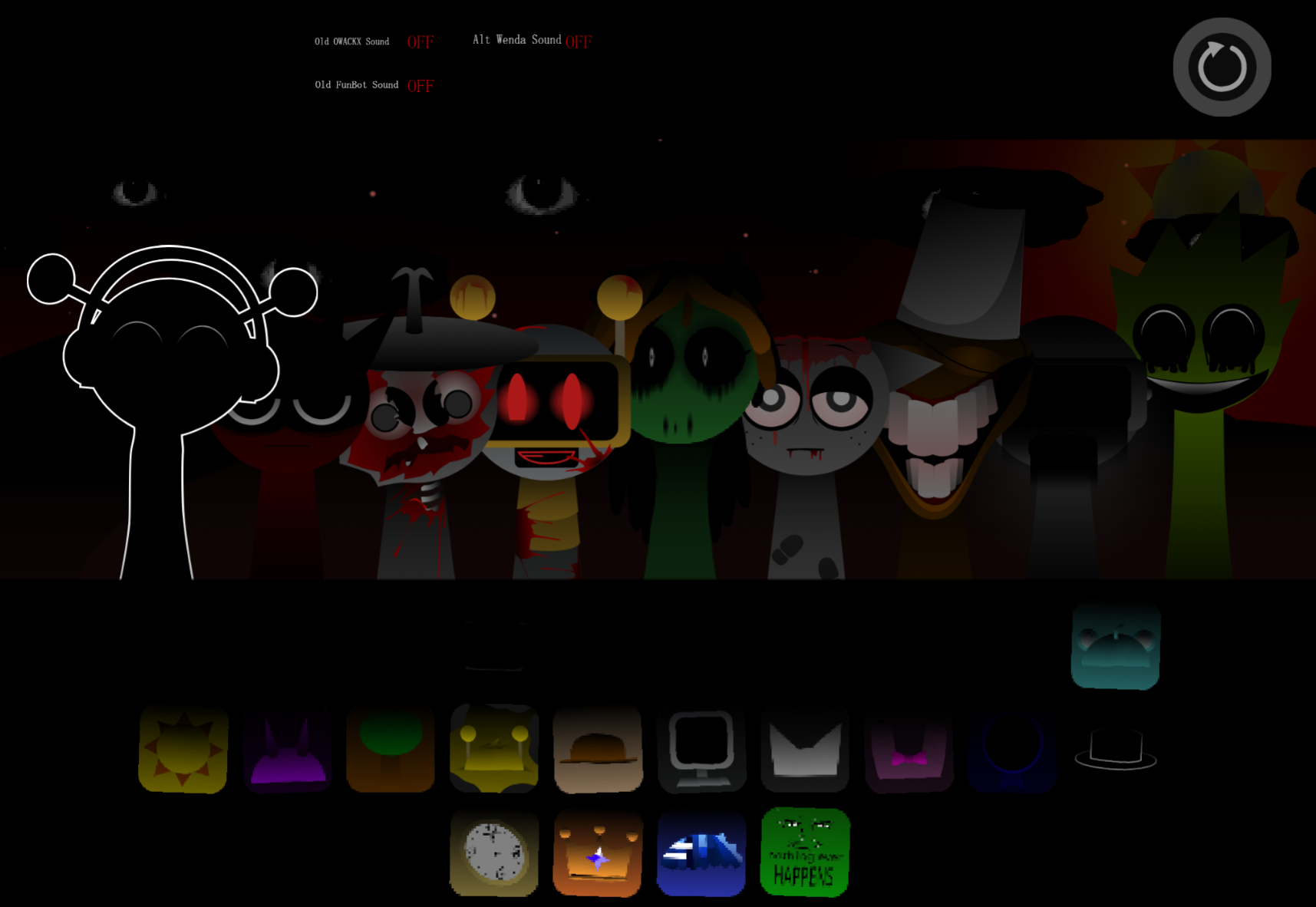
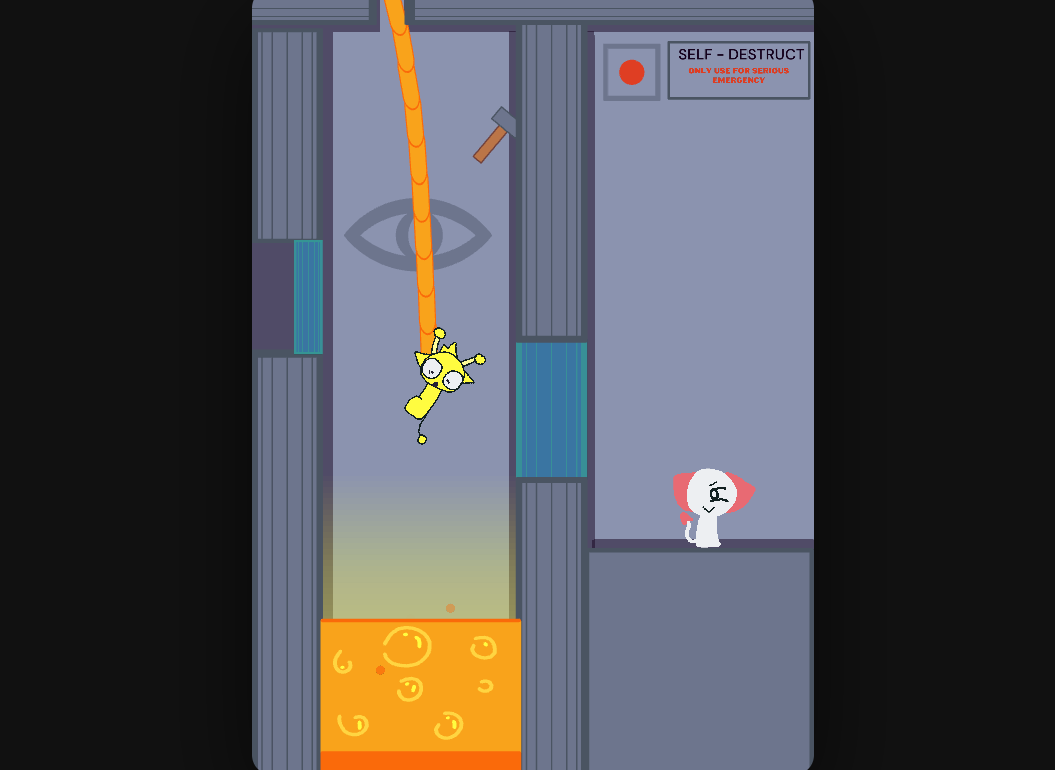
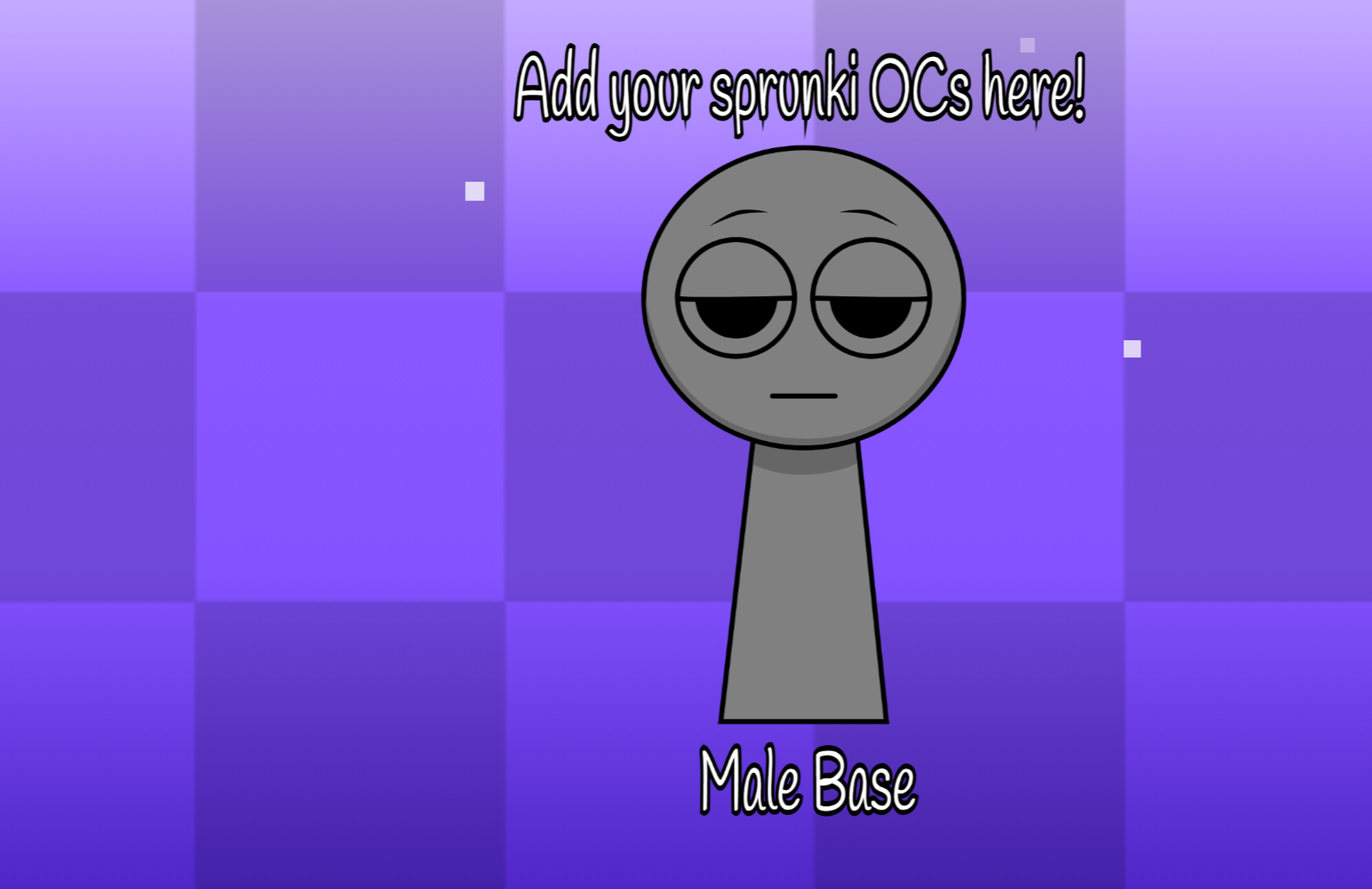
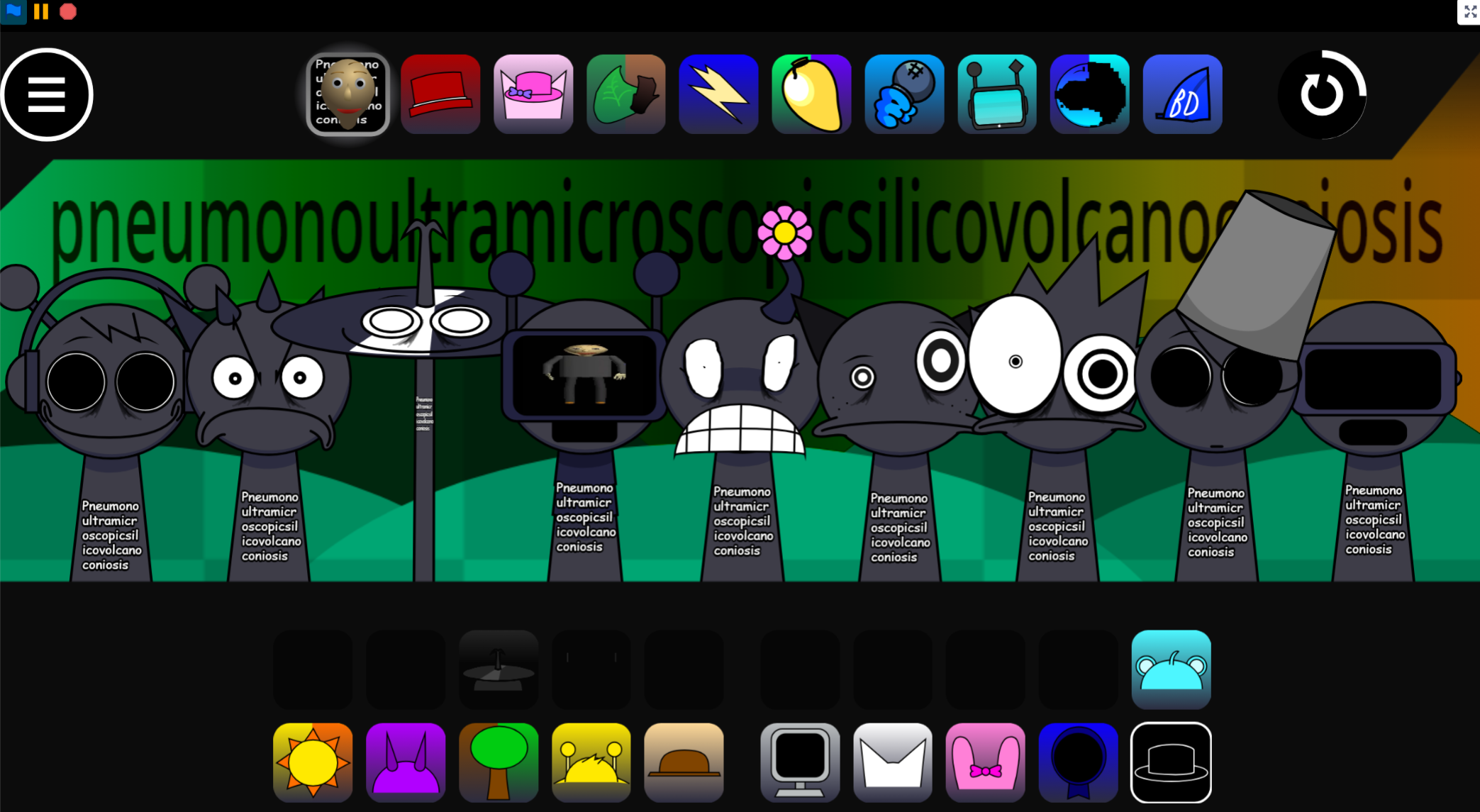
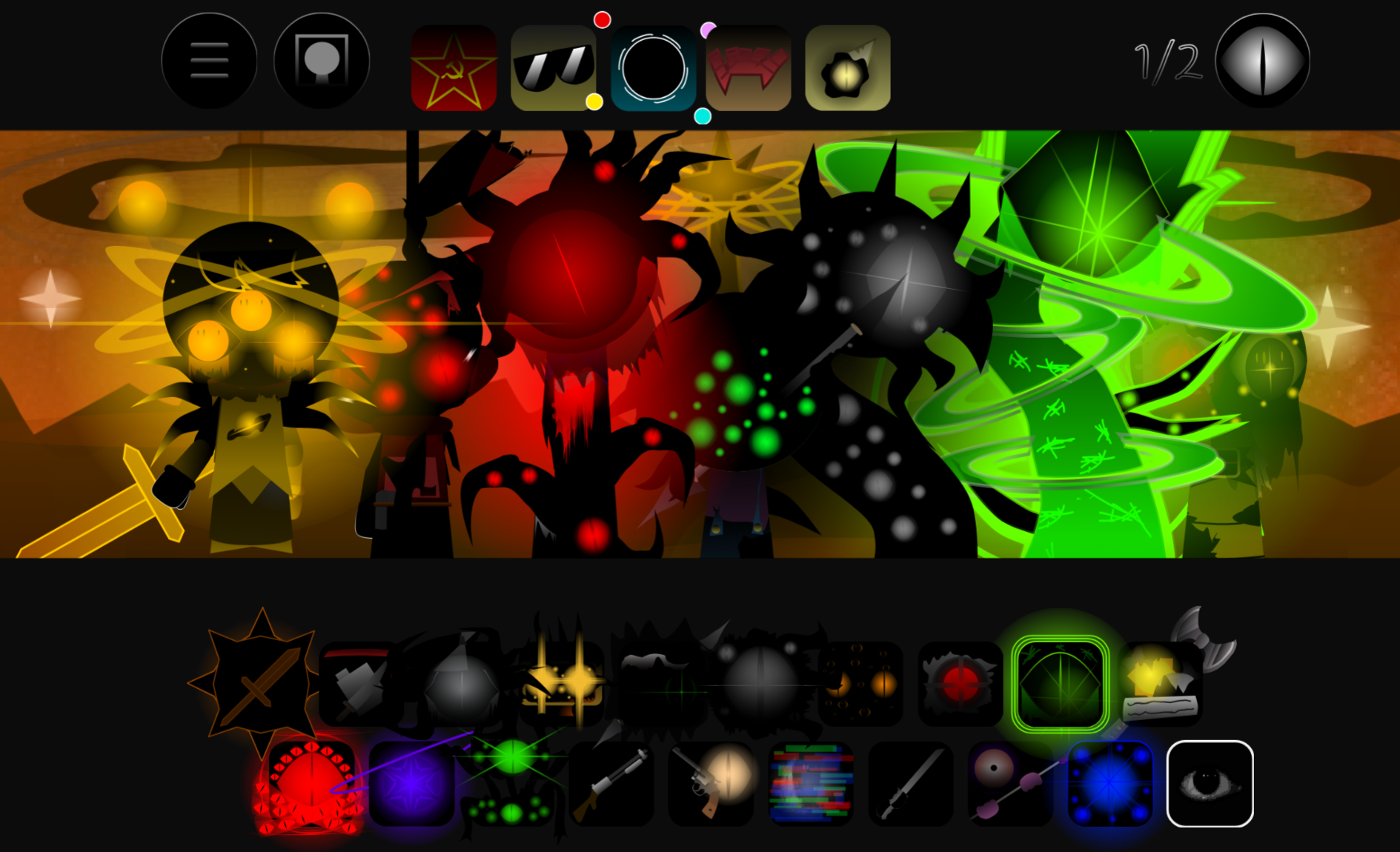
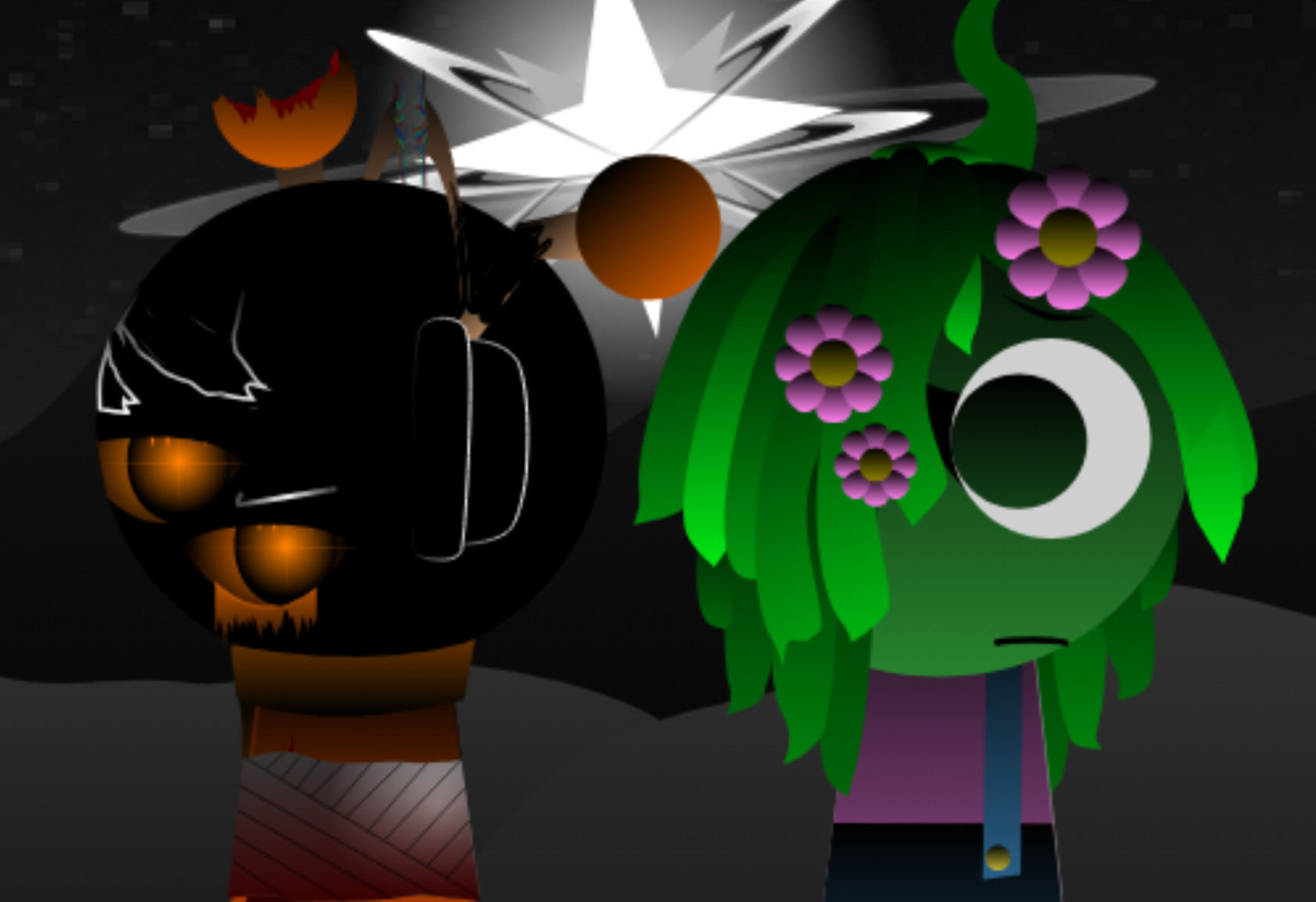
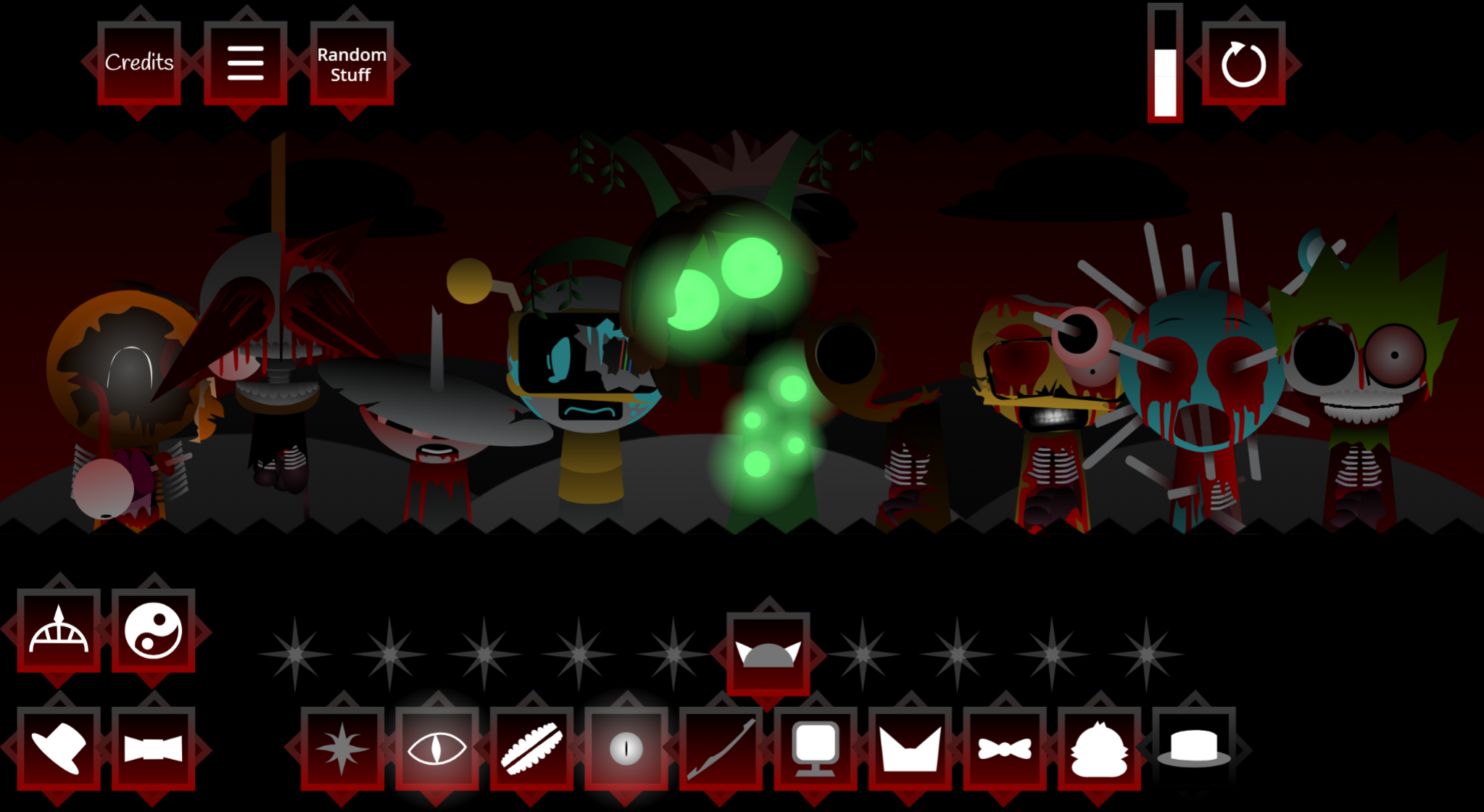
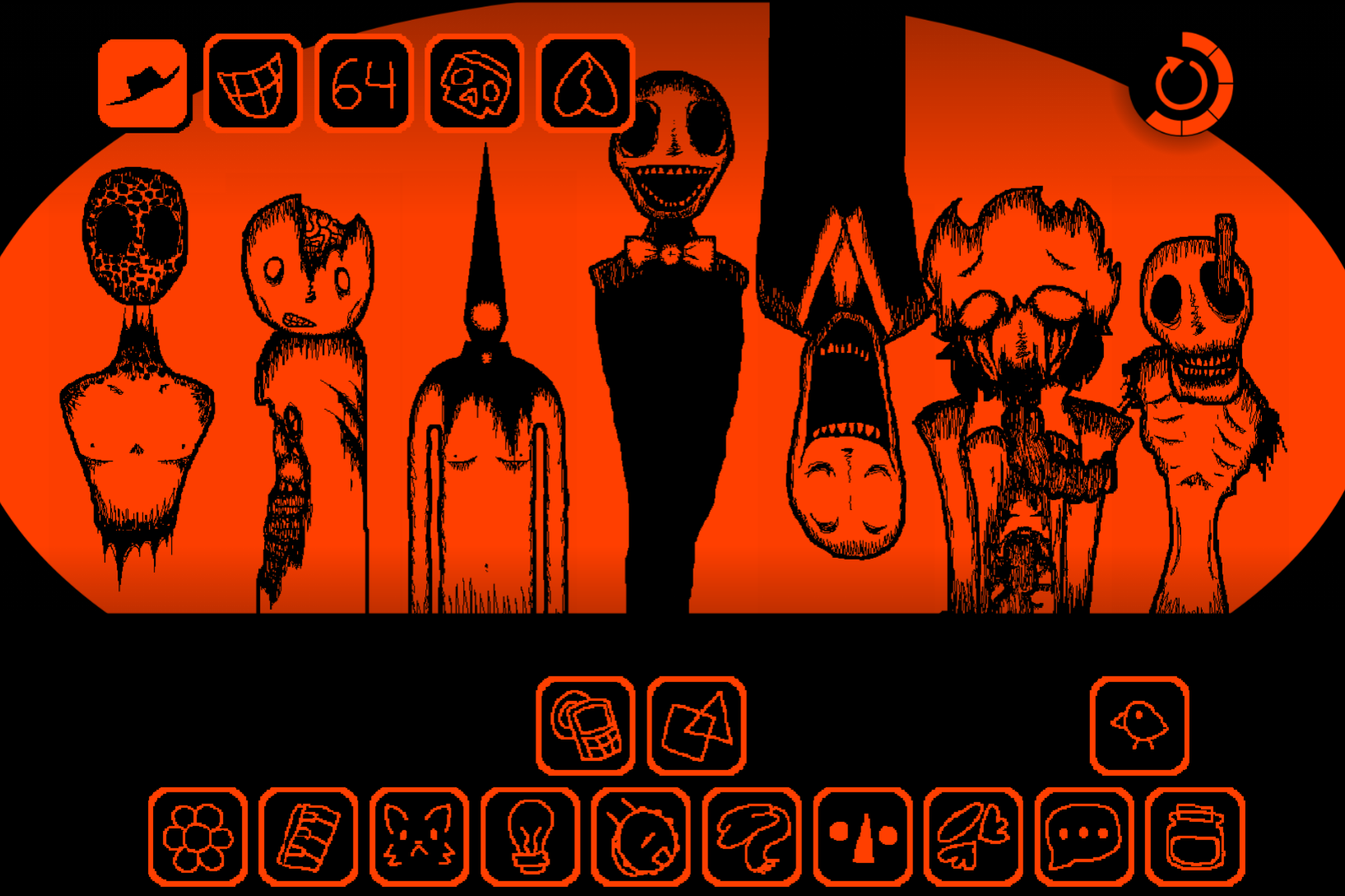
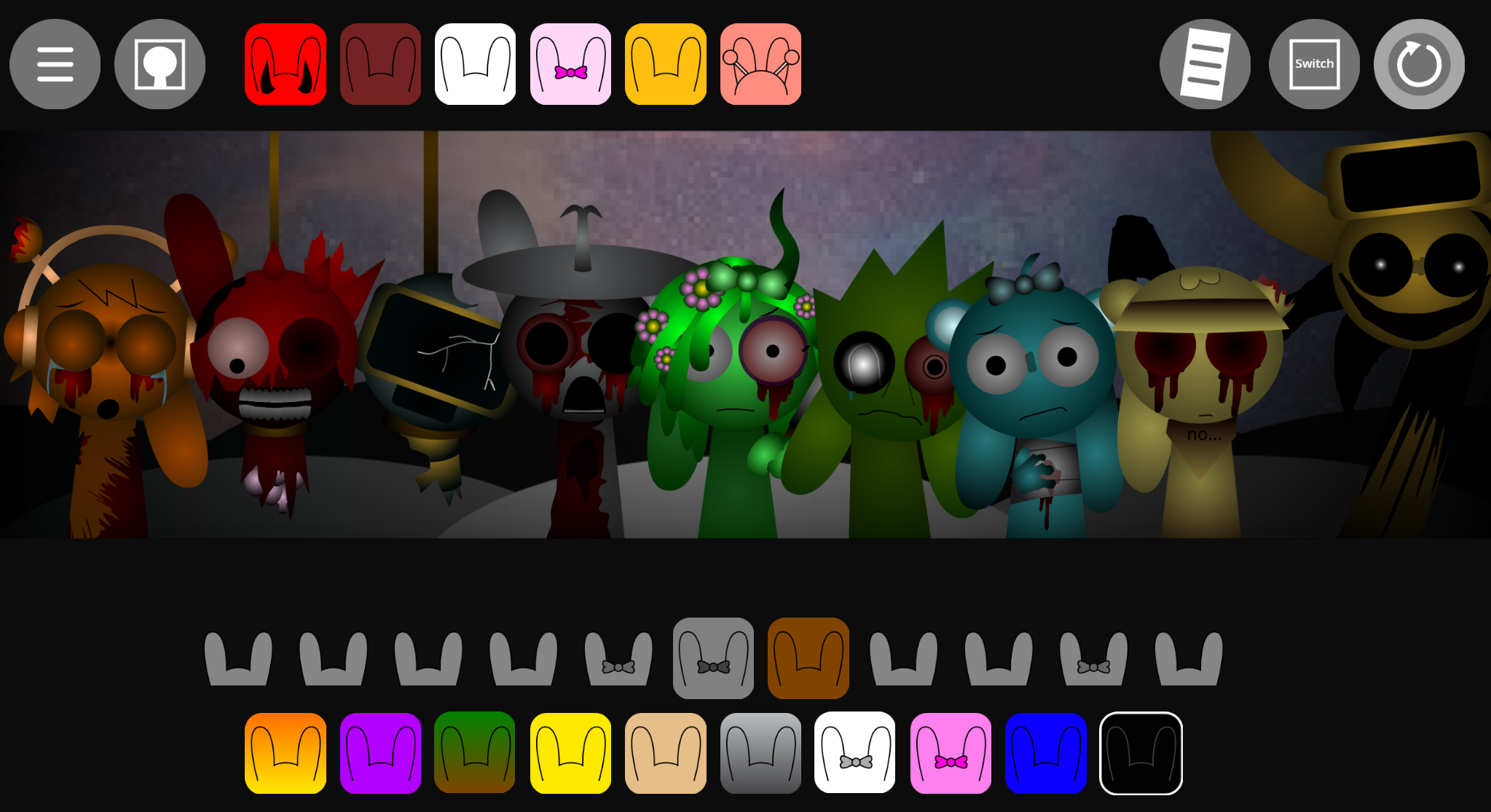
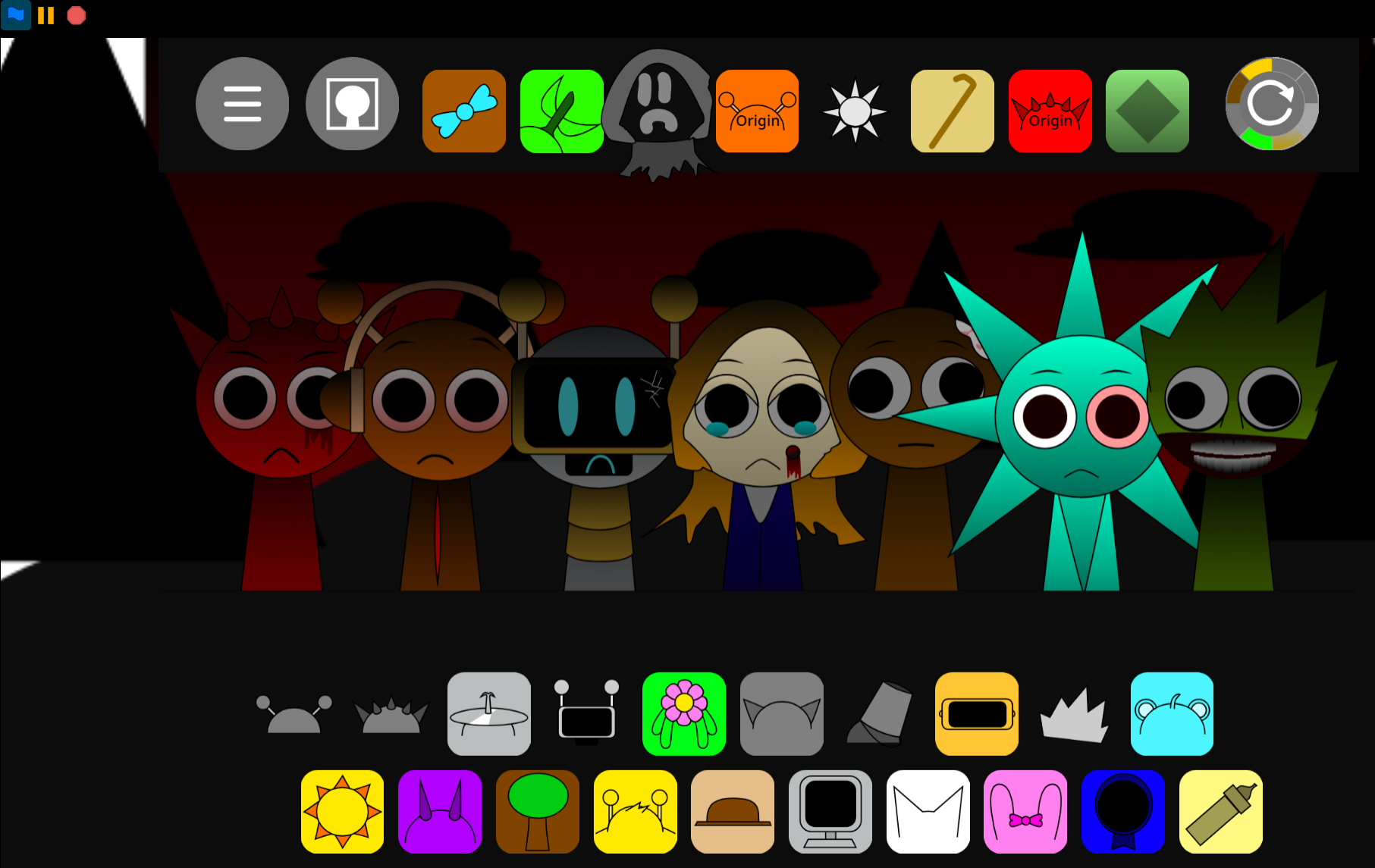
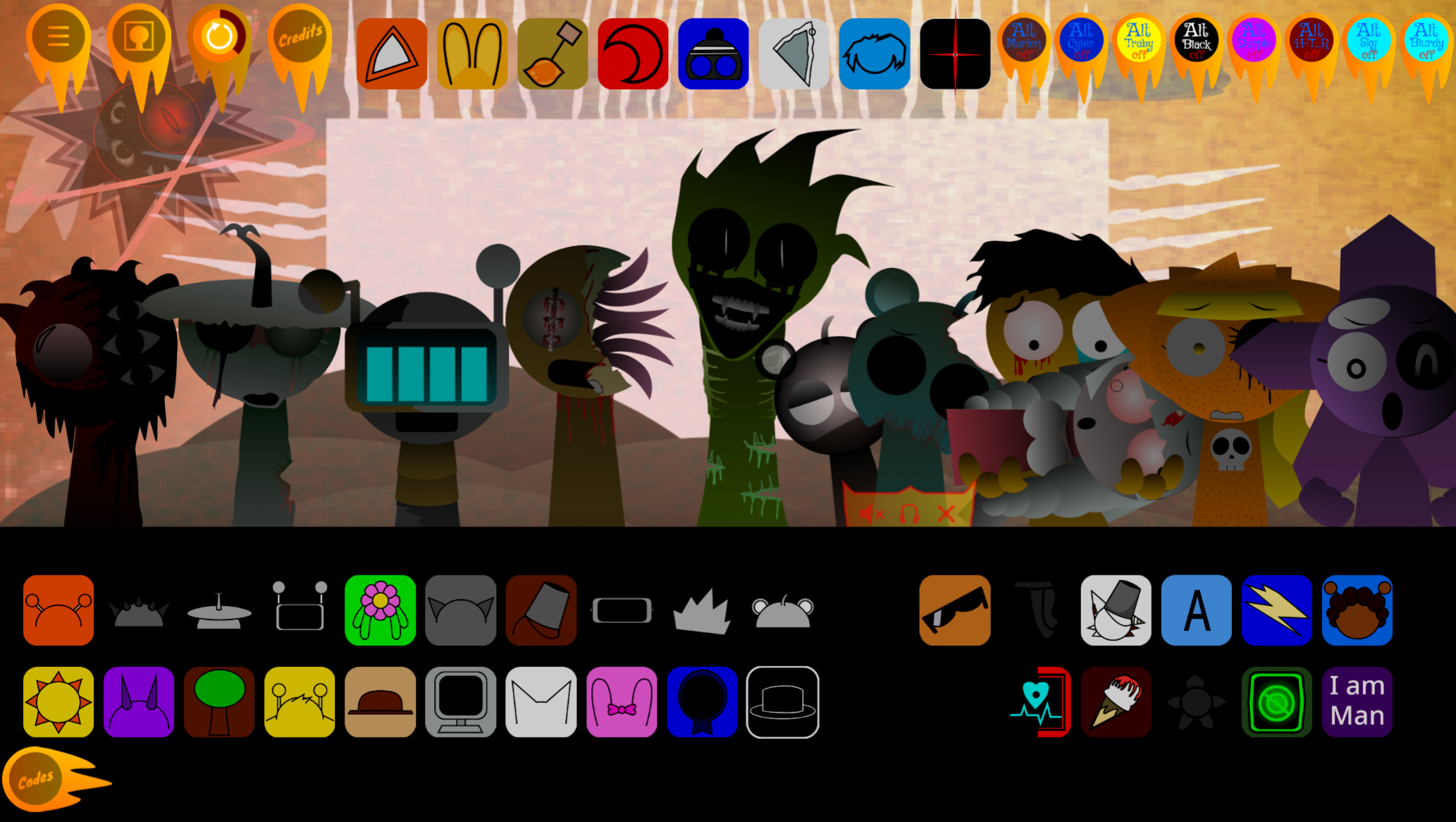
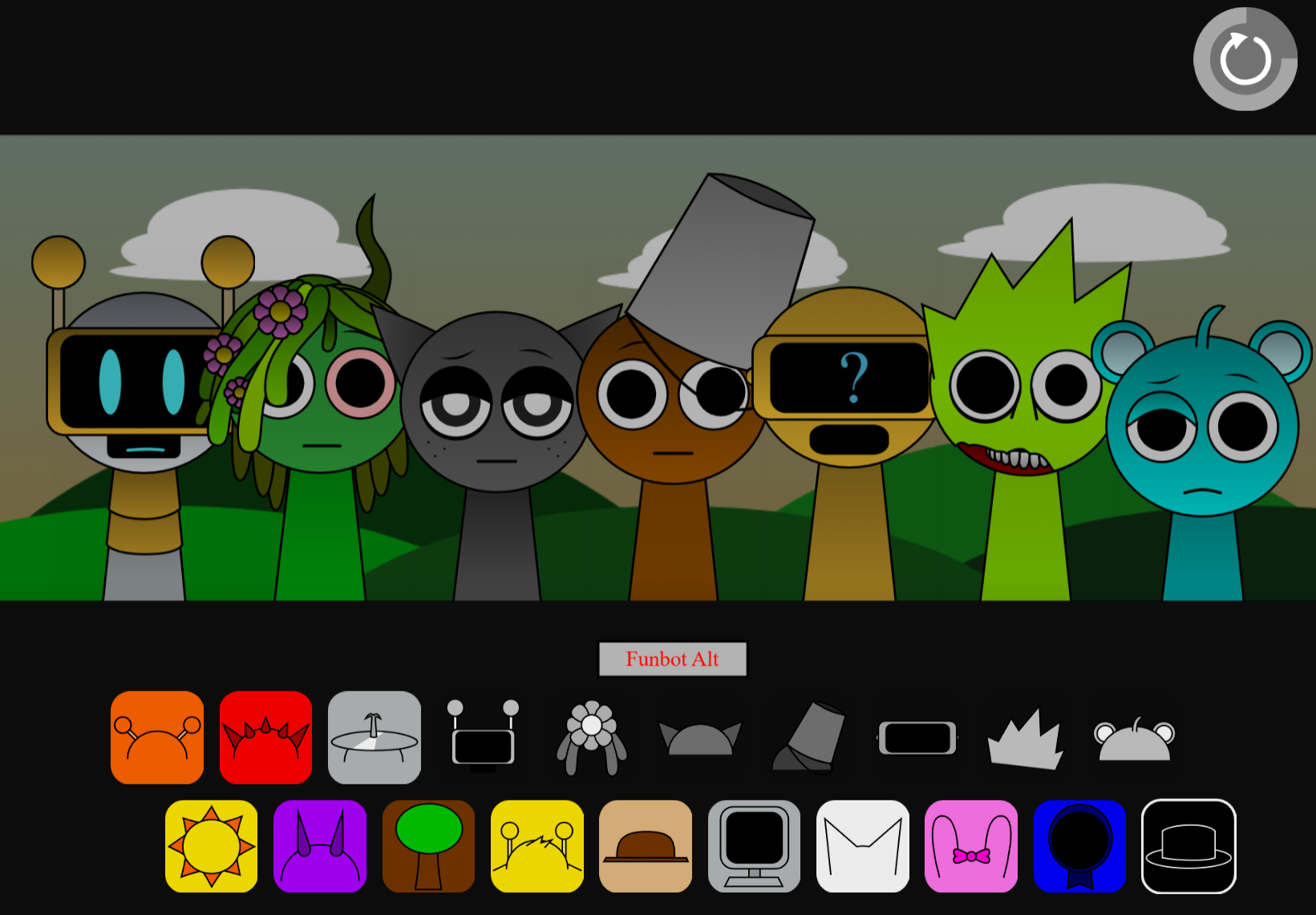

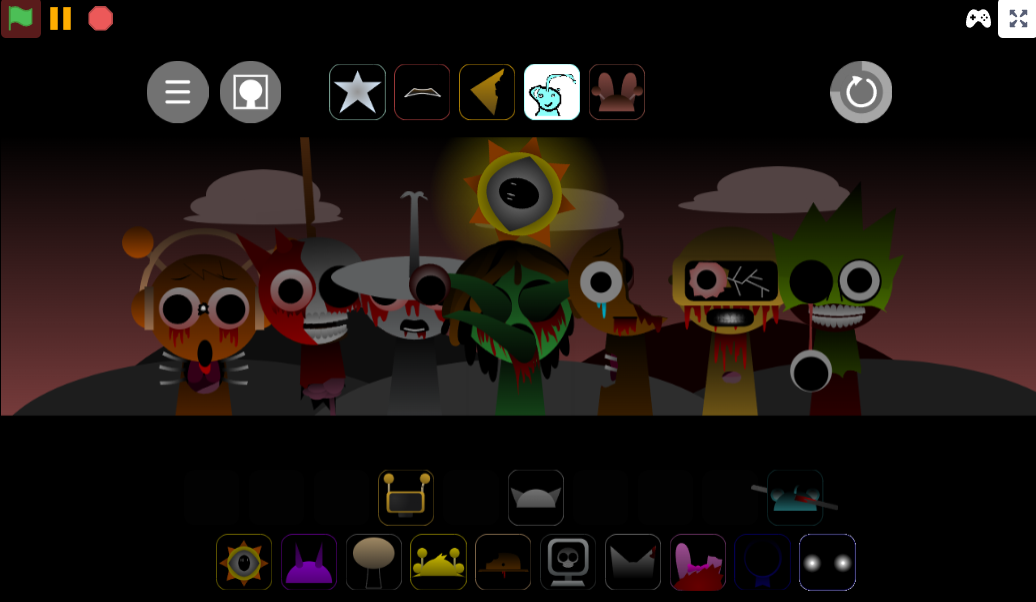
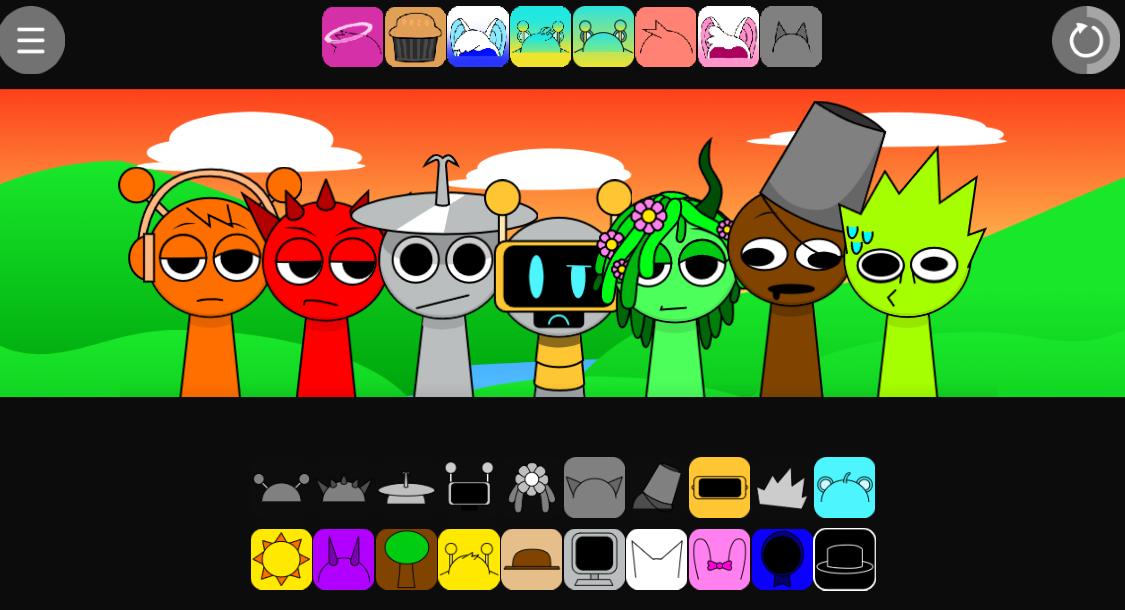
SPRUNKALICIOUS 1996 Port isn’t your typical horror mod. This isn’t another demon-possessed remix or jump-scare festival. Instead, this itch.io creation masquerades as a piece of lost media: a supposedly banned music mixer from 1996 that was pulled from distribution due to disturbing content and reports of software corruption. The genius lies in its commitment to the bit—every pixelated sprite, every bit-crushed scream, every CRT scanline feels like you’ve booted up a cursed Windows 95 program that’s been rotting on a floppy disk for nearly three decades.
What makes this port stand out is its refusal to modernize the horror. Instead of high-definition gore, you get low-poly characters melting through VHS static. Instead of orchestrated soundscapes, you hear warped cassette tape audio and emergency broadcast tones. The game doesn’t just tell you it’s from 1996—it feels like it crawled out of a basement computer lab that should have stayed sealed.
Key Takeaways:
- Authentic Retro Horror: Uses CRT filters, chromatic aberration, and intentional performance issues to simulate 90s software corruption
- Lore-Driven Experience: Presents itself as recovered “controversial software” with a meta-narrative about trapped digital entities
- Bun Bun Mystery: Features a disturbing mascot character that has sparked intense community theories about its origins
- Glitch Events: Random audio cutouts and visual distortions that feel less like bugs and more like the software fighting back
- Analog Horror Aesthetic: Perfect for fans of The Walten Files, Local 58, and found footage nightmares
About SPRUNKALICIOUS 1996 Port
SPRUNKALICIOUS 1996 Port markets itself as a piece of forbidden software history. The creator, SPRUNKALICIOUS on itch.io, built this mod to feel like a bootleg CD-ROM you’d find in a sketchy thrift store. The tagline? “A music mixer that was never meant to survive.” Unlike the colorful, bouncy world of standard Incredibox mods, this version drowns you in gray menus, choppy frame rates, and audio that sounds like it’s being played through a dying speaker.
The game’s horror doesn’t come from jump scares alone. It comes from atmosphere. Every click feels wrong. The UI looks like Windows 95 had a nightmare. Characters don’t animate smoothly—they jerk and stutter like broken puppets. The music loops are compressed so heavily that vocals sound muffled, as if the singers are trapped behind static walls. When you trigger the “Horror Mode,” things get worse. Blood appears where it shouldn’t. Eyes hollow out. The bunny mascot, Bun Bun, reveals wounds that suggest something terrible happened before you booted up the game.
How to Play SPRUNKALICIOUS 1996 Port
Step 1: Download and Boot
Head to the itch.io page and download the build. The file size is intentionally small, mimicking old software. When you launch it, expect a fake “loading” screen with a progress bar that moves erratically. This is part of the atmosphere—don’t close it.
Step 2: Navigate the Retro UI
The interface looks like Windows 95. Gray boxes, pixelated icons, and clunky buttons dominate the screen. Use your mouse to drag characters onto the mixing board. Unlike modern mods, there’s no smooth drag-and-drop—characters “snap” into place with a harsh click sound.
Step 3: Mix Your Beats (If You Dare)
Select characters to layer sounds. But here’s the twist: not all combinations are safe. Certain pairings trigger Glitch Events. The music might cut out, replaced by static or an emergency broadcast tone. Your screen could flash red. A distorted face might appear. Stay calm. Wait for the glitch to pass, or restart if it freezes.
Step 4: Survive Horror Mode
Once you’ve created a loop, the game may ask if you want to “enhance” your mix. Clicking “Yes” activates Horror Mode. Characters transform. Blood appears. Audio becomes nightmarish. Your goal shifts from making music to enduring the experience without closing the game. Some players report that quitting during Horror Mode corrupts save files—though this might be another layer of the ARG.
Pro Tip: Don’t trust the “Help” menu. Clicking it might not give instructions. Instead, you might get a message like: “You shouldn’t be here. Close the program.” This is the game breaking the fourth wall, adding to the meta-horror.
Features of SPRUNKALICIOUS 1996 Port
SPRUNKALICIOUS 1996 Port is packed with features designed to unsettle and immerse. Here’s what sets it apart:
- Authentic Retro Aesthetic: CRT scanlines, chromatic aberration, and 256-color palettes recreate the look of mid-90s software. The UI mimics Windows 95, complete with gray boxes and pixelated fonts.
- Bit-Crushed Audio: Music is heavily compressed, making beats sound crunchy and vocals muffled. This Lo-Fi horror approach makes sudden loud sounds (like screams or static bursts) far more jarring.
- Glitch Events: Random interruptions disrupt gameplay. The music stops. The screen glitches. A face flashes. These events test your nerves and force you to adapt quickly.
- Low-Poly Horror Characters: Familiar Sprunki faces are downgraded into disturbing, pixelated forms. Bun Bun’s grafted bunny head, Retro Oren’s stretching face, and Raddy’s static form all tell stories of digital decay.
- Meta-Narrative ARG Elements: Hidden files, fake lore documents, and fourth-wall-breaking messages blur the line between game and reality. The mod pretends to be a recovered artifact from a banned 1996 release.
- Performance Manipulation: The game intentionally lags and stutters to create dread. Frame rate drops signal incoming horror, training you to fear technical issues.
- Community Engagement: The mod’s lore has sparked theories, fan art, and YouTube deep dives. Players actively debate whether the game is “real” or what the hidden messages mean.
| Feature | Purpose |
|---|---|
| VHS Filters | Create analog horror atmosphere |
| Glitch Events | Disrupt player comfort and rhythm |
| Hidden Files | Encourage exploration and theory crafting |
| Fourth-Wall Breaks | Blur fiction and reality |
Similar Games
Final Words
SPRUNKALICIOUS 1996 Port proves that true horror doesn’t need photorealistic graphics or orchestrated jump scares—sometimes, all it takes is the suffocating weight of corrupted nostalgia. This isn’t just a mod; it’s a digital séance that resurrects the uncanny dread of booting up unknown software on a dying computer. Every pixelated scream, every intentional lag spike, every blood-stained mascot head serves a singular purpose: making you question whether you’re playing a game or disturbing something that should’ve stayed buried.
What sets this experience apart is its refusal to wink at the audience. There’s no safety net, no acknowledgment that “it’s just a game.” The meta-narrative—complete with fabricated lore, hidden files, and fourth-wall violations—blurs reality until younger players genuinely ask if this cursed software existed.
Bun Bun’s hollow eyes will haunt you. The static will follow you offline. And that’s exactly the point.