









Sprunki Pink Eye Treatment Ucs Take - The Bio-Digital Horror Mod That Turns Infection Into Your Best Beat
Sprunki Pink Eye Treatment Ucs Take transforms innocent music-making into a chilling descent through bio-digital horror, where every beat you drop spreads a corrupting infection that warps both sound and sight. This isn’t your typical rhythm game mod—it’s a quarantine zone where beloved characters weep pink fluid, their vocals glitch into static screams, and your drag-and-drop mixing becomes the soundtrack to their grotesque transformation. What makes Sprunki Pink Eye Treatment Ucs Take genuinely unsettling is how it forces you to create catchy, head-nodding tracks while surrounded by pulsing eyes, bandaged faces, and error-riddled screens, blending medical nightmare aesthetics with polished audio engineering that uses stereo panning to make the infection feel like it’s crawling inside your skull. UC’s genius lies in the contrast: you’re conducting a symphony of corruption where Oren’s swollen eye anchors aggressive beatbox rhythms, Wenda’s cries for help add tension, and Raddy’s corrupted bassline sounds like a failing heartbeat—all while you balance between Stable mode’s catchy horror beats and Critical mode’s overwhelming drone of pure infected chaos.
New Games

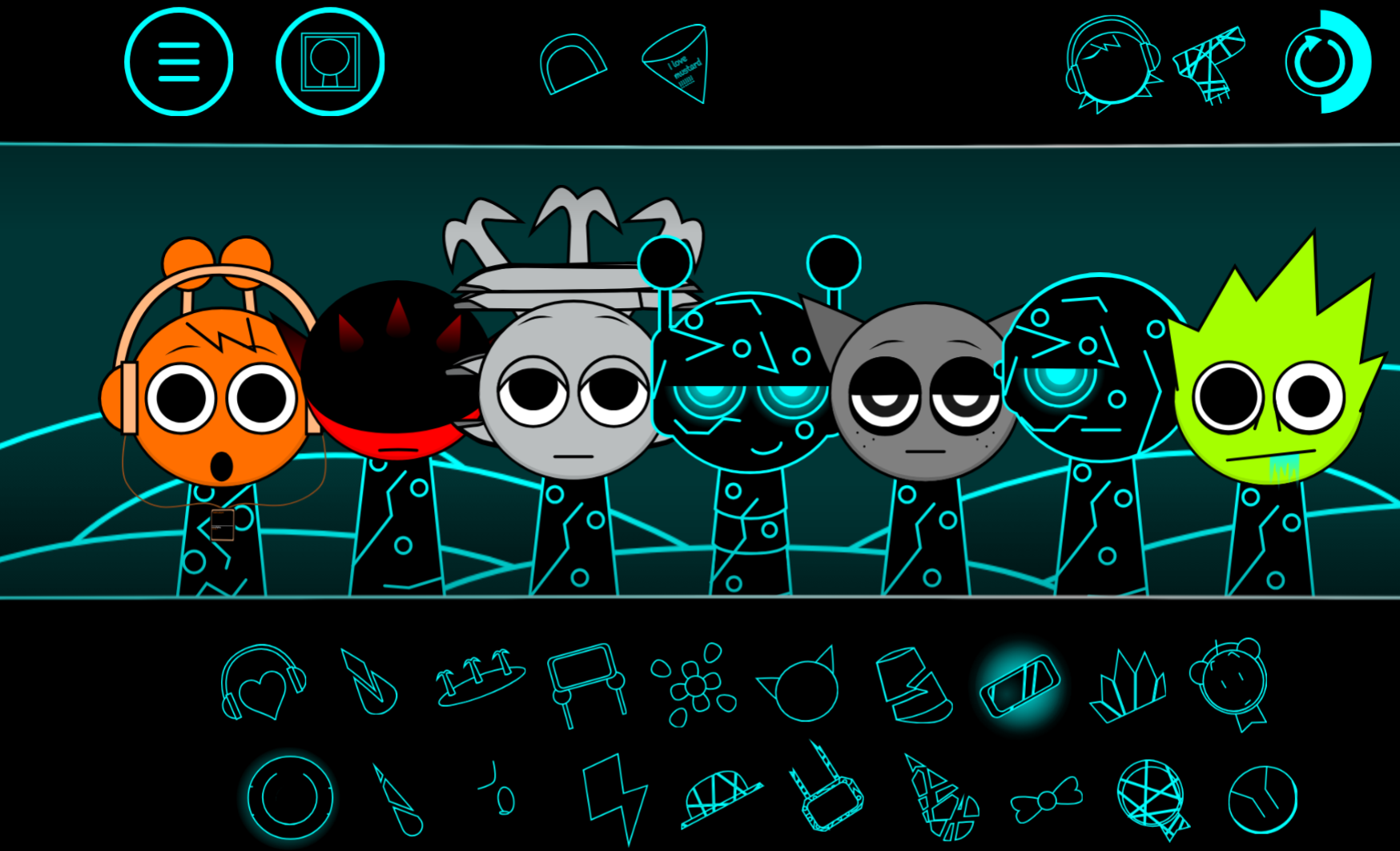
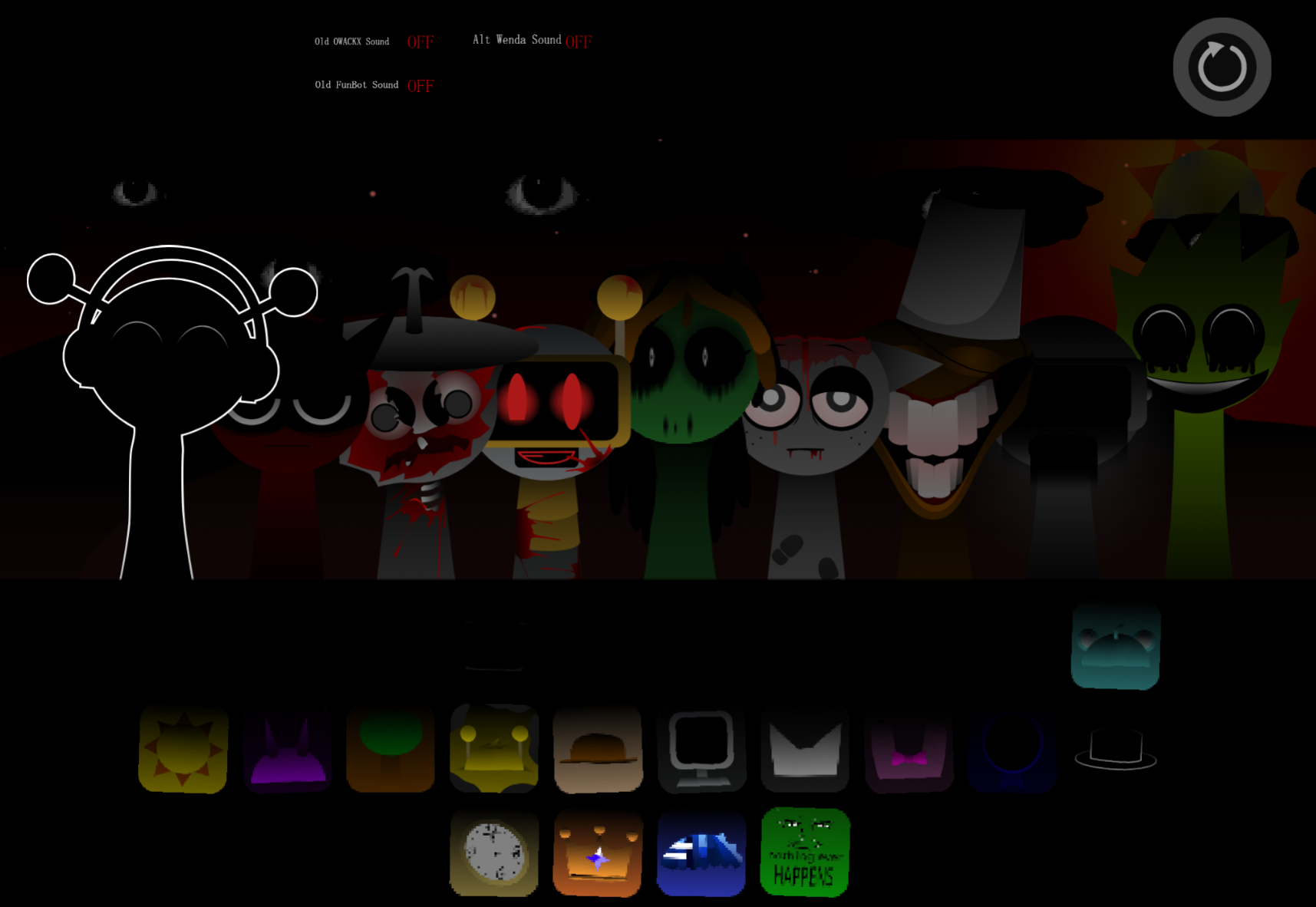
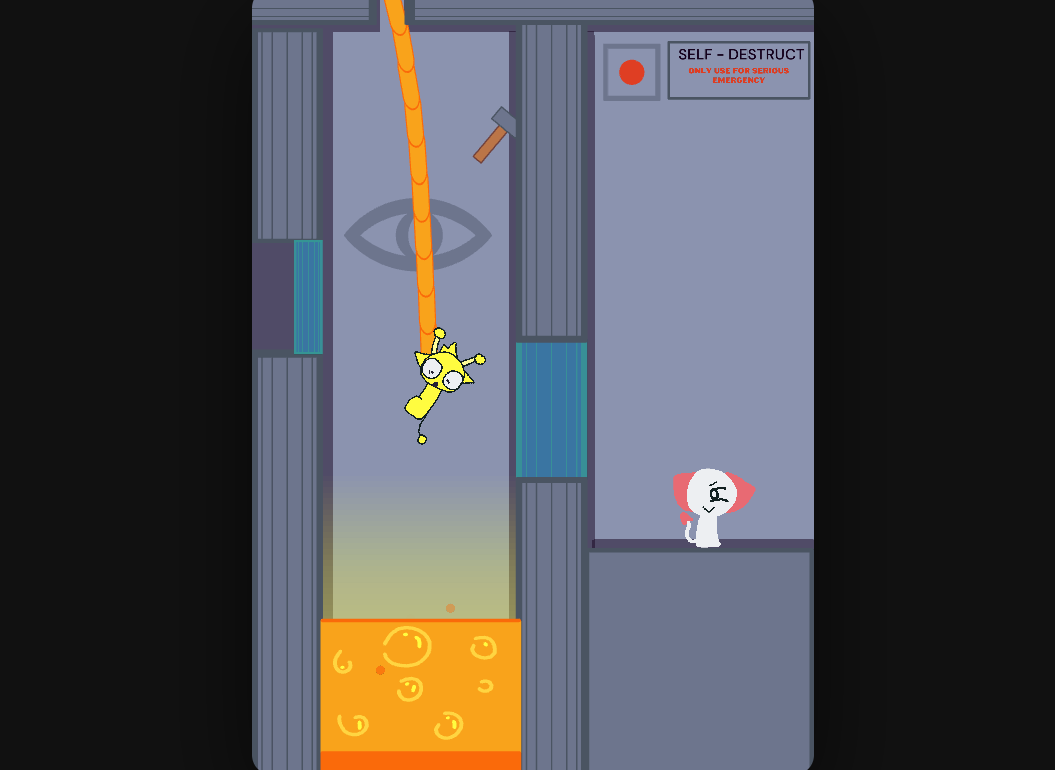
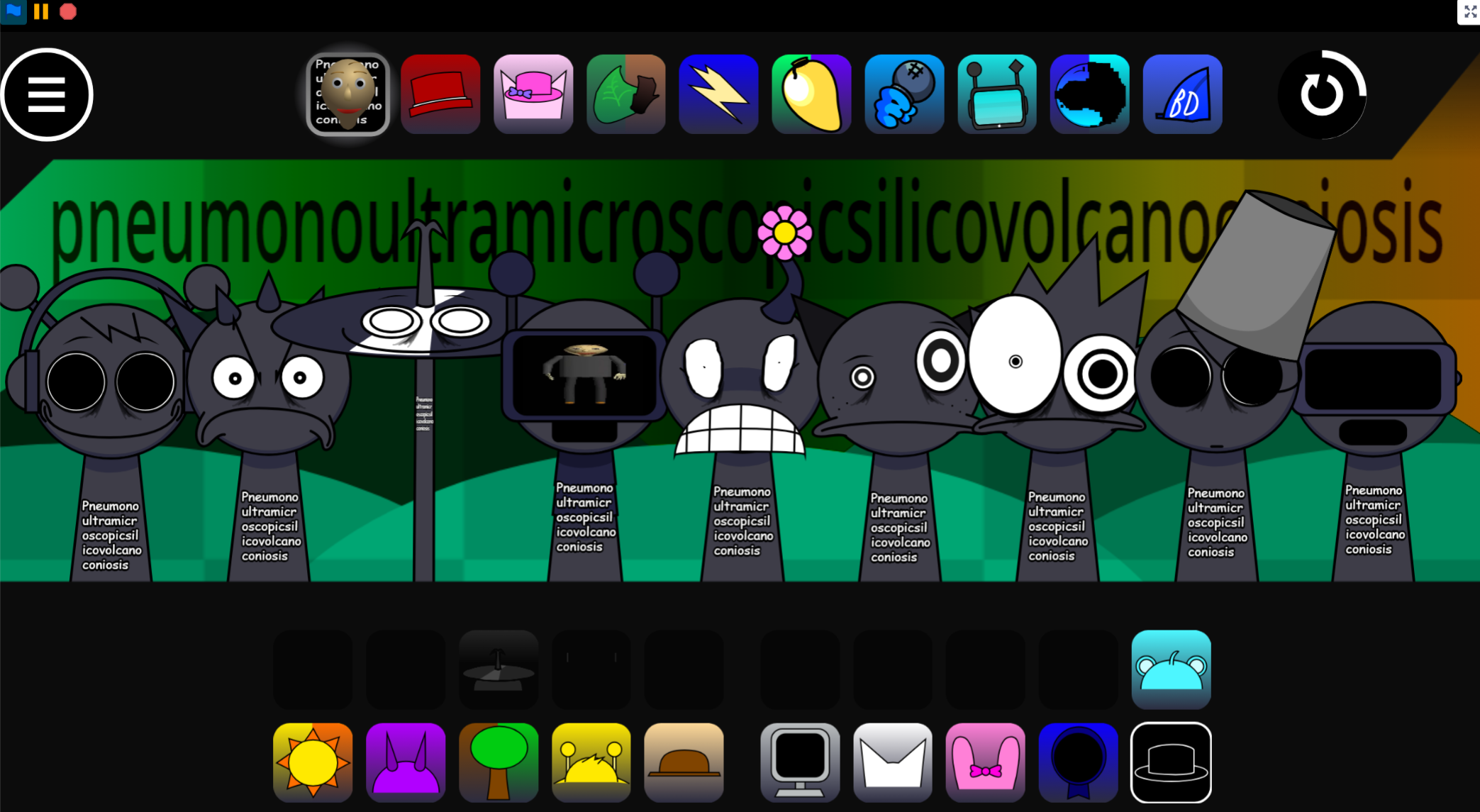
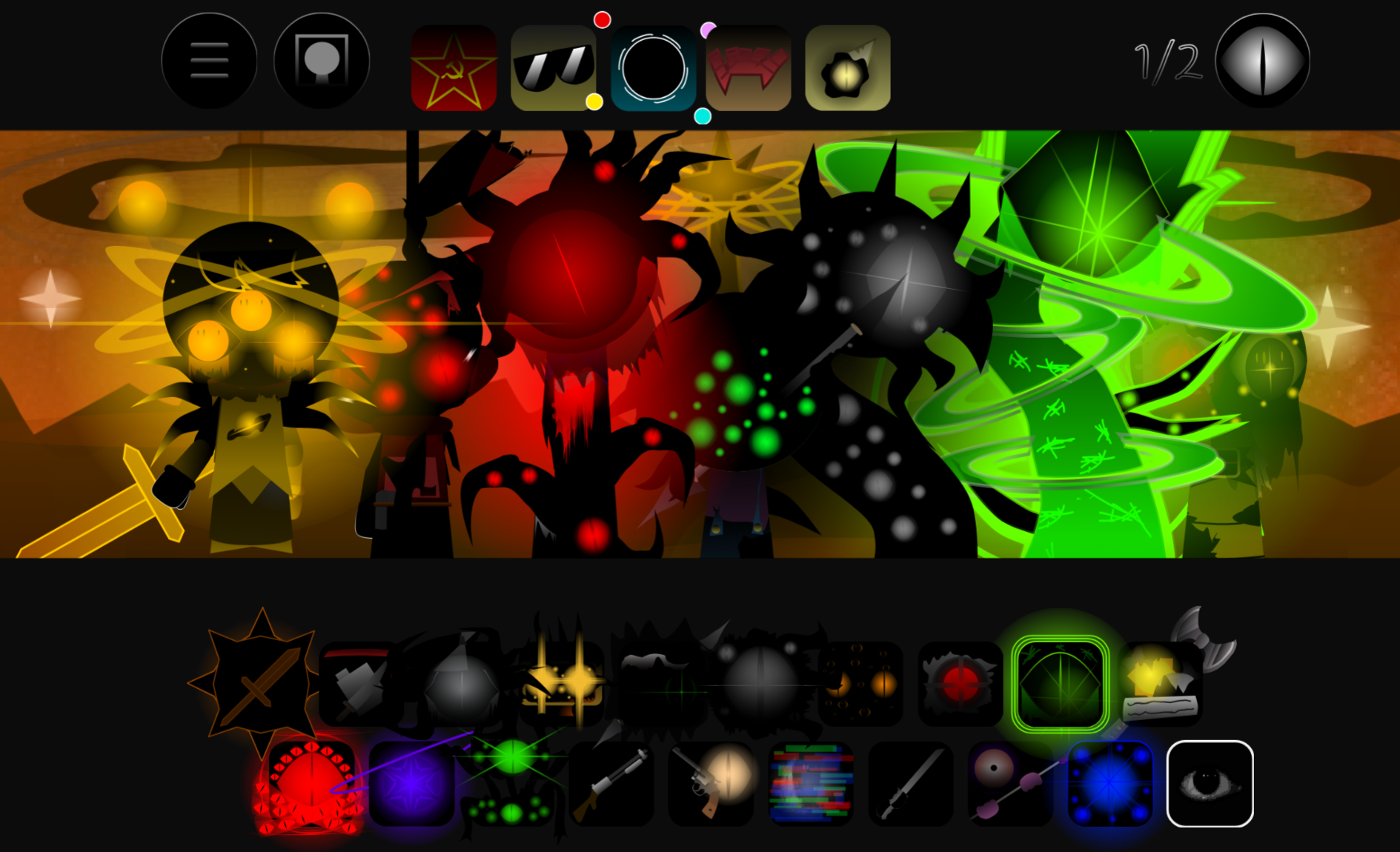
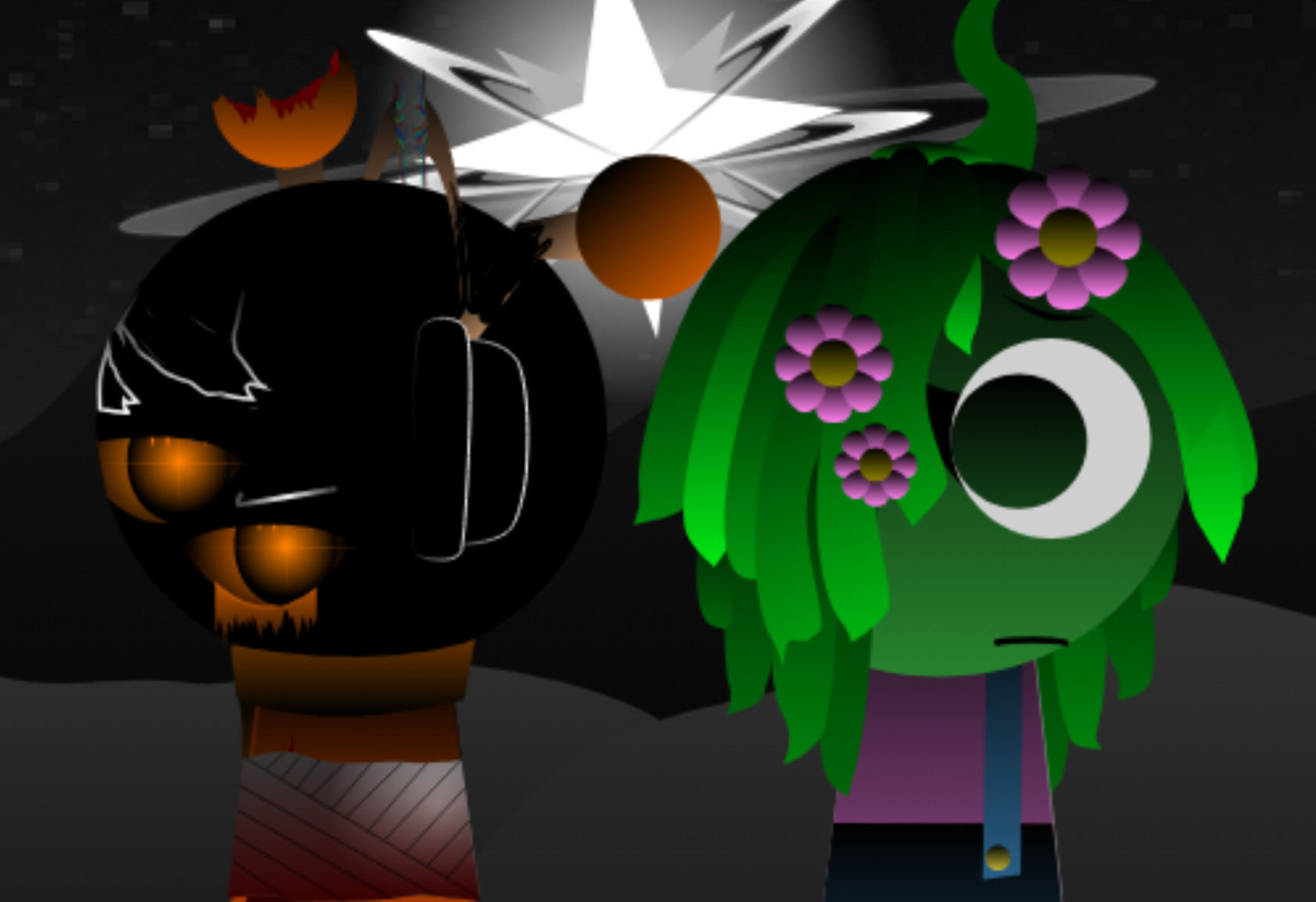
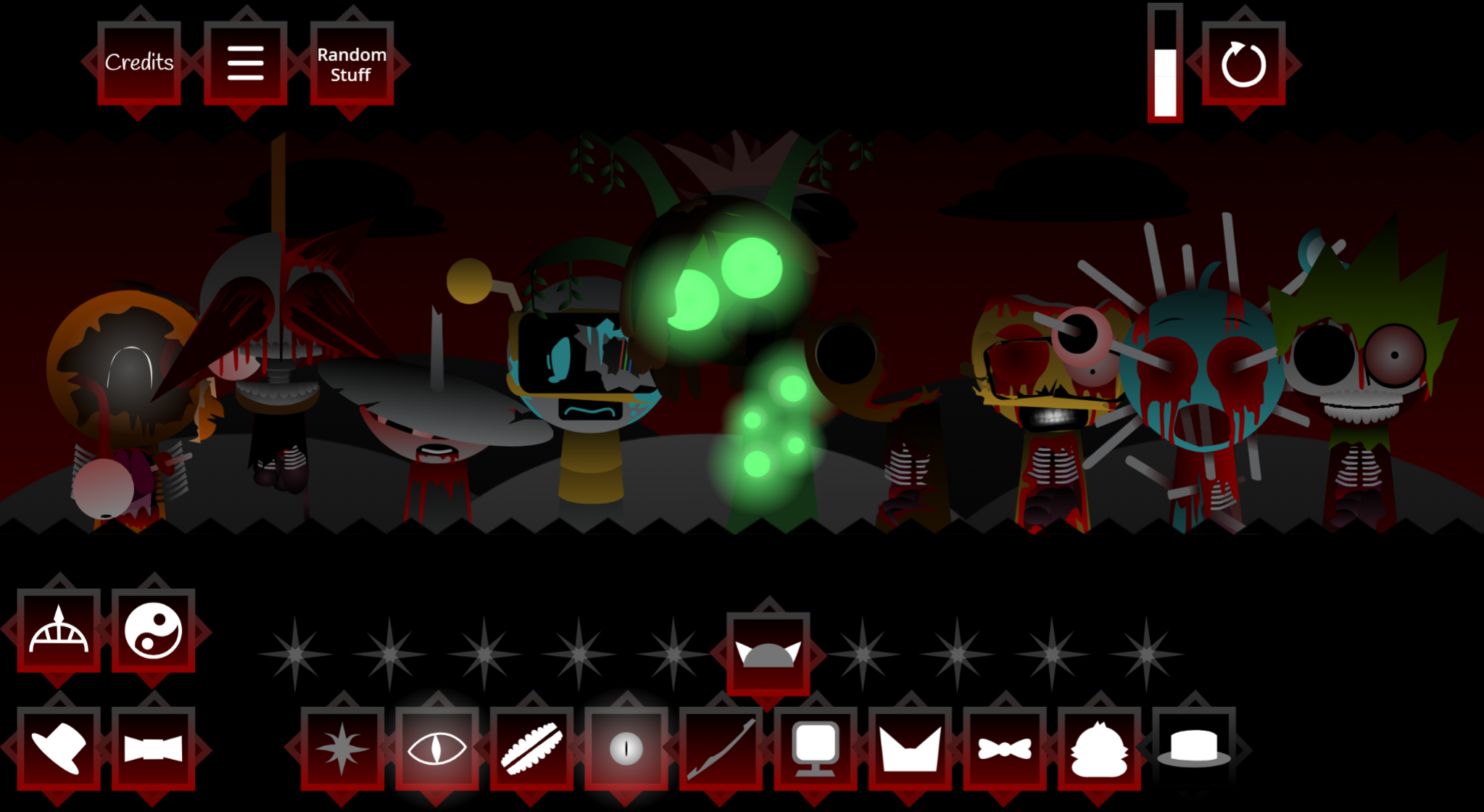
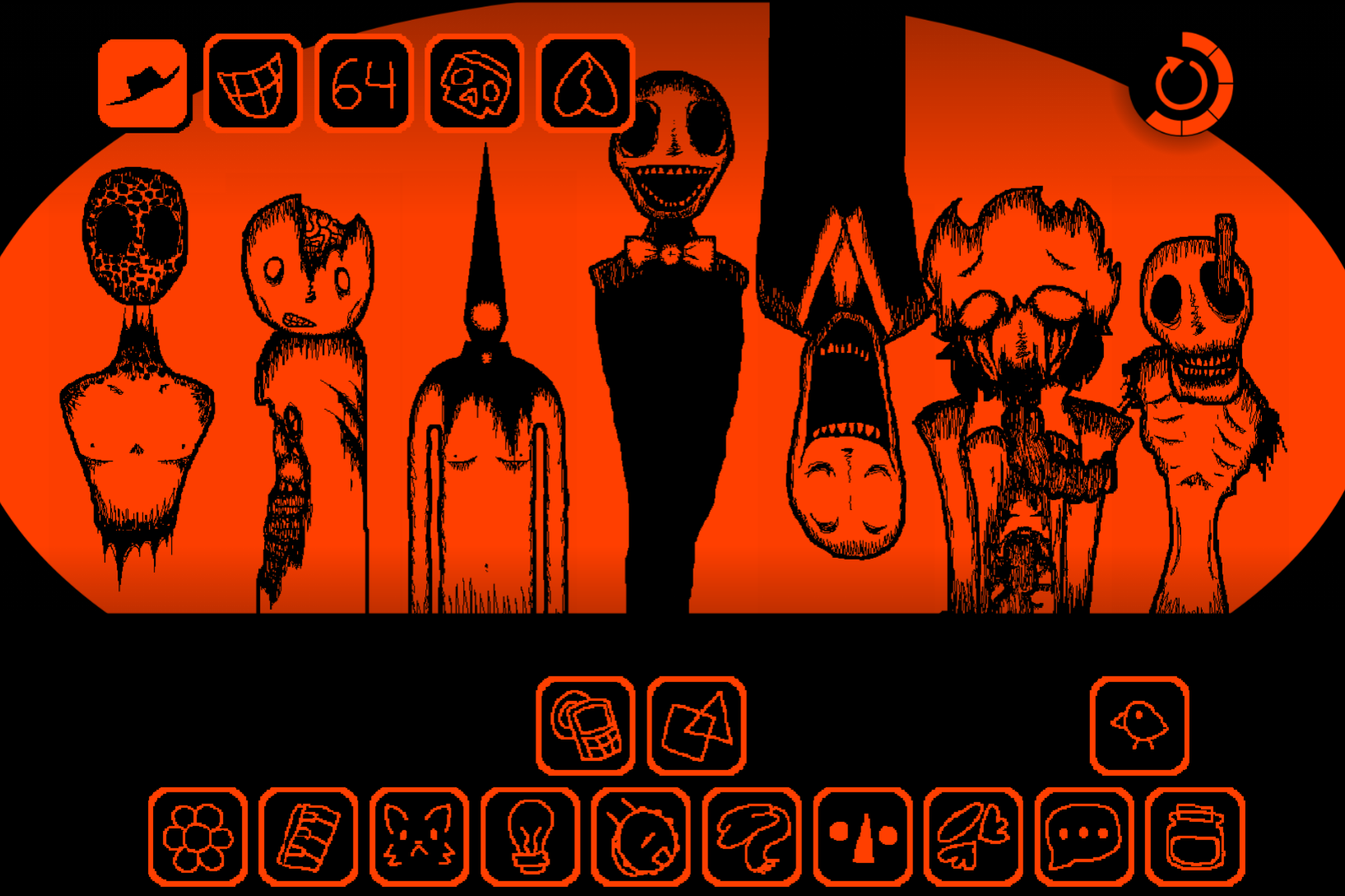
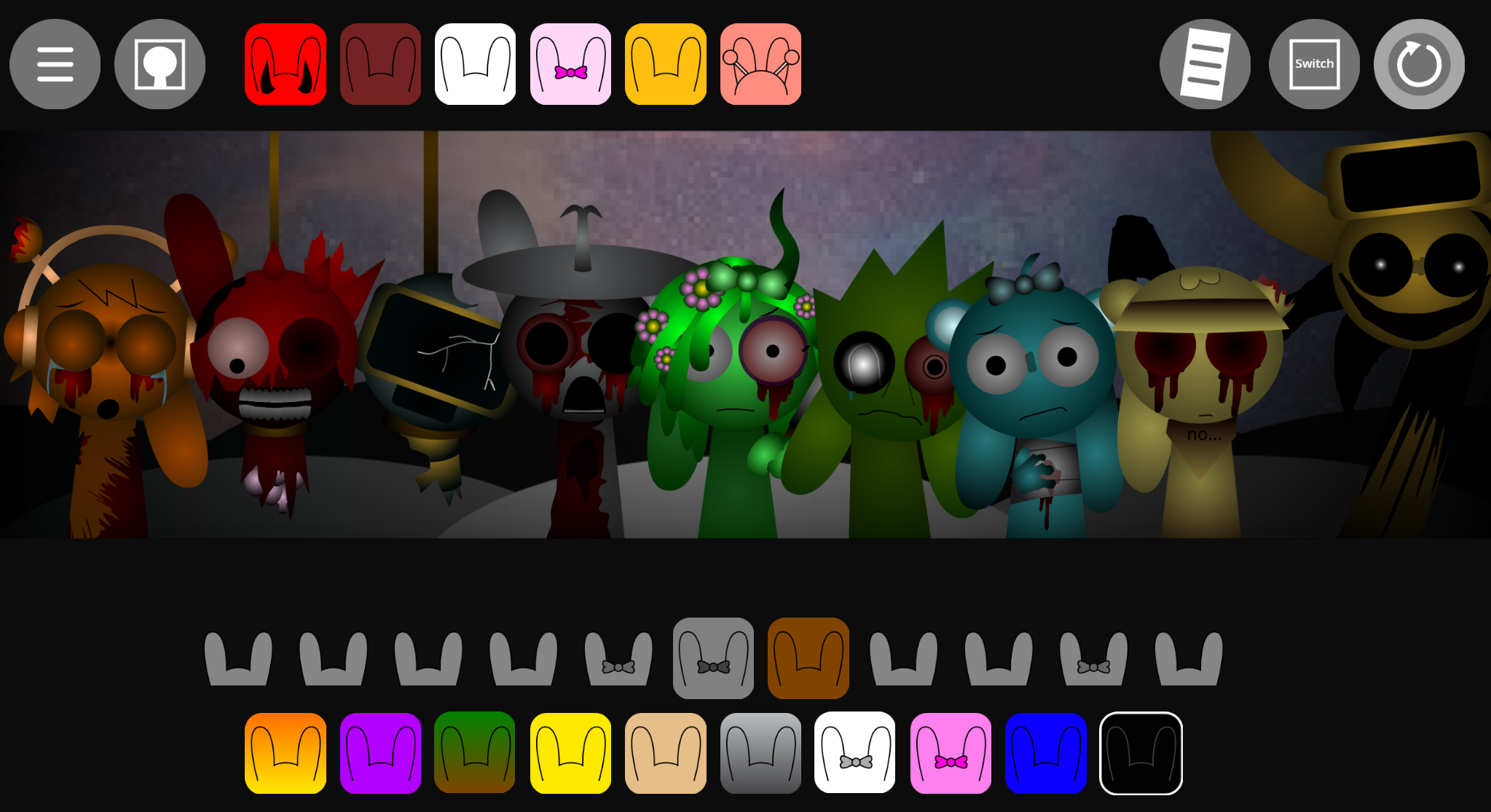
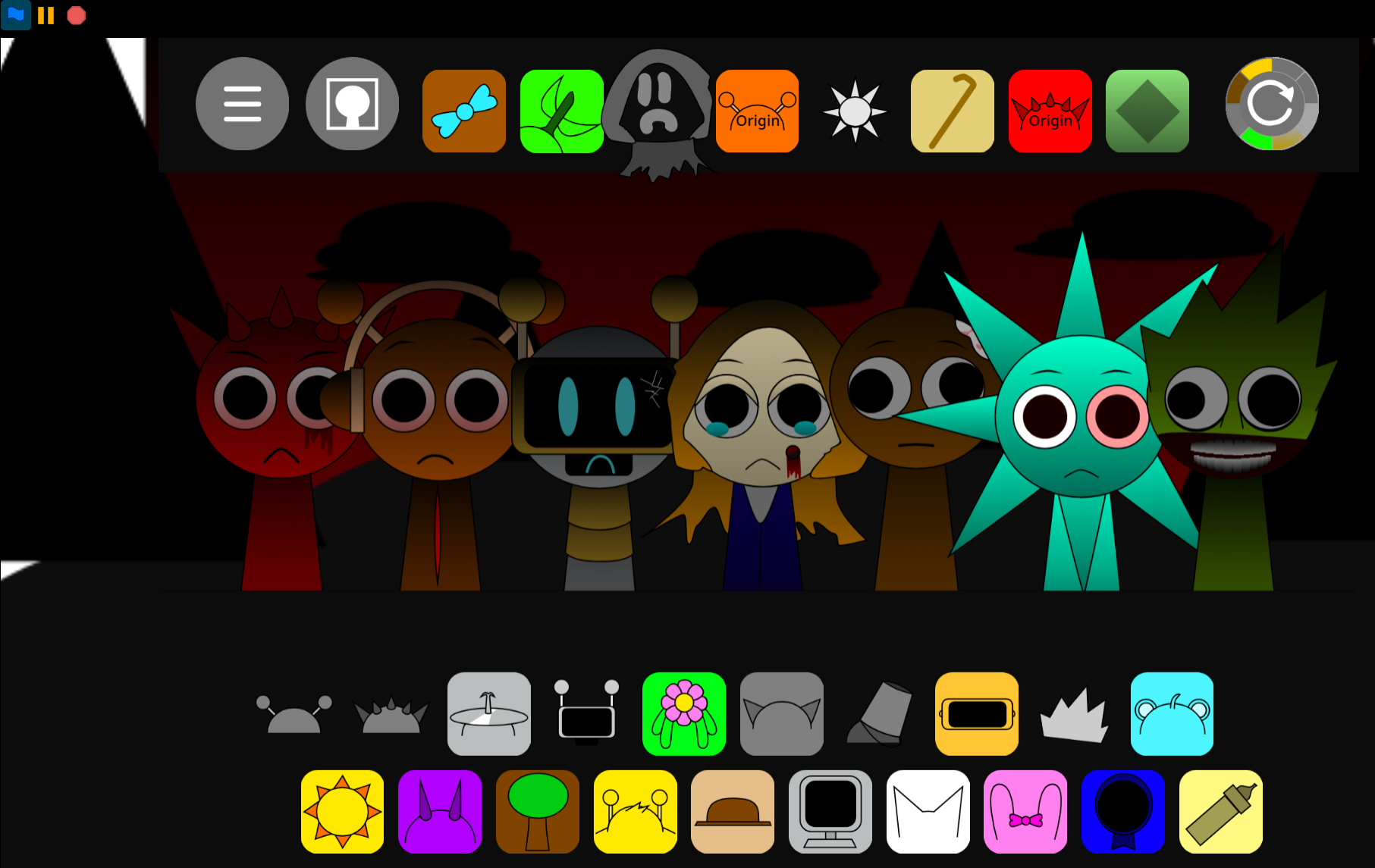
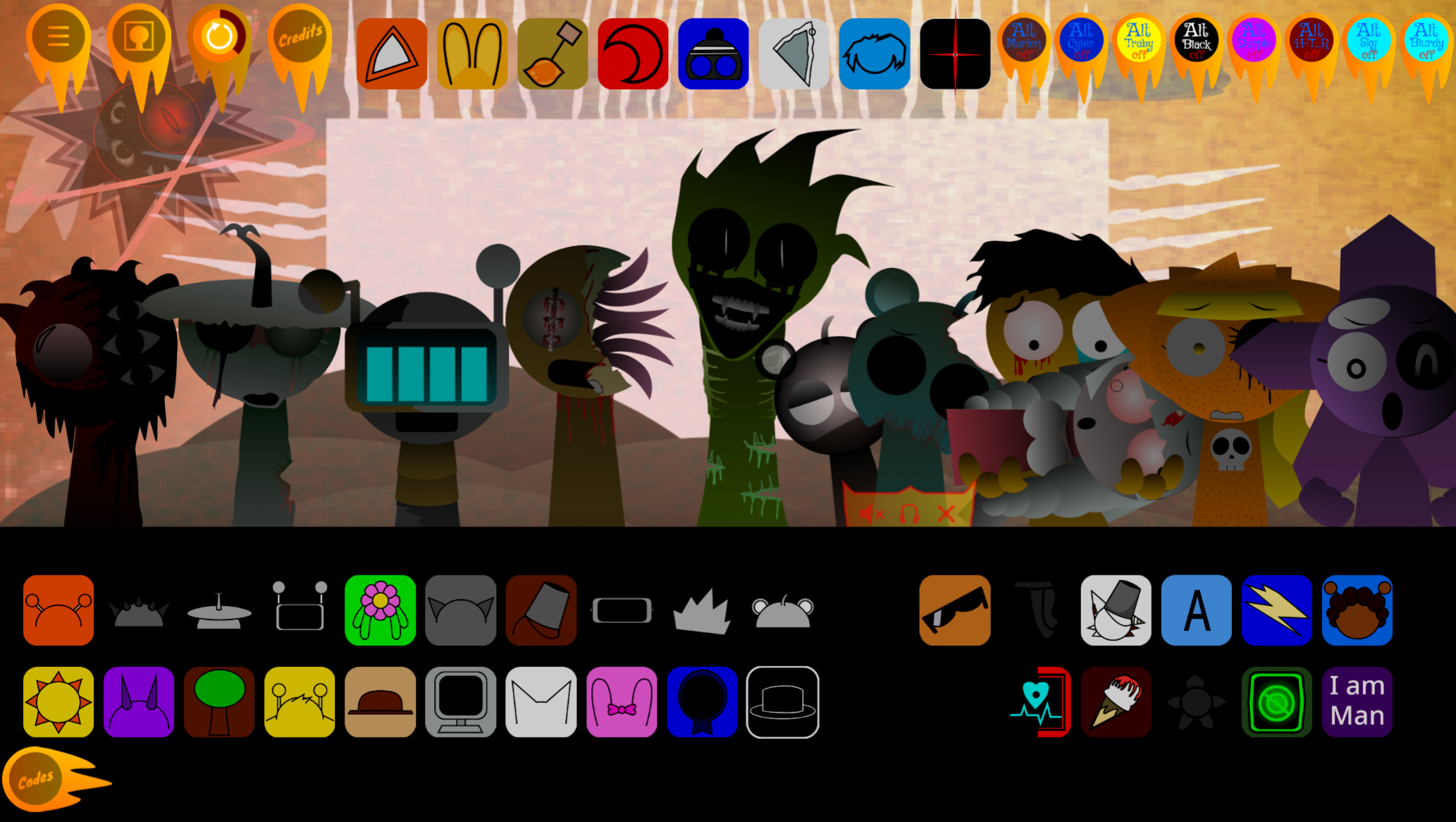
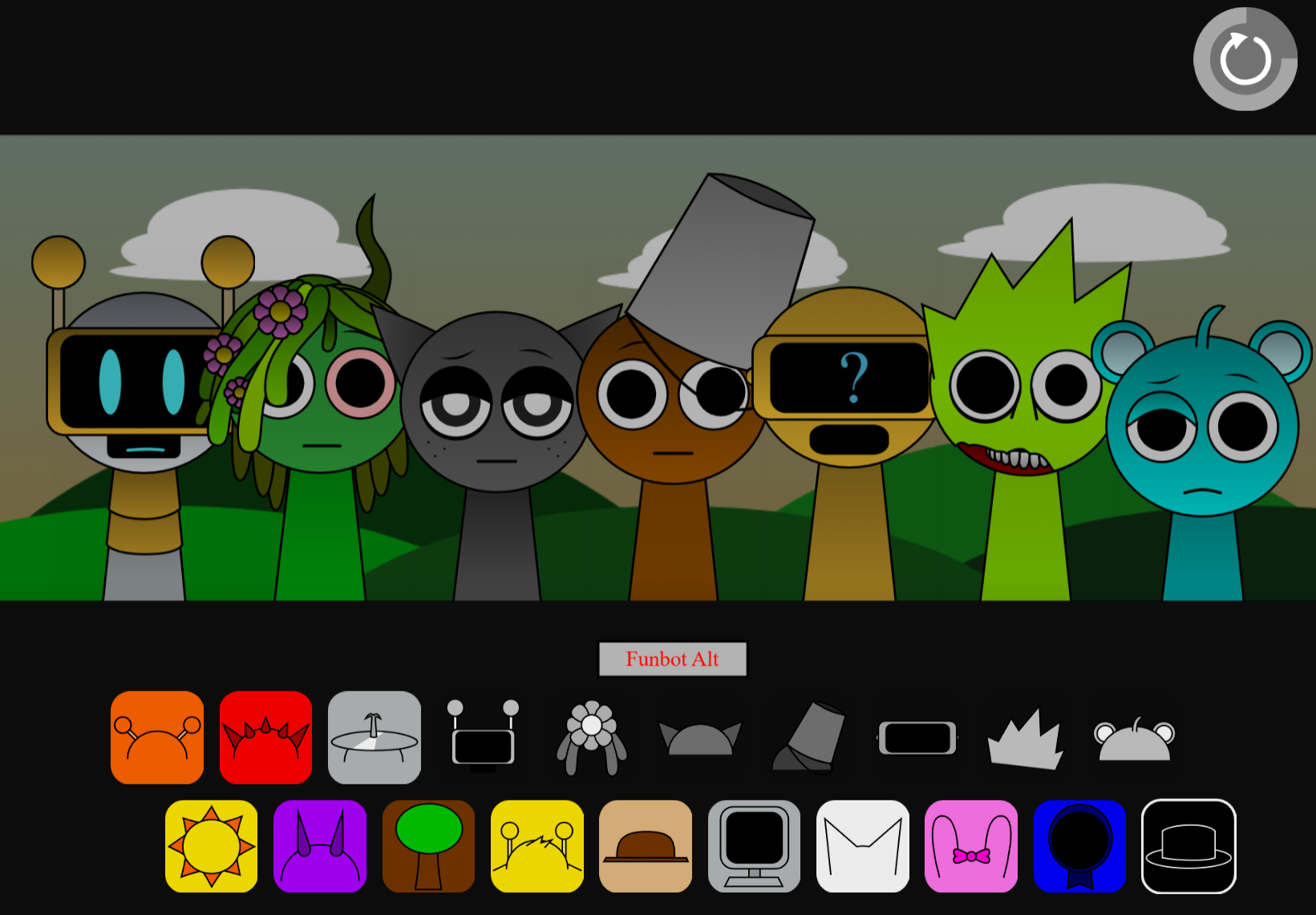

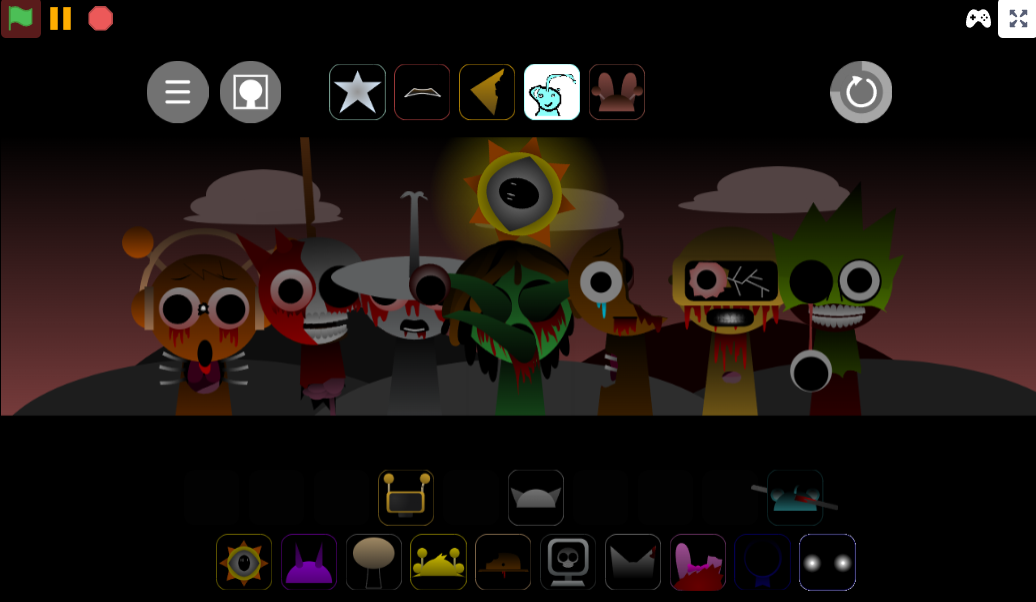
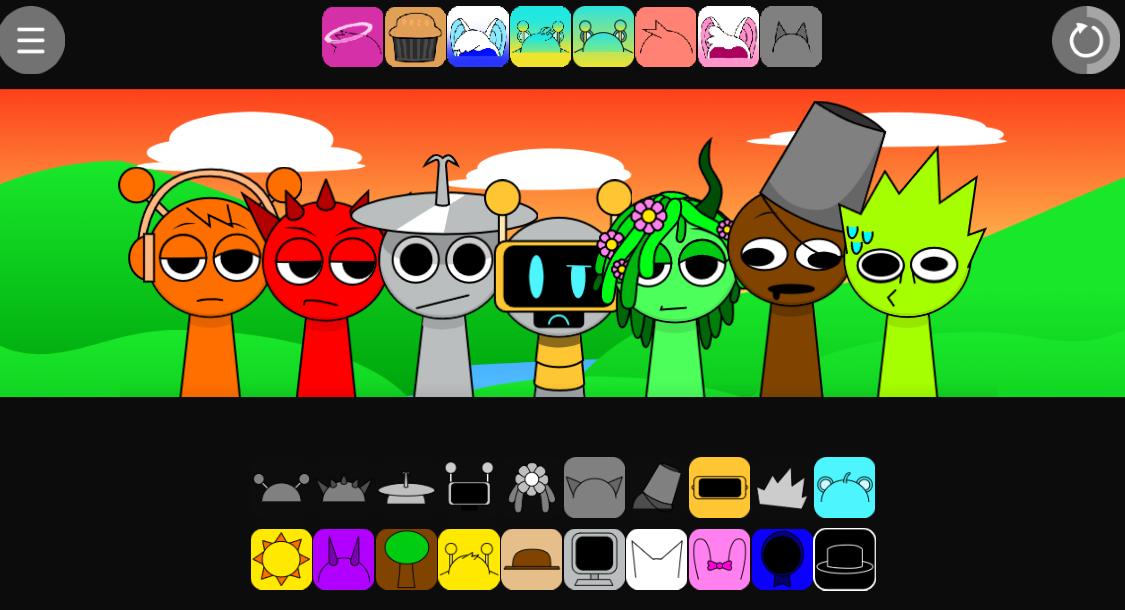
Sprunki Pink Eye Treatment UCs Take is a horror-themed rhythm game mod where “Pink Eye” represents a bio-digital infection that corrupts beloved Sprunki characters through distorted audio and nightmarish visuals. Players become observers in a quarantine zone, mixing beats while watching the infection spread through their crew.
UC’s Take transforms the innocent drag-and-drop music game into something far more sinister. The “treatment” isn’t about curing anyone—it’s about managing the chaos as characters weep pink fluid, their vocals glitch into static, and the entire soundscape shifts from individual melodies into a singular, overwhelming drone of infection.
What makes this mod stand out:
- Bio-digital virus concept - The infection spreads through corrupted sound files, not just visual changes
- Dual gameplay states - Toggle between “Stable” and “Critical” conditions that transform the environment
- Medical horror aesthetic - Sterile hospital rooms morph into nightmare realms as you layer infected sounds
- Character-specific symptoms - Each crew member displays unique infection stages with distinct audio distortions
- Strategic sound mixing - Balance industrial noise with hip-hop rhythms without creating pure audio chaos
The genius of Sprunki Pink Eye Treatment UCs Take lies in its contrast. You’re creating genuinely catchy beats while surrounded by body horror imagery. Oren’s swollen, pulsing eye anchors aggressive beatbox rhythms. Wenda’s high-pitched cries for help add tension. Raddy’s corrupted bassline sounds like a failing heartbeat. Even Fun Bot displays error screens showing giant pink eye icons while producing mechanical failure sounds.
This isn’t your typical infection mod that just recolors eyes. UC crafted smooth animations, expressive character transformations, and premium audio engineering that uses stereo panning to make the infection feel like it’s surrounding you.
About Sprunki - Pink Eye Treatment (UC’s Take)
Sprunki Pink Eye Treatment UCs Take treats Pink Eye as a bio-digital virus that warps both sound and sight. Characters don’t just get red eyes—they transform into weeping, glitching messes that pulse with the beat.
The drag-and-drop setup stays familiar, but what you’re mixing is pure infected chaos. Each character embodies a different stage of the outbreak. Oren’s eye swells to massive size. Wenda cries pink fluid. Raddy’s face hides behind bandages, maybe covering multiple eyes. Even Fun Bot shows errors on its screen.
Symptoms hit hard in this version. Audio distorts into static-filled screams. Visuals decay as characters twitch and jerk. The hive mind effect kicks in when you layer too many infected sounds—suddenly it’s not individual beats anymore, but one overwhelming drone.
The gameplay shifts between Stable and Critical conditions. In Stable mode, you can craft catchy horror beats. Push into Critical? The whole environment transforms. Hospital rooms become nightmare zones. The music gets heavier, darker, more intense.
What sets UC’s Take apart is the polish. The animation flows smooth. The sound design uses panning and stereo effects that make the infection feel like it’s crawling around your head. Other Pink Eye mods just change eye colors. This one builds a whole world of medical horror that you navigate through rhythm. It’s disturbing, it’s catchy, and it’s weirdly beautiful in its grotesque execution.
How to Play Sprunki - Pink Eye Treatment (UC’s Take)
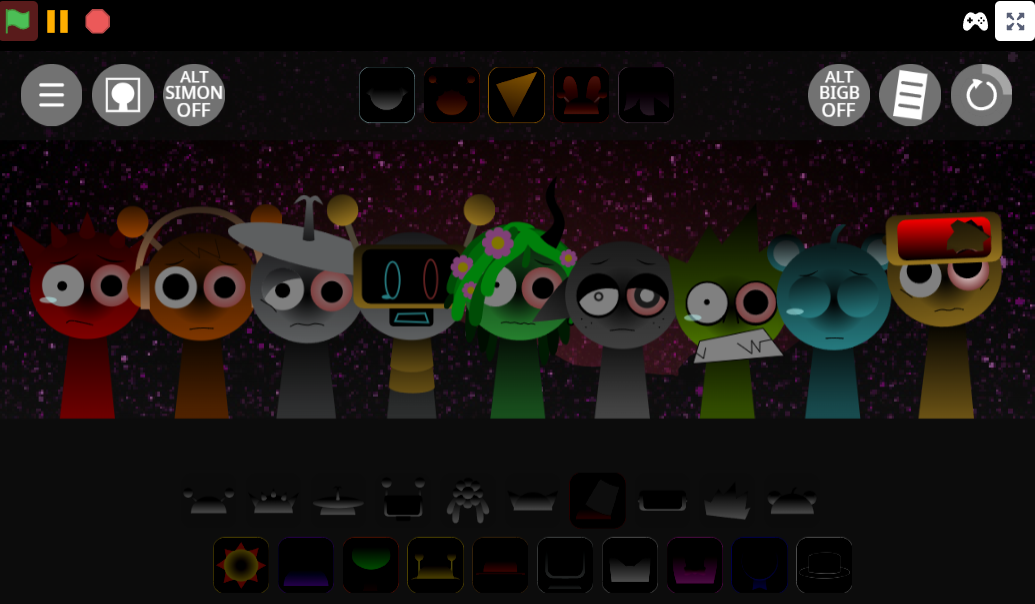
Step 1: Learn the Interface. You’ll see Sprunki avatars lined up, each showing different infection stages. Bottom icons represent treatment phases: Beats, Effects, Melodies, Voices. Drag these onto characters to activate sounds.
Step 2: Start with Beats. Always begin with Oren or Raddy. They provide the foundation—heavy heartbeats or medical equipment sounds. This anchors your mix and gives you a base to build on.
Step 3: Add One Melody at a Time. Don’t rush. Layer sounds gradually. Add Wenda’s high notes. Wait. Listen. Then maybe bring in Fun Bot’s glitches. This prevents overwhelming noise and lets you hear how elements interact.
Step 4: Experiment with Combos. Try placing Patient Zero in the center slot. Equip the most damaged characters first. Different combinations trigger visual changes and unlock special animations. Finding these triggers is half the fun.
Step 5: Use Headphones. The audio engineering uses panning and stereo effects. Phone speakers miss the subtle squelches and whispered vocals that make this mod special. Headphones immerse you in the infection.
Step 6: Watch Visual Cues. Characters react to your beats. Their eyes blink in patterns. The Pink Eye pulses with tempo. Use these cues to time your drops and transitions for maximum dramatic effect.
Step 7: Balance Stable and Critical. Push the infection to see how far you can go. But know when to pull back. Too much chaos and you lose the music. Find that sweet spot where horror and harmony coexist perfectly.
Features of Sprunki - Pink Eye Treatment (UC’s Take)
Unique Artistic Style: UC’s visual approach combines horror with cartoon aesthetics. Characters look grotesque but not realistic. This keeps things unsettling without crossing into pure gore. The art style is smooth, expressive, and more polished than most fan-made attempts.
Deep Narrative: The bio-digital virus concept adds layers. It’s not just infection—it’s corruption through sound files. The facility setting suggests failed treatment and medical malpractice. You piece together the story through environmental details rather than text dumps.
Audio-Visual Distortion: Infected characters exhibit both sound and sight corruption. Bulging eyes sync with bass drops. Glitchy vocals match erratic animations. This dual distortion creates immersion that pulls you into the quarantine zone.
Strategic Gameplay: The drag-and-drop interface demands thought. You can’t just activate everything at once. You need to balance noise, find triggers, and shift between Stable and Critical conditions. This adds depth beyond simple music mixing.
Character Redesigns: Each crew member gets a grotesque makeover. Swollen eyes, pink tears, bandaged faces, error screens. These designs aren’t just cosmetic—they inform the sounds each character produces and how they fit into your mix.
Treatment Shift Mechanic: The ability to transform environments through sound combinations is brilliant. Watch sterile rooms become nightmare zones. See medical equipment glitch out. This mechanic makes every playthrough feel dynamic and unpredictable.
Viral Appeal: The mod gained traction through catchy horror beats, visual storytelling, and surprise elements. It appeals to horror fans and rhythm game enthusiasts equally. The combination of industrial noise and hip-hop rhythms creates tracks that work even outside the game context, showing UC’s skill in composition and sound design.
Tips for Playing Sprunki - Pink Eye Treatment (UC’s Take)
Master Sprunki Pink Eye Treatment UCs Take with these proven strategies that enhance your gameplay.
Balance the Noise: The sounds here are dense with distortion and static. Activate all characters at once and you get a wall of noise. Instead, start with the beat—Oren or Raddy. Add one melody at a time. Let the track breathe. This approach helps you hear how elements interact and prevents overwhelming chaos.
Find the Trigger: Most complex Sprunki mods hide special animations or horror mode climaxes. Experiment with placing Patient Zero in the center slot. Try equipping the most damaged characters first. Different combinations unlock visual transformations and audio shifts. Finding these triggers adds replay value and deeper engagement.
Use Headphones Always: The audio engineering uses panning and stereo effects to make infection feel surrounding. Phone speakers miss subtle squelching sounds and whispered vocals. Headphones reveal layers you’d otherwise miss. You’ll hear how sounds move around your head, creating immersion that speakers can’t match.
Watch for Visual Cues: Characters react to your beats in specific ways. Their eyes blink in patterns. The Pink Eye pulses with tempo. Animations sync to drops. Use these visual cues to time your transitions. When Oren’s eye dilates, drop the bass. When Wenda’s tears sync up, add her melody. This creates more impactful, dramatic compositions.
Start Simple, Build Complex: Don’t try to create the perfect mix immediately. Begin with basic beat and melody. Listen. Adjust. Add effects gradually. This iterative approach helps you understand how sounds layer and interact. You’ll discover combinations that work better than random experimentation.
Embrace the Chaos: Sometimes the best mixes come from pushing into Critical mode. Don’t fear the noise. Test limits. See how far you can push infection before losing control. Some of the most interesting sounds emerge when you’re on the edge of pure chaos.
Similar Games
Final Words
Sprunki Pink Eye Treatment UCs Take proves that infection doesn’t have to mean game over—it can mean game on. This mod transforms medical nightmare into musical playground, where every corrupted sound file becomes an instrument and every weeping character adds texture to your twisted symphony.
UC’s genius lies in the balance. You’re not just watching horror unfold—you’re conducting it. Each drag of an icon spreads the bio-digital virus further, yet somehow you’re creating tracks that genuinely slap. The sterile hospital aesthetic morphs into nightmare territory as you layer beats, but those beats keep you nodding along despite the grotesque visuals surrounding them.
What sets this apart from typical horror mods is the polish and purpose. Smooth animations sync with audio distortions. Character designs tell stories without words. The Treatment Shift mechanic rewards experimentation while punishing chaos. You’re constantly walking that tightrope between harmony and noise, between control and collapse.
The viral success makes sense. This mod offers jumpscare surprises, deep environmental storytelling, and industrial hip-hop fusion that works even outside the game. It’s disturbing, catchy, and weirdly beautiful—proof that sometimes the best medicine for boredom is a healthy dose of rhythmic infection.