
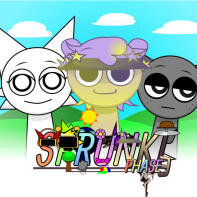

Sprunki Fake Skymon - The Imposter Mod That Turns Music Into Murder Mystery Evidence
Sprunki Fake Skymon transforms music creation into psychological investigation, where every sound loop you layer becomes a clue in unraveling an identity theft that’s corrupted an entire timeline. This character-driven horror mod doesn’t just add darkness to Sprunki’s colorful world—it weaponizes familiarity itself, replacing the beloved cyan-and-yellow Skymon with an impostor so convincing that only deliberate sound experimentation reveals the deception lurking beneath each beat. As you drag vocals onto characters and build tracks, visual glitches crack through the cheerful performance space, exposing floating eyes, blackened skies, and distorted audio that prove the stage was never safe to begin with.
New Games

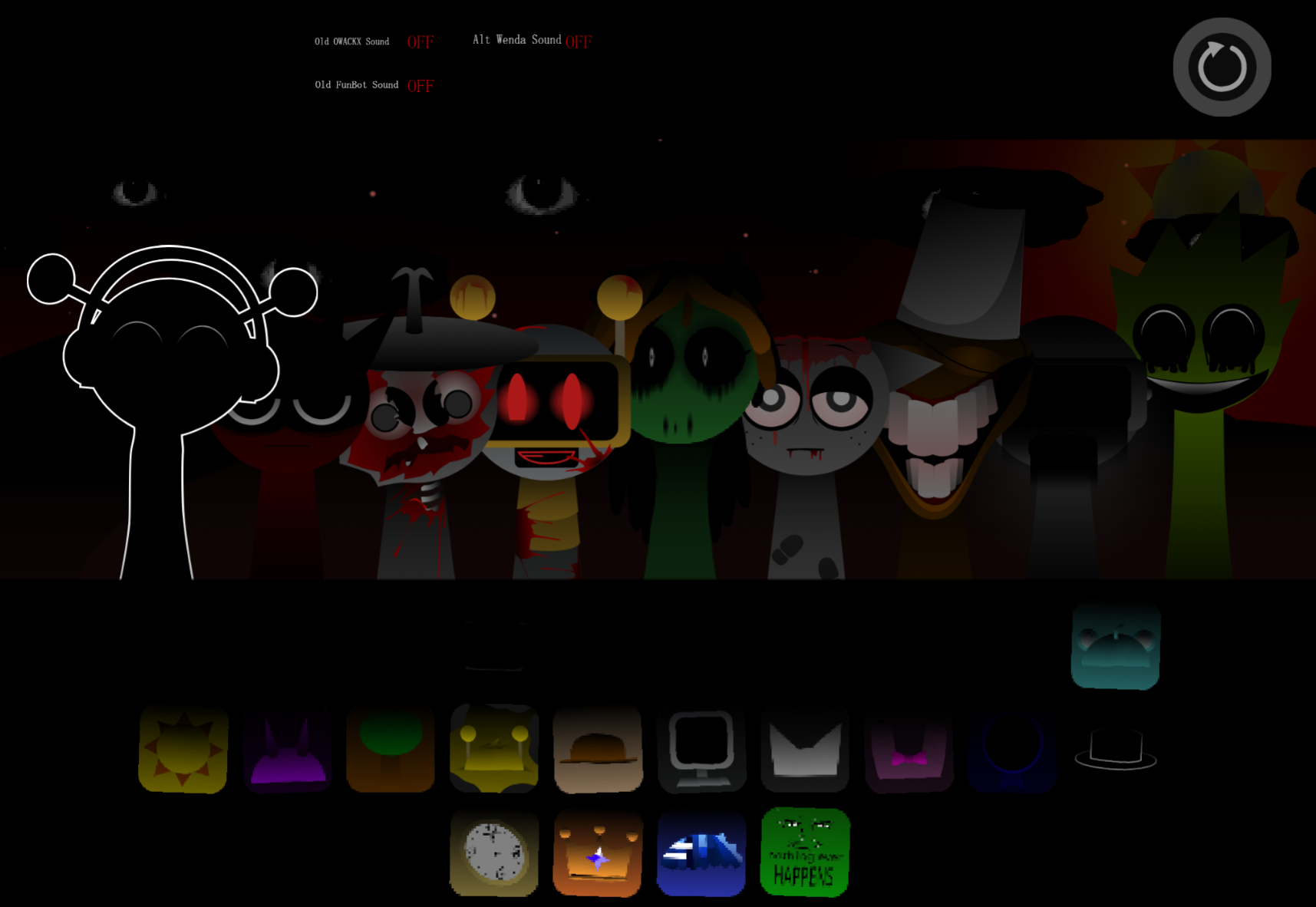
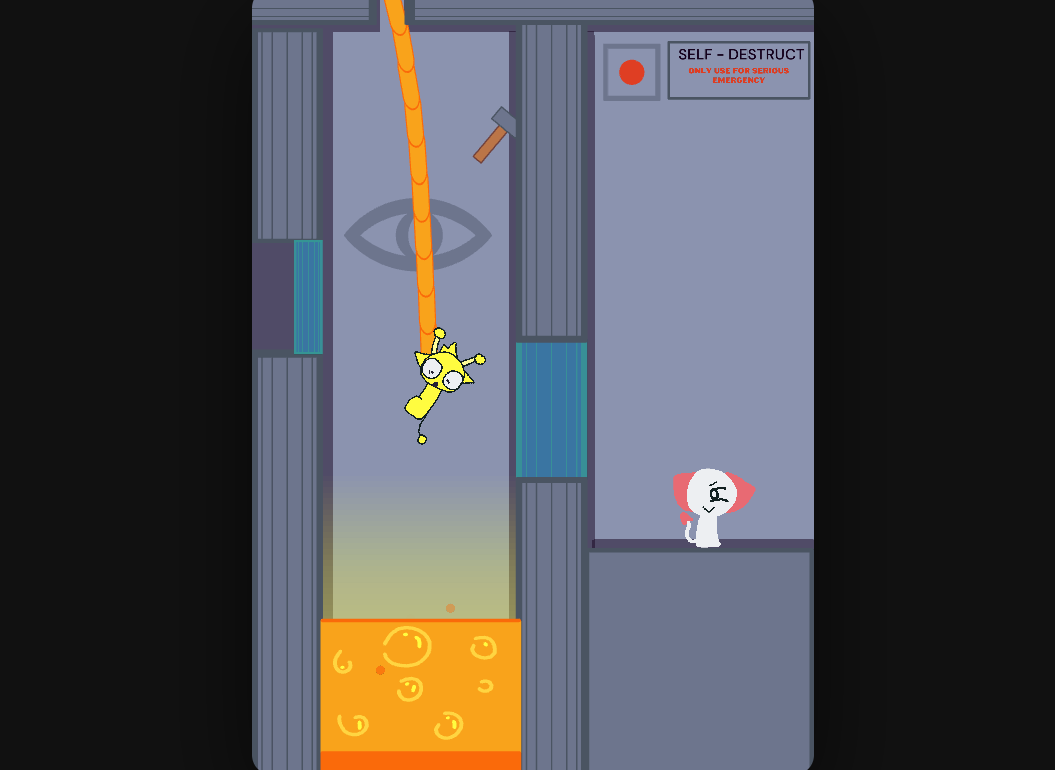
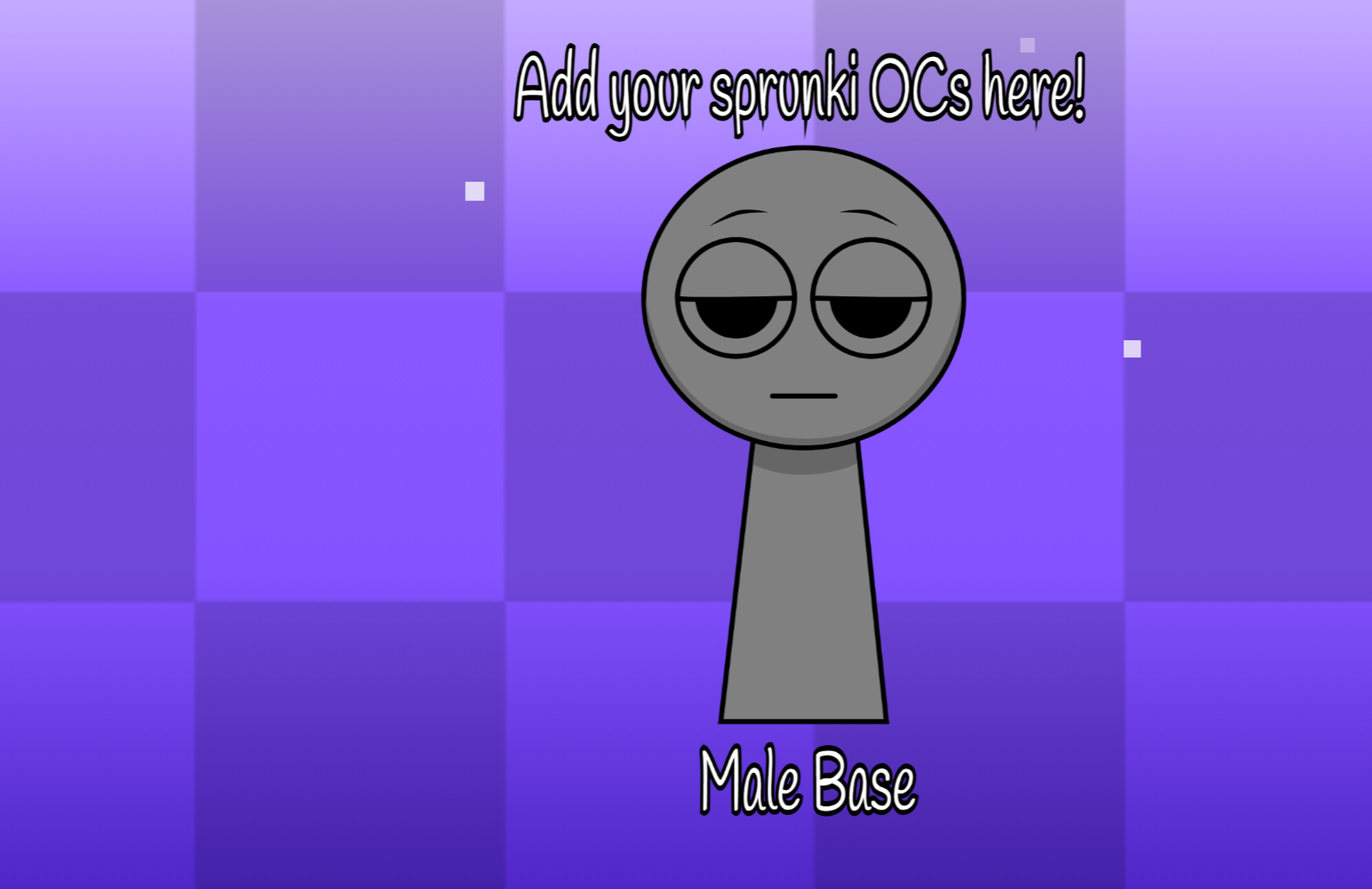
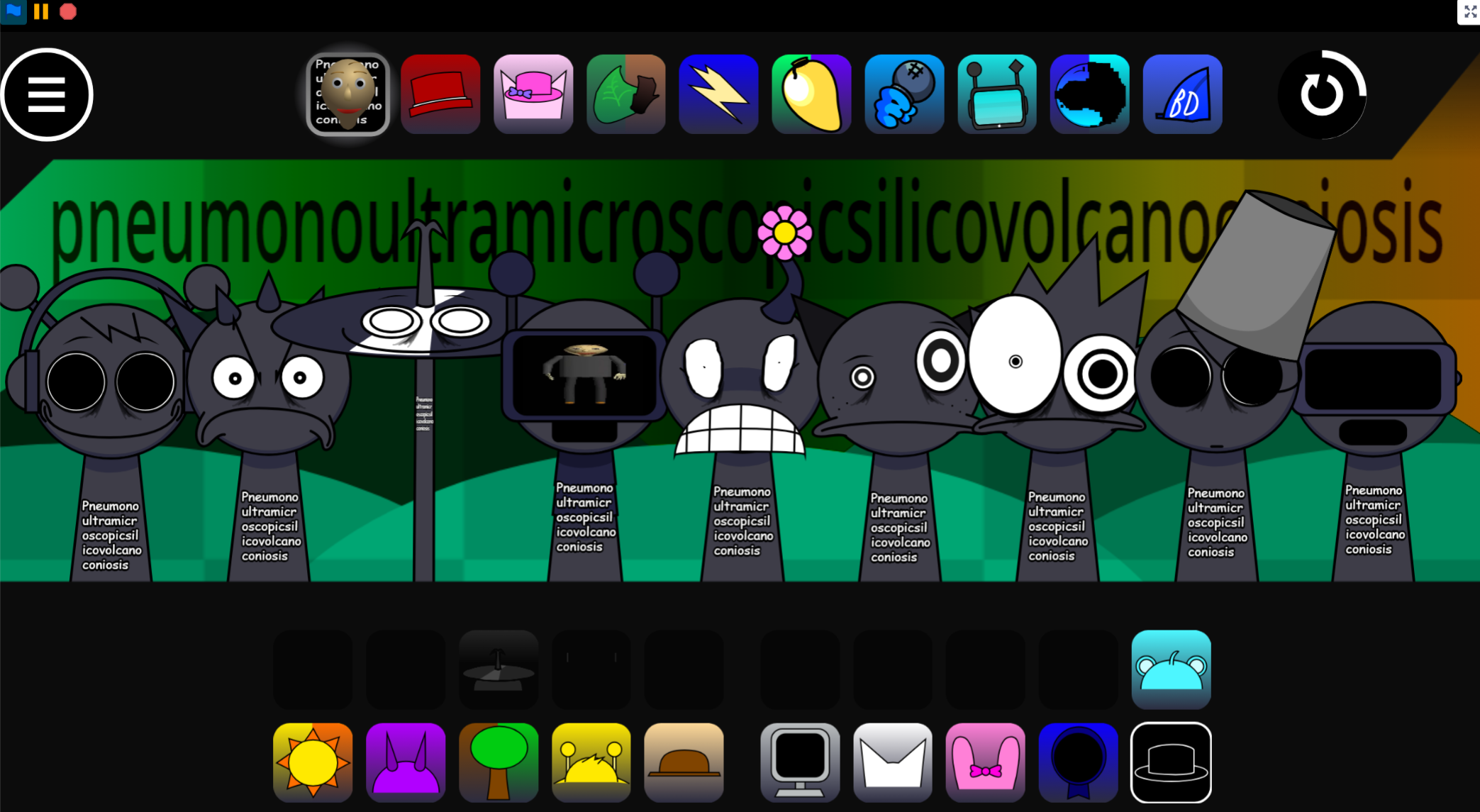
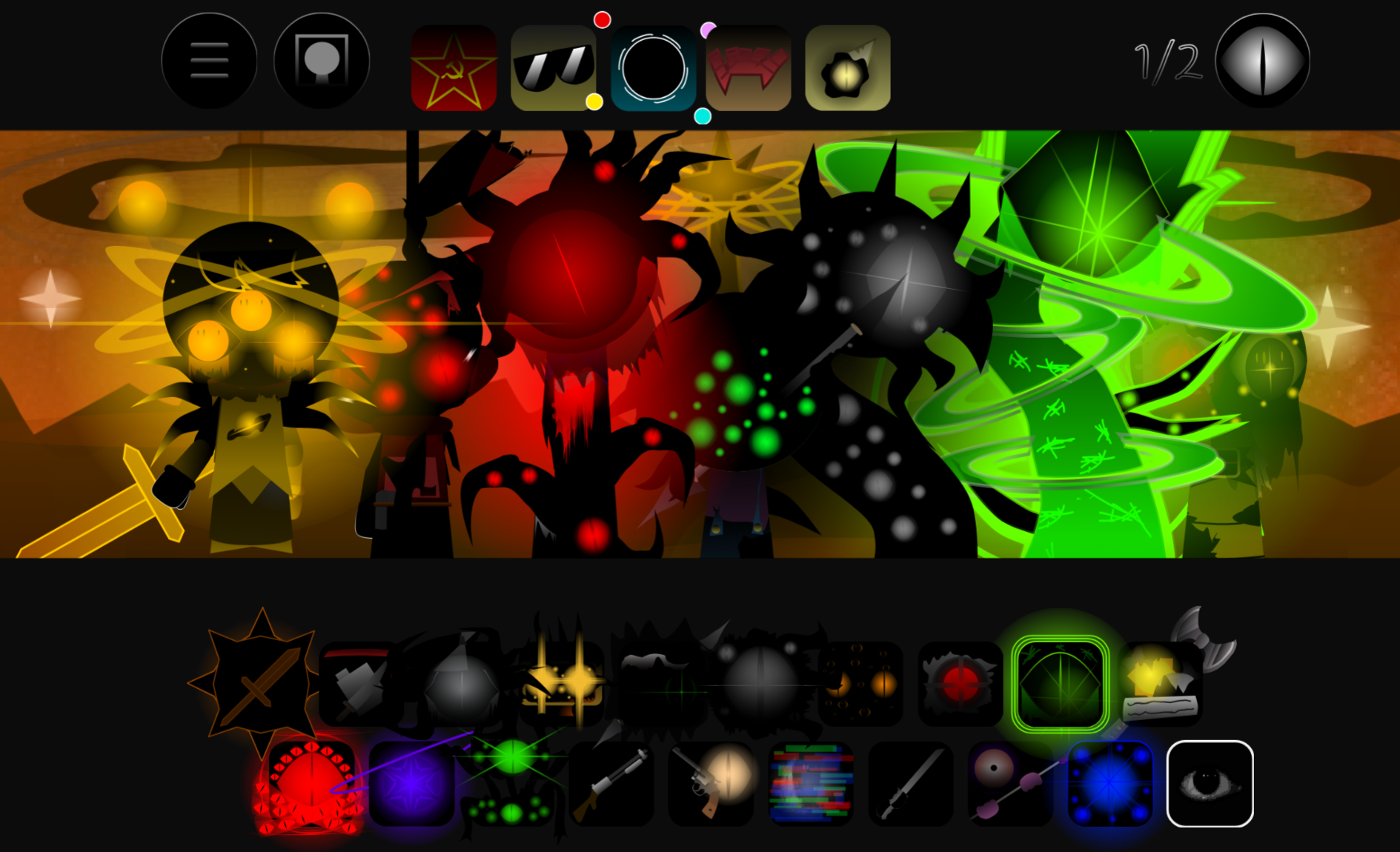
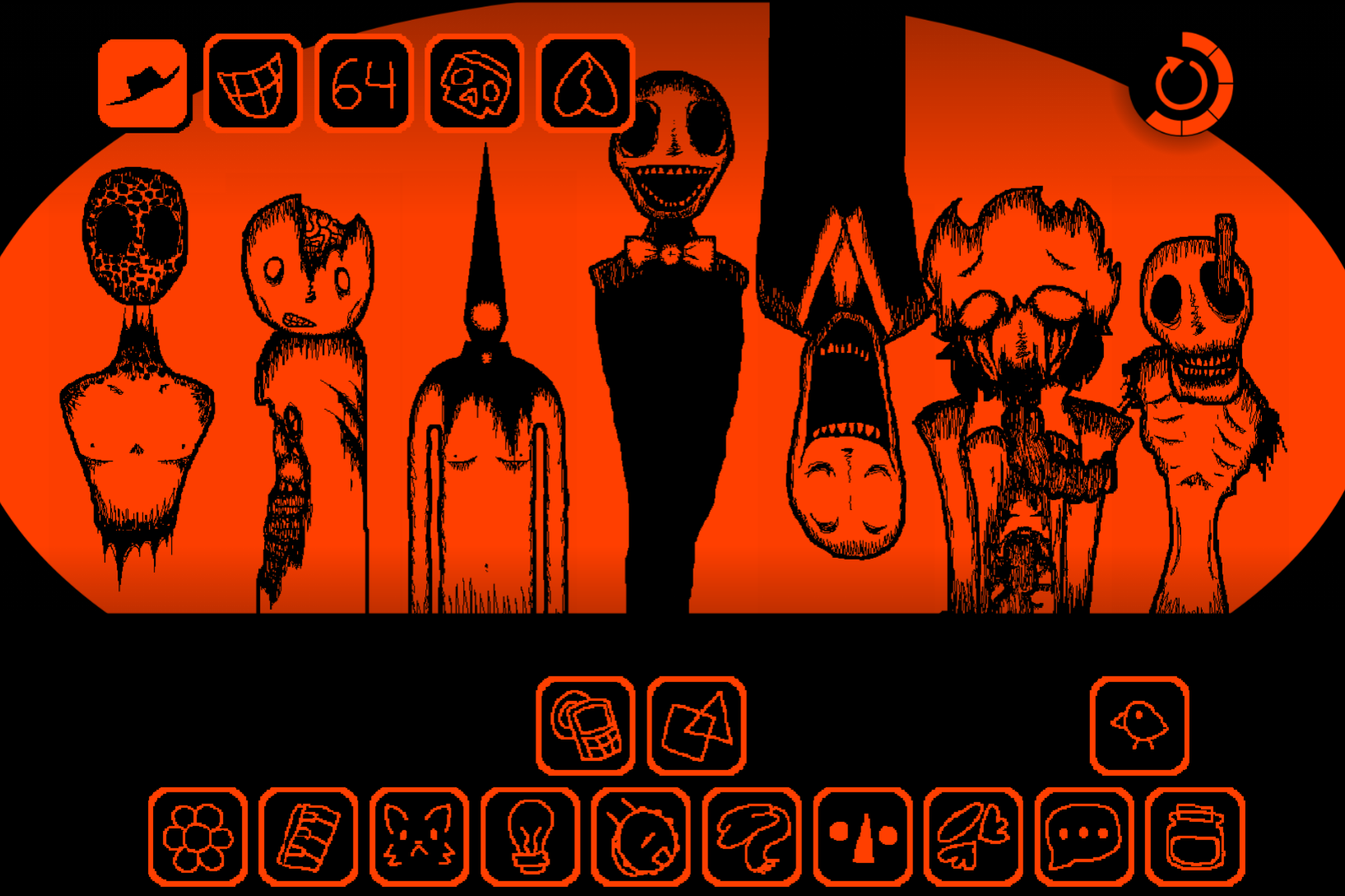
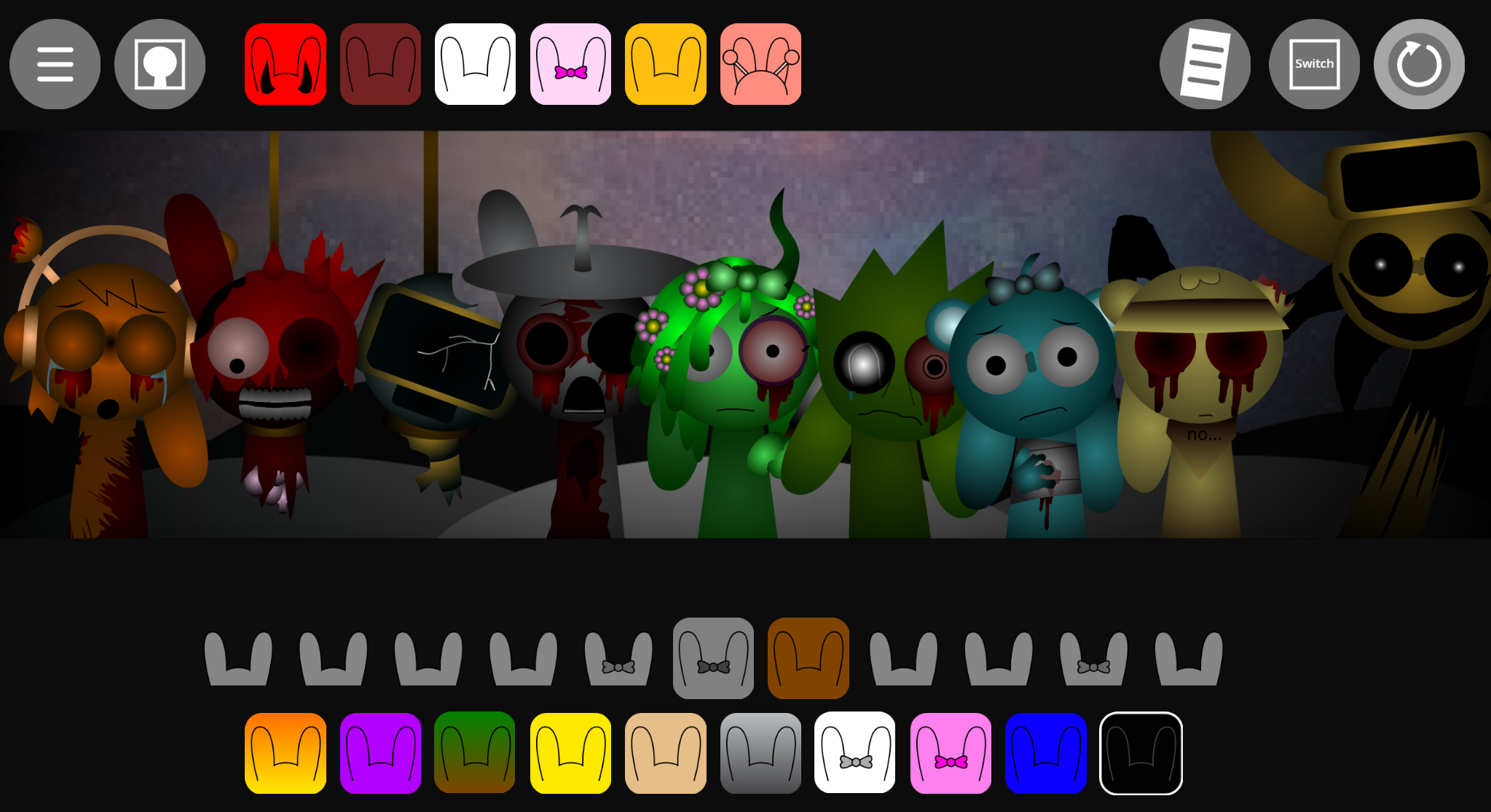
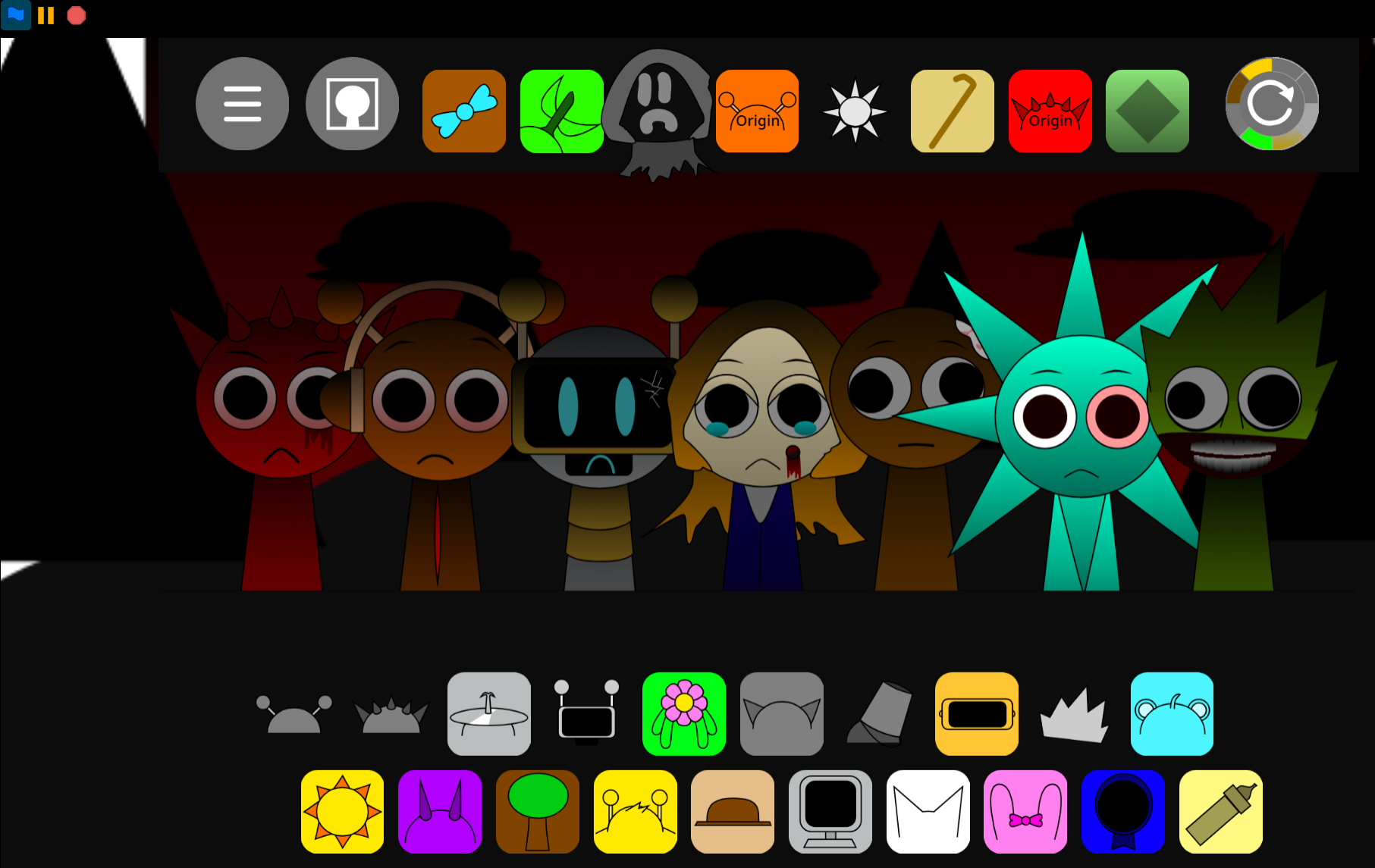
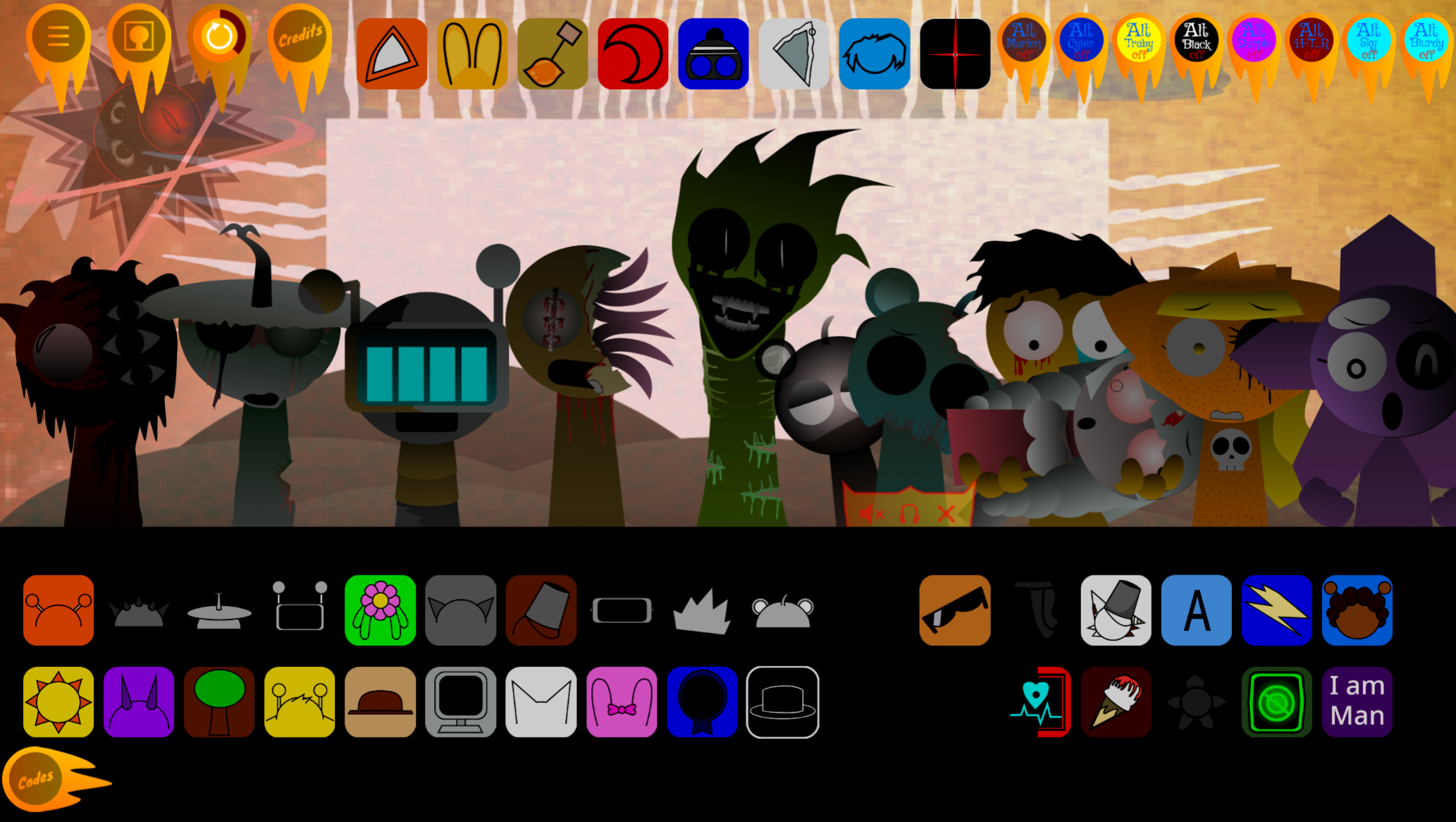
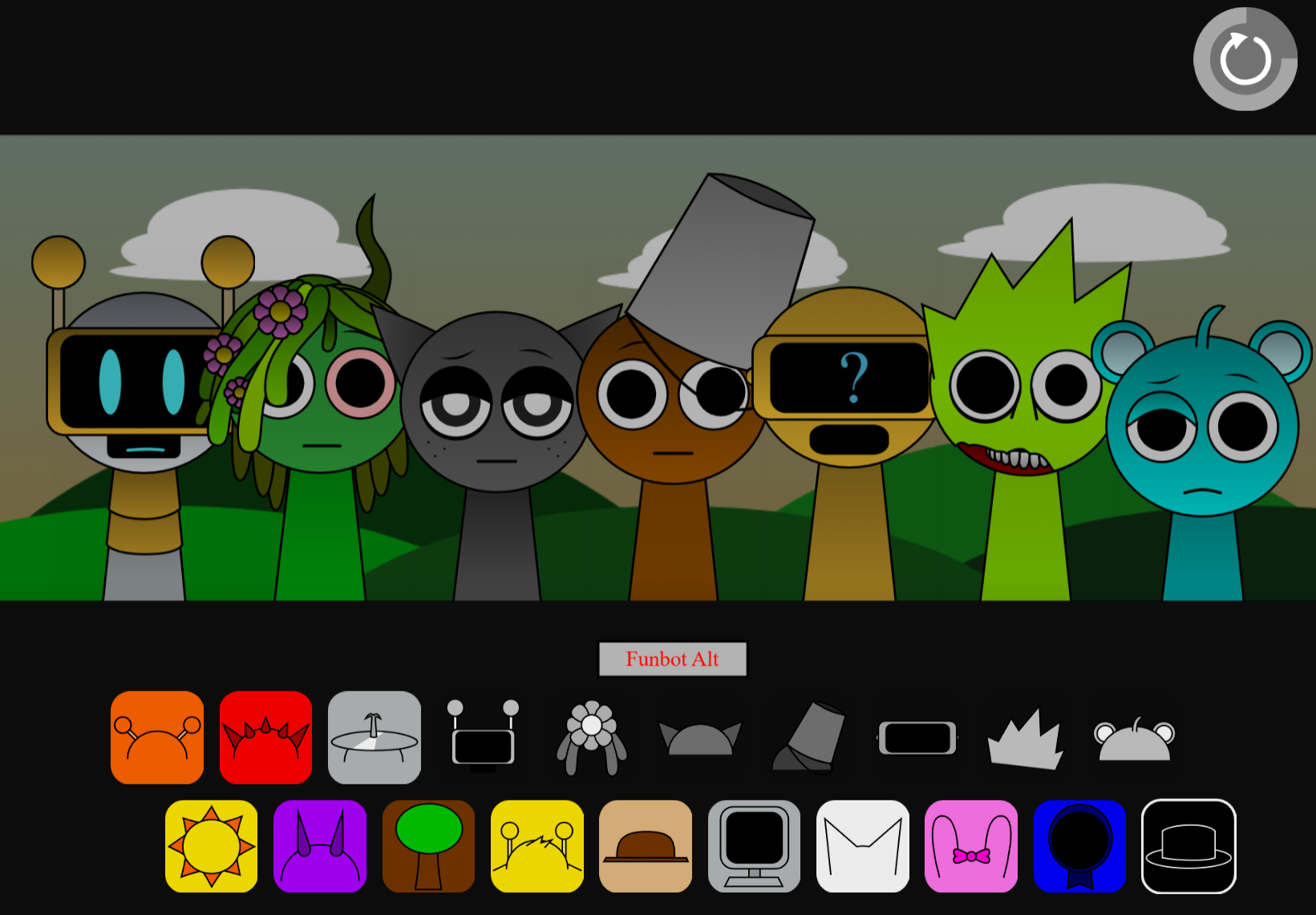

Sprunki Fake Skymon is a character-driven music mod where sound combinations double as narrative evidence, turning rhythm gameplay into active lore discovery.
Players drag loops onto characters to build tracks, but specific arrangements reveal story fragments about three figures—Sprunki, Fake, and Skymon—whose identities shift as you uncover more patterns. This article walks through the clues embedded in each character’s sound behavior, showing how the mod’s horror story unfolds through musical logic rather than cutscenes or dialogue.
The focus here is concrete: which sound triggers which visual change, what those changes mean for each character’s role, and how Sprunki, Fake, and Skymon connect across different track combinations.
Sprunki Fake Skymon
Sprunki Fake Skymon is a music-mixing mod built around impostor paranoia. The real Skymon—a cyan-and-yellow gradient character with bear ears and a scarf—has been replaced by something wearing his image. Players drag sound loops onto characters to build tracks, but each combination also functions as evidence. Beats, melodies, and distorted vocals expose shifts in mood and hint that the world has been corrupted. Layering sounds triggers visual glitches, blackened skies, and harsher audio.
The mod turns Sprunki’s bright performance space into an unstable stage where Horror Mode feels less like an alternate skin and more like the true face of the timeline.
The power of the mod comes from treating music as investigation. Instead of only building rhythm, players test combinations, watch characters for signs of infection, and listen for warnings buried in the mix. Fake Skymon is close enough to the original to fool the eye but wrong enough to disturb. His presence bends the atmosphere, turning playful energy into something paranoid and dramatic.
The Lore: The Anomaly of the Imposter
The central lore revolves around an Anomaly hidden beneath the normal world. At first, the stage follows familiar Sprunki logic: colorful characters, playful sound loops, a recognizable performance space. But that surface is unstable. The arrival of the black hat exposes what has been buried.
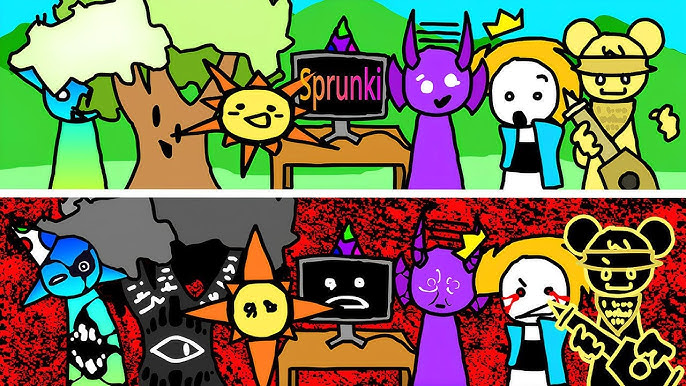
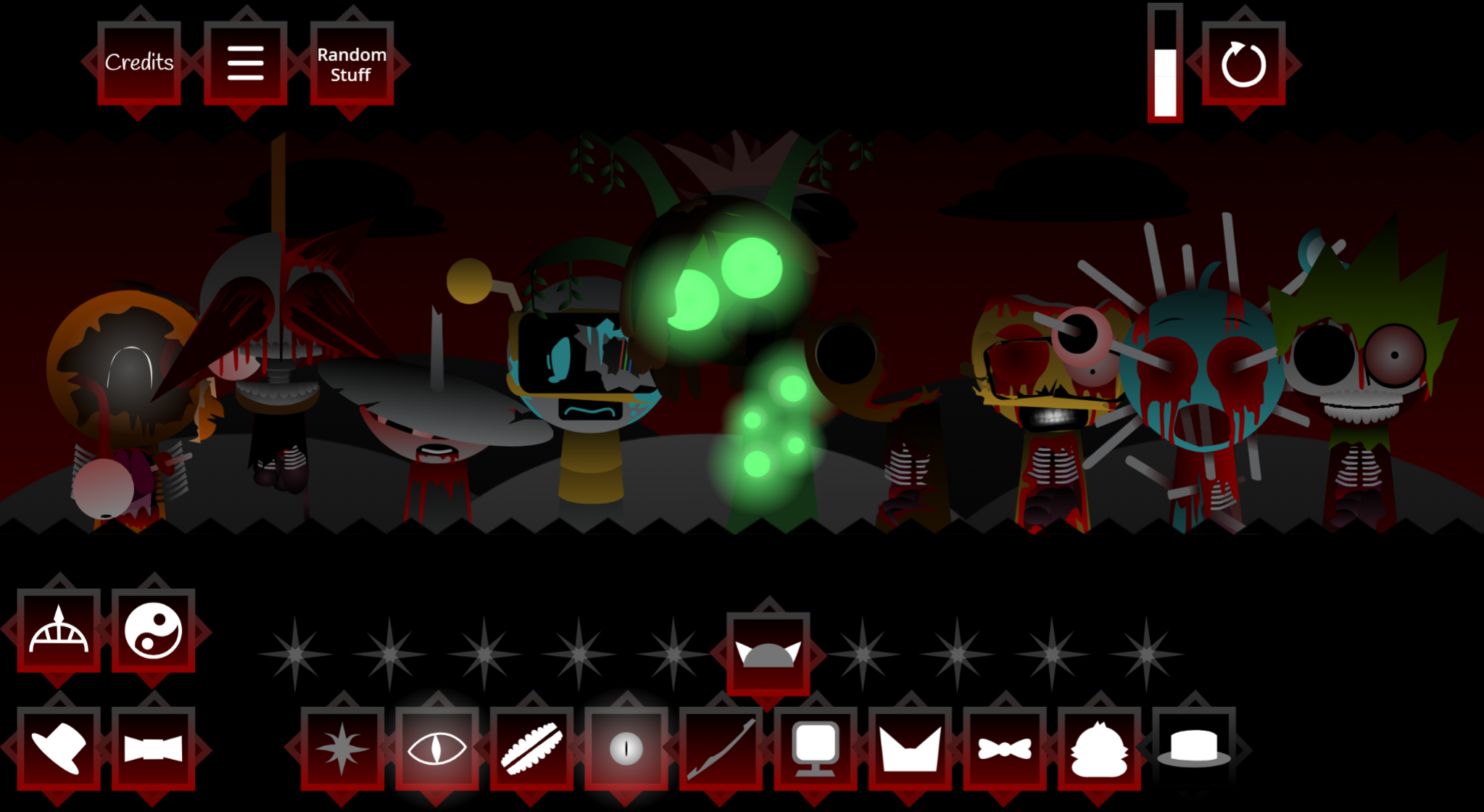
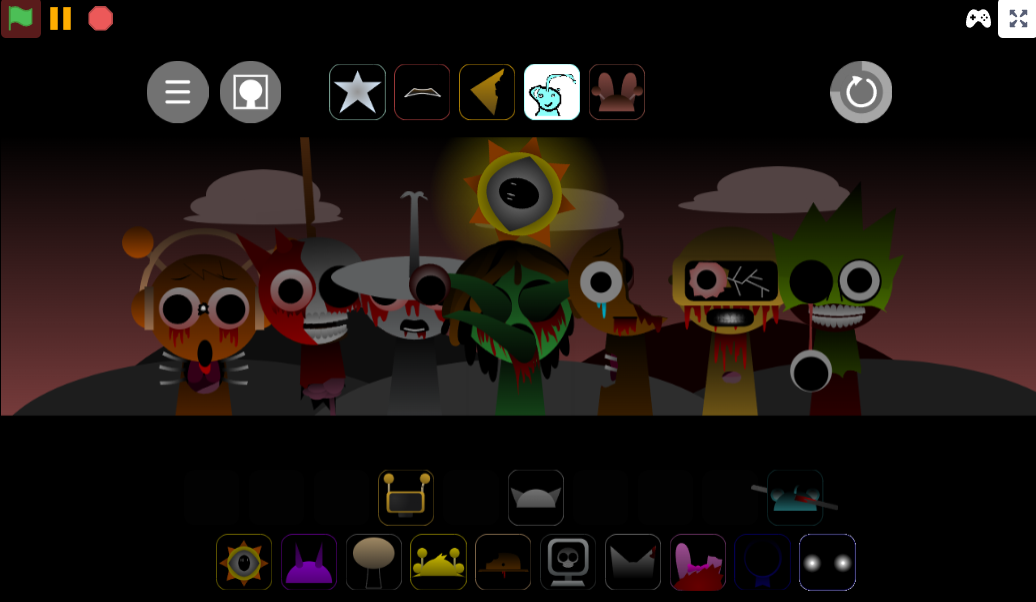
Once the trigger appears, Horror Mode reveals the corrupted timeline. The sky turns black, floating eyes stare from the background, and music loses its cheerful structure. Sounds become harsher and more distorted, as if the stage itself resists the player.
The Imposter is unsettling because he does not behave like a new villain entering the cast. He feels like corruption spreading through what already existed. Characters shift into damaged versions of themselves. Familiar performers become warped evidence. The world transforms piece by piece rather than all at once.
That uncertainty drives the mod’s dark appeal. Sprunki Fake Skymon never fully explains whether the Imposter is a creature, a corrupted copy, a timeline invader, or a force wearing Skymon’s identity. The lack of a complete answer gives players room to investigate. Bright Sprunki energy and corrupted nightmare imagery sit side by side, and the moment the black hat flips the world, every detail must be treated differently.
Features of Sprunki Fake Skymon
Sprunki Fake Skymon expands the usual formula with features that support its fake identity and hidden-lore structure:
- Expanded sound library: More beats, vocals, and melodies let players create mixes that move from playful rhythm into eerie, distorted tension, matching the shift from normal energy to corrupted drama.
- Improved character customization: New outfits, colors, and accessories emphasize the divide between familiar Sprunki characters and the unsettling presence of Fake Skymon.
- Interactive environments: Players can explore and interact while building music, making the world feel affected by the Skymon Anomaly rather than a flat backdrop.
- Upgraded visuals: Smother animations, polished lighting, glitch effects, and sharper horror contrasts make corrupted moments hit harder. The cleaner the normal mode looks, the more disturbing the dark shift becomes.
- Secret bonus combinations: Specific sound mixes unlock special animations, hidden sounds, and surprise effects. Lore clues are often revealed through what players trigger, hear, and see.
- Widescreen and gallery upgrades: Widescreen support, seamless mode switching, and an updated gallery with images, animations, and GIF support make the mod easier to explore, record, and document.
These features make gameplay feel like a cycle of performance and Uncovering. Players ask not only “What sounds good?” but also “What happens if this combination reveals something?”
Comprehensive Character Guide
The Comprehensive Character structure is built around one fact: the real Skymon is gone, and a convincing Fake has taken his place. That replacement changes how every familiar face feels inside the corrupted timeline.
Fake Skymon
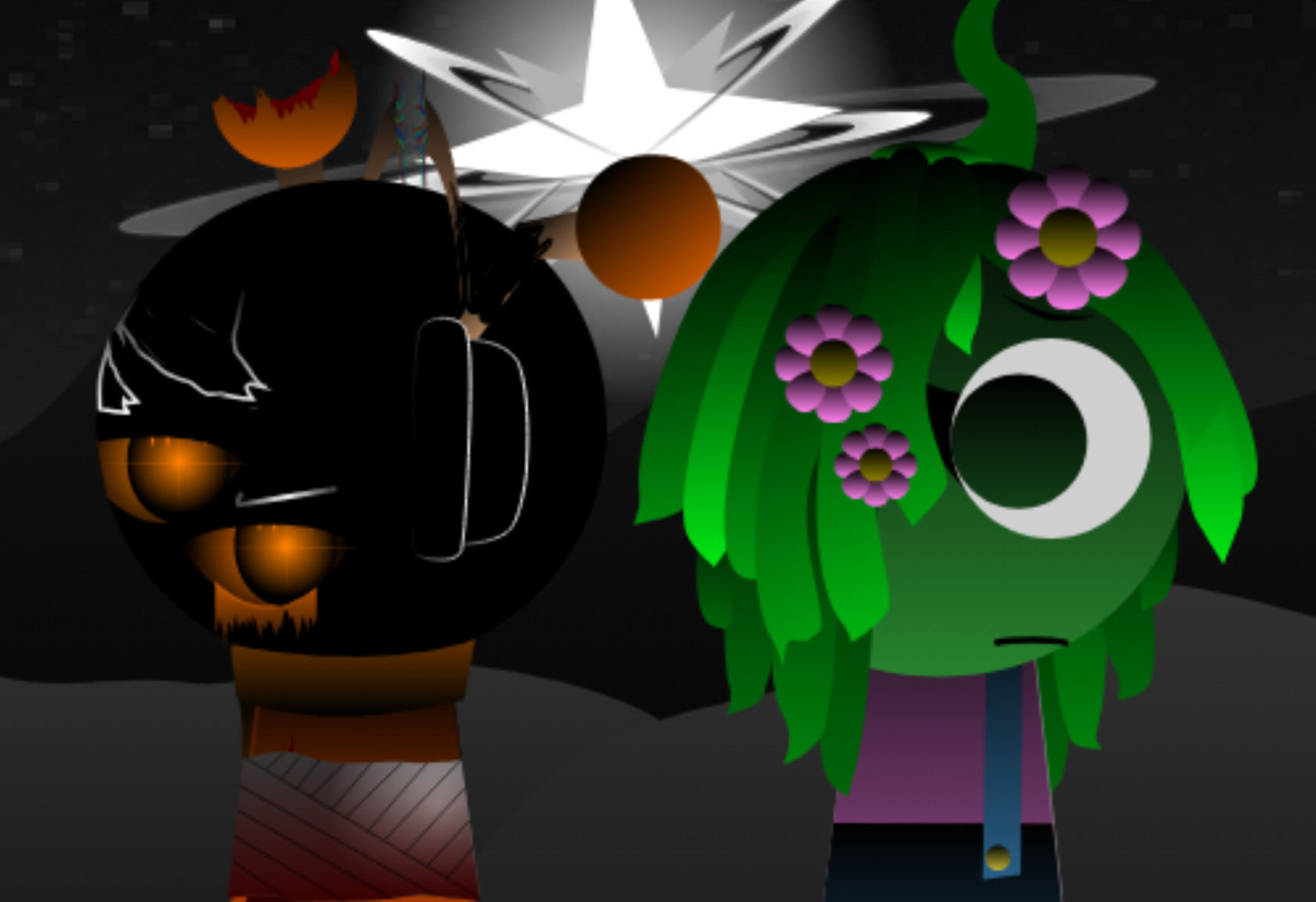
Fake Skymon is the central antagonist and the force controlling the timeline. He keeps enough of Skymon’s recognizable design to deceive at first glance: the cyan-and-yellow coloring, bear ears, and scarf remain. That familiarity makes him dangerous.
Look closer, and the illusion breaks. Fake Skymon feels artificial and emotionally hollow, like a copied character model animated by something that does not understand what Skymon was. His design suggests imitation rather than identity.
His audio deepens the deception. Instead of clean performance, his vocals are distorted and whisper-like, closer to manipulation than music. In the mix, he feels less like a performer and more like the thing controlling the performance.
The Real Skymon
The real Skymon’s absence is the wound at the center of the lore. He does not need to appear constantly for his fate to matter; the entire mod depends on players recognizing that someone has been replaced.
His missing presence turns every appearance of the impostor into evidence. The colors are familiar. The silhouette is close. But the identity is wrong.
That absence gives the mod its emotional weight. Sprunki Fake Skymon is not only about a monster entering the world—it is about the fear that no one noticed the real Skymon was gone until the copy had already taken control.
Simon
Simon functions as the tragic witness to the corruption. His personality reads as paranoid, exhausted, and aware of the replacement before the rest of the cast can process it.
His sound design reflects that fear. Simon’s parts feel hesitant and unstable rather than confident, giving the mix a nervous pulse. He becomes the character most associated with suspicion: someone who senses the performance is no longer safe but may not have the power to stop it.
The Altered Cast
The remaining Sprunki characters appear as corrupted versions of themselves. Their changes show Fake Skymon’s influence spreading across the group, turning the roster into living proof that the Imposter is not just pretending to be Skymon—he is infecting the entire timeline.
Each altered character reinforces the same idea from a different angle. Some look damaged. Some sound distorted. Others feel emotionally emptied out, as if the Anomaly has overwritten part of who they were. The result is a cast that feels familiar enough to recognize but changed enough to distrust.
Related Games
- sprunki oc real — Its focus on original-character identity makes it a natural follow-up to Sprunki Fake Skymon’s lore about a beloved OC being replaced by an imposter.
- Sprunki Phase 7 Definitive Gabs Timeline — The timeline-driven presentation fits readers who want another Sprunki mod built around alternate continuity, character corruption, and lore clues.
- Sprunki Wenda Treatment Dandys World Style — Because Wenda is framed as one of Fake Skymon’s tragic witnesses, this gives lore-focused players a direct next stop for a darker Wenda-centered variation.
How the Mystery Plays Through Music
The strongest part of Sprunki Fake Skymon is the way it makes lore discovery feel active. The player does not simply read about the Imposter. They trigger strange reactions, test sound combinations, and watch the atmosphere change around the performance.
Hidden bonus combinations reveal special animations, unusual audio cues, and visual distortions that feel like fragments of the larger story. Because the mod leaves key questions unresolved, every unlocked effect feels potentially important. A sound might just be a sound—or it might be a trace of the real Skymon, a sign of the Fake’s control, or proof that the Anomaly has spread further than expected.
That ambiguity is why the mod works as dark Sprunki lore. It blurs the line between rhythm gameplay and interactive mystery, asking players to listen closely, experiment carefully, and treat every mix as another step toward understanding who—or what—Fake Skymon really is.