Sprunki Oc Template V1.5 - Build Your Perfect Custom Character in Minutes
Sprunki Oc Template V1.5 is the essential blueprint for bringing your original characters to life within the vibrant Sprunki mod universe, offering a comprehensive framework that transforms scattered creative ideas into polished, community-ready character profiles. Whether you’re crafting a neon-soaked melody maker with razor-sharp synth layers or designing a haunting Horror-form antagonist that unerves other players, Sprunki Oc Template V1.5 provides the structured fields, dual-form support, and costume flexibility you need to build characters that feel authentic, visually striking, and musically cohesive.
New Games
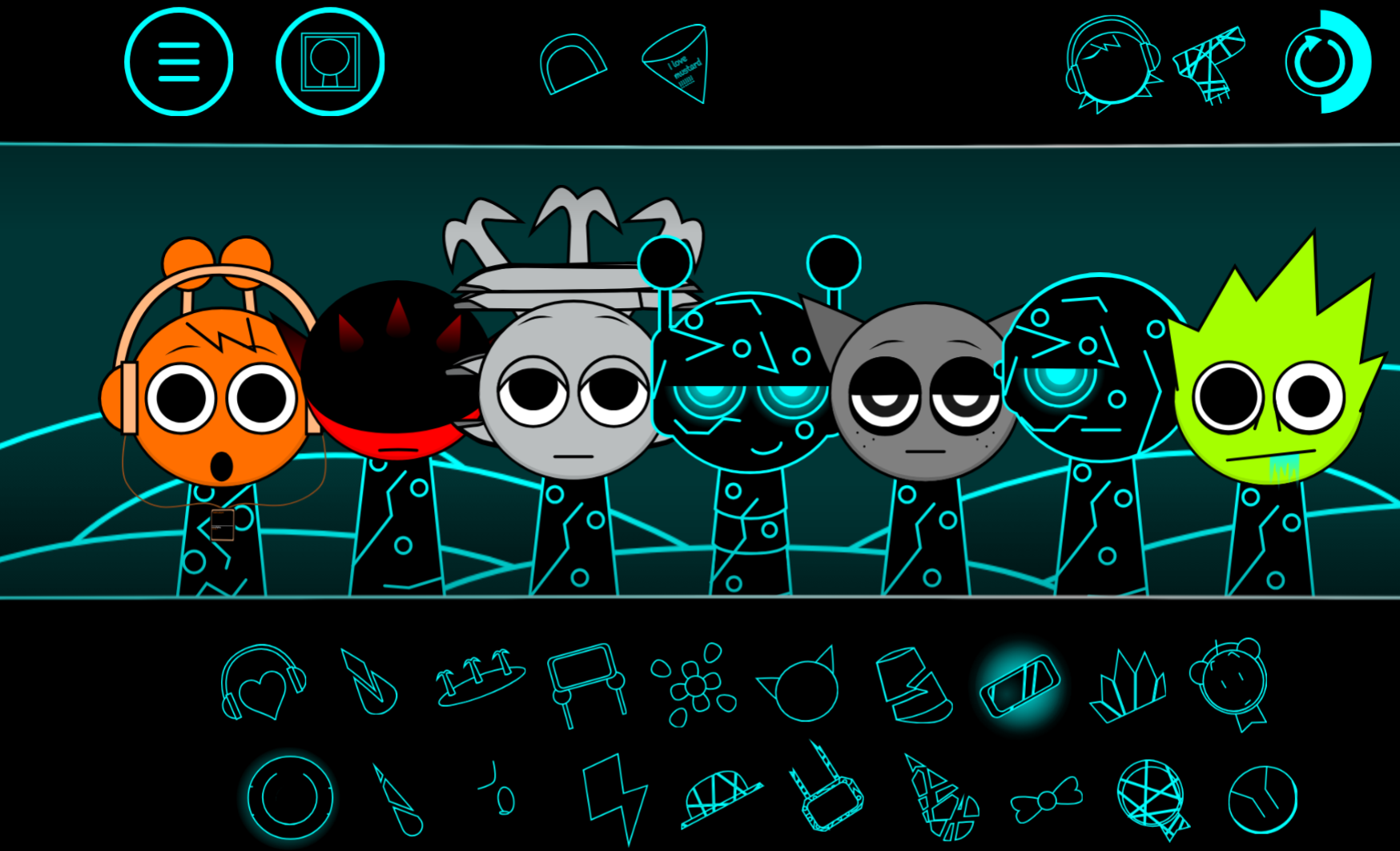
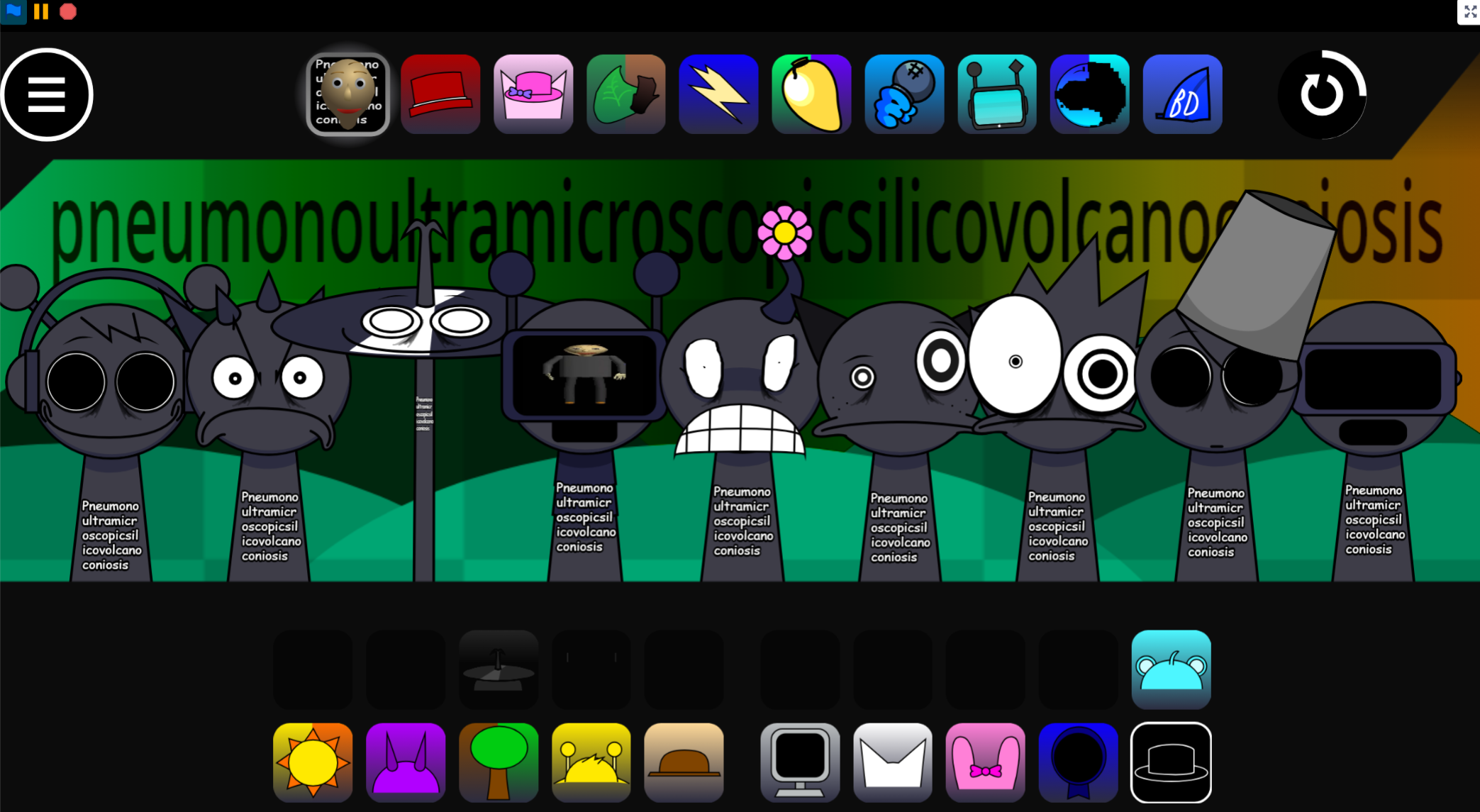
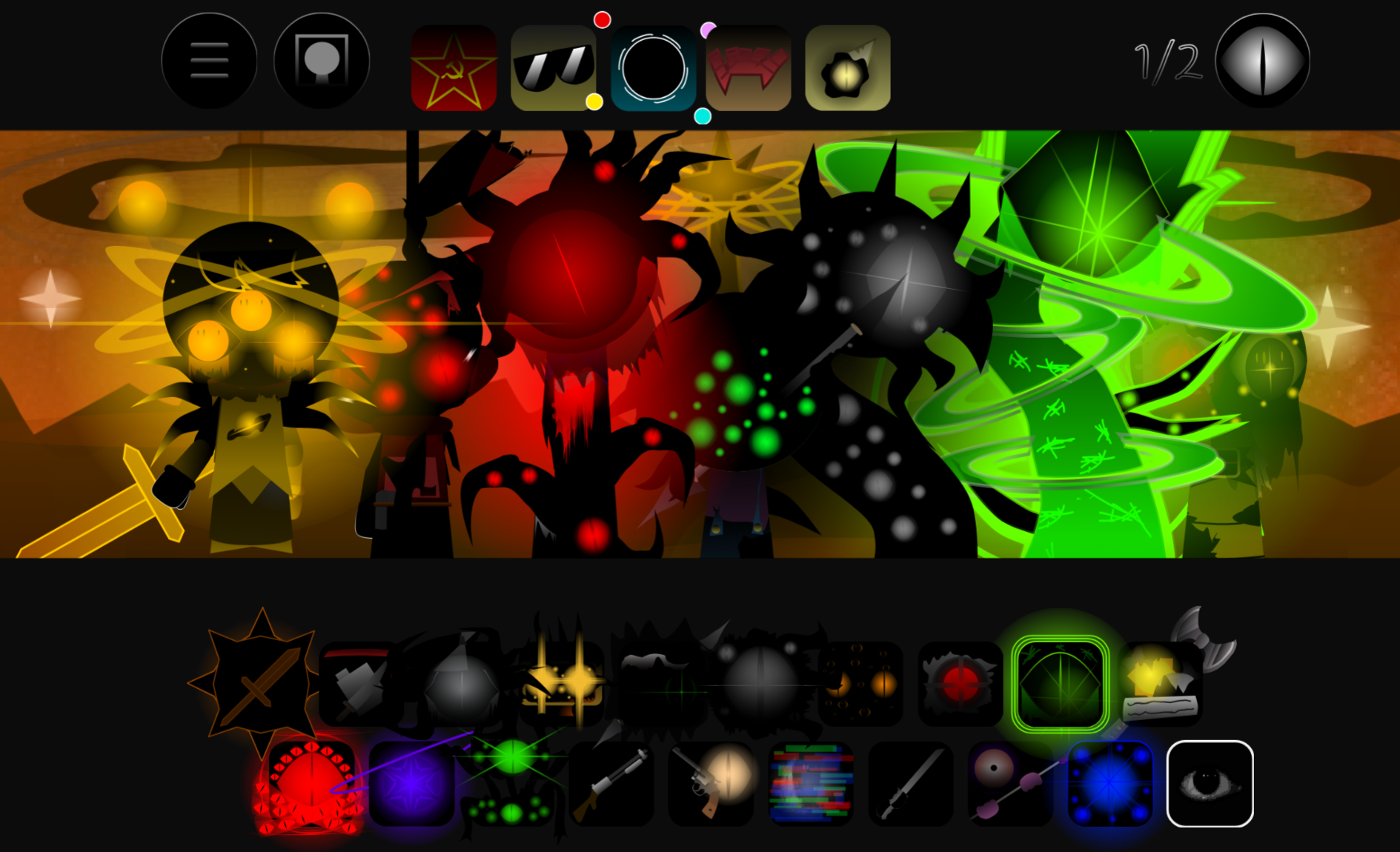
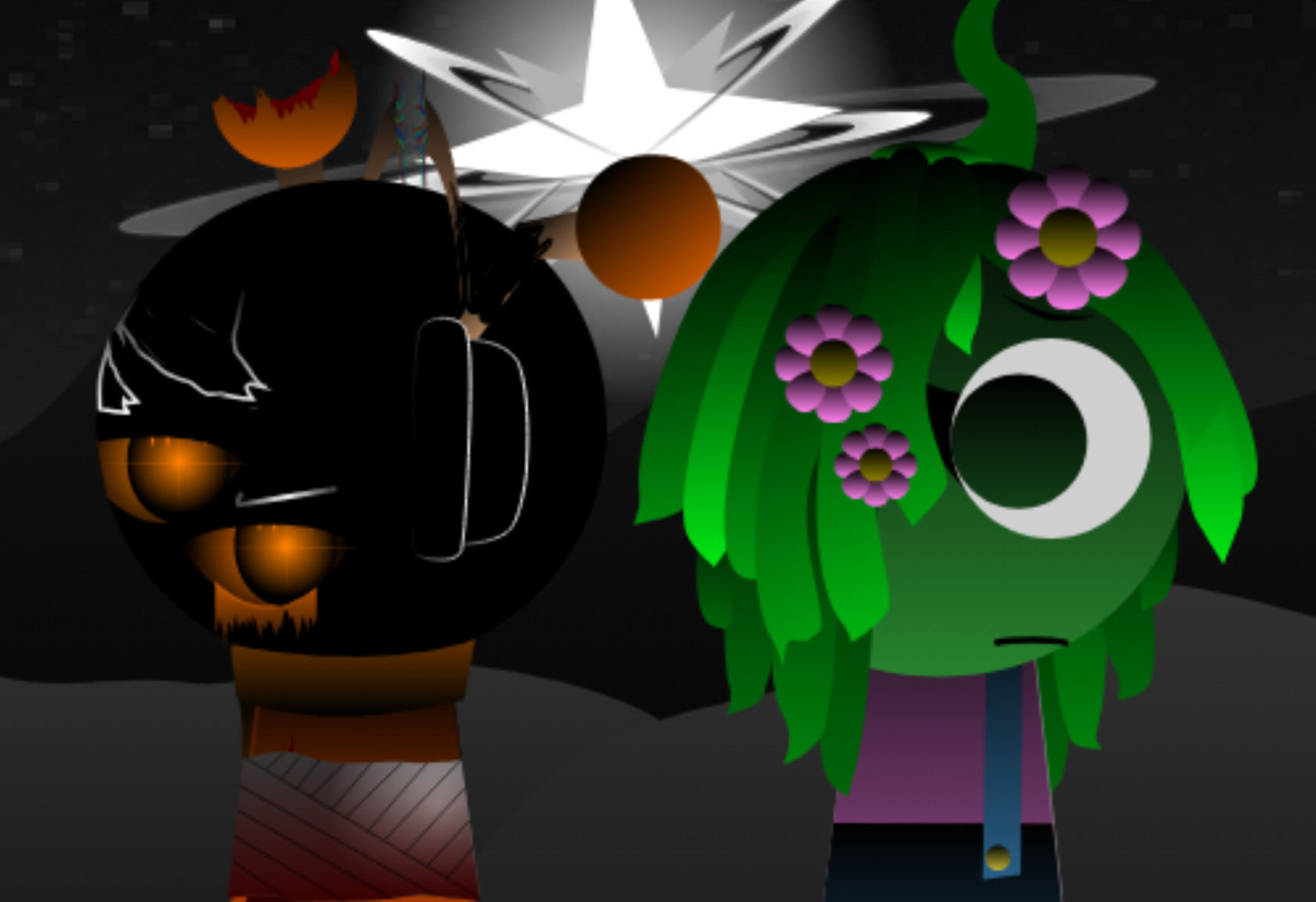
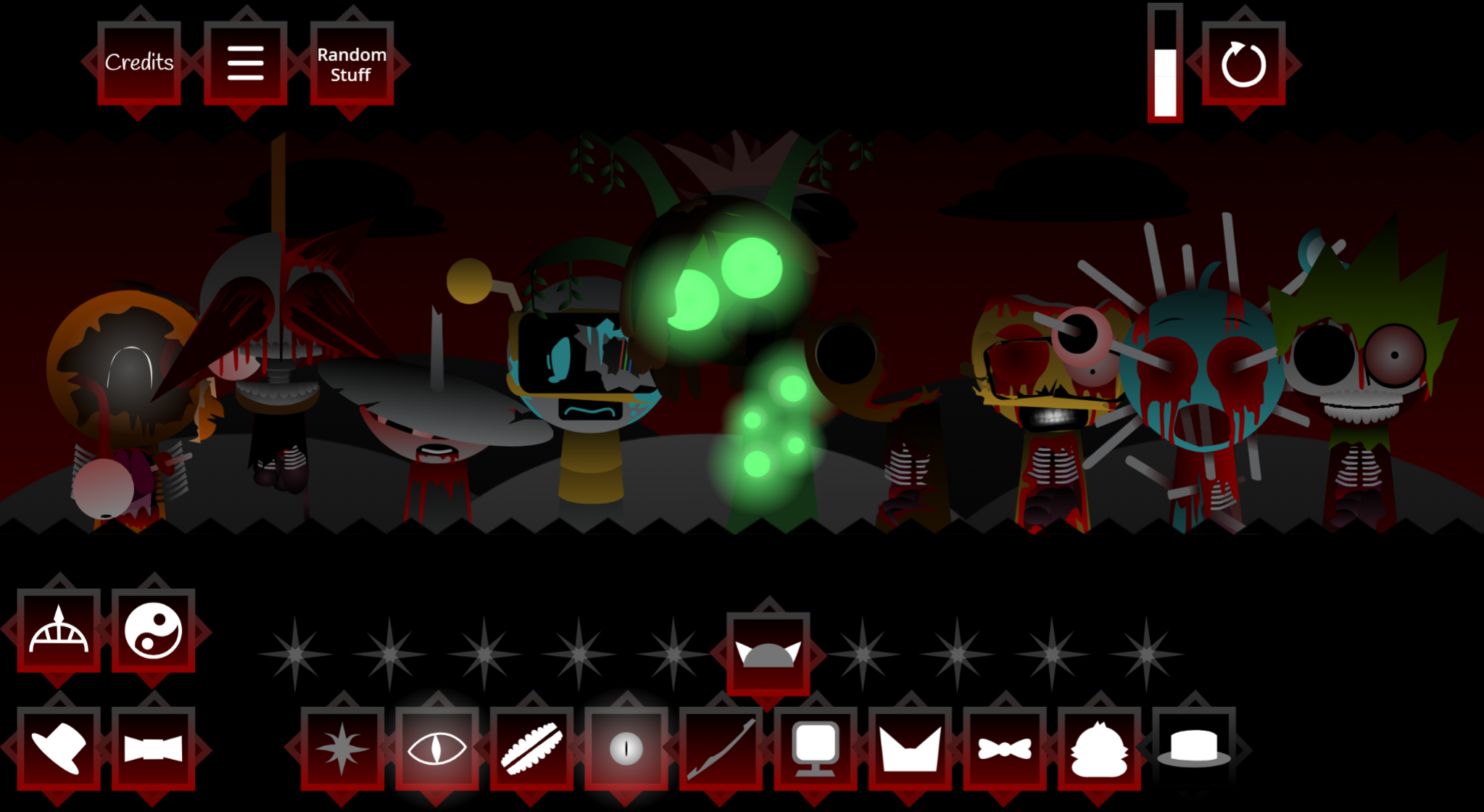
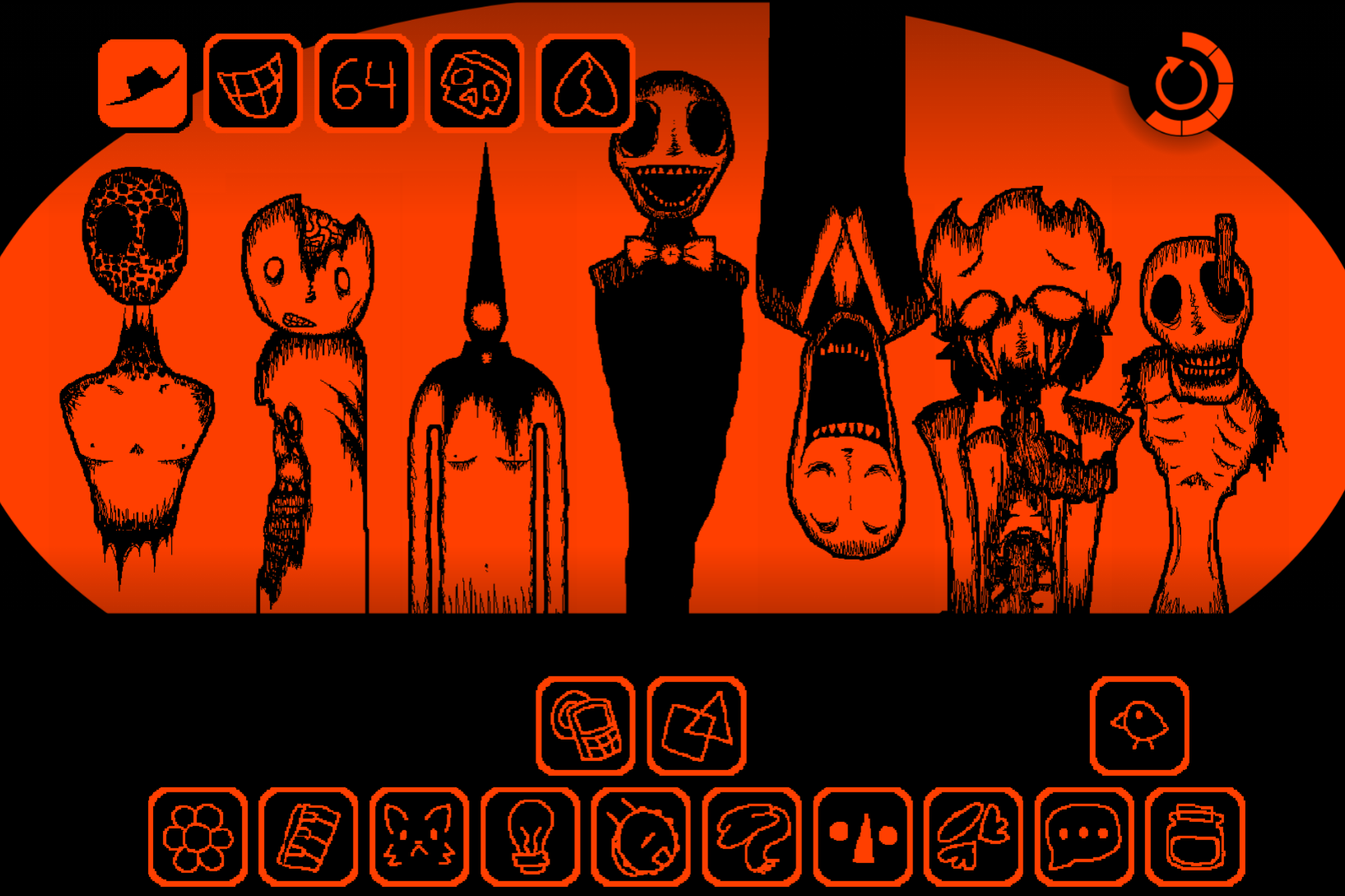
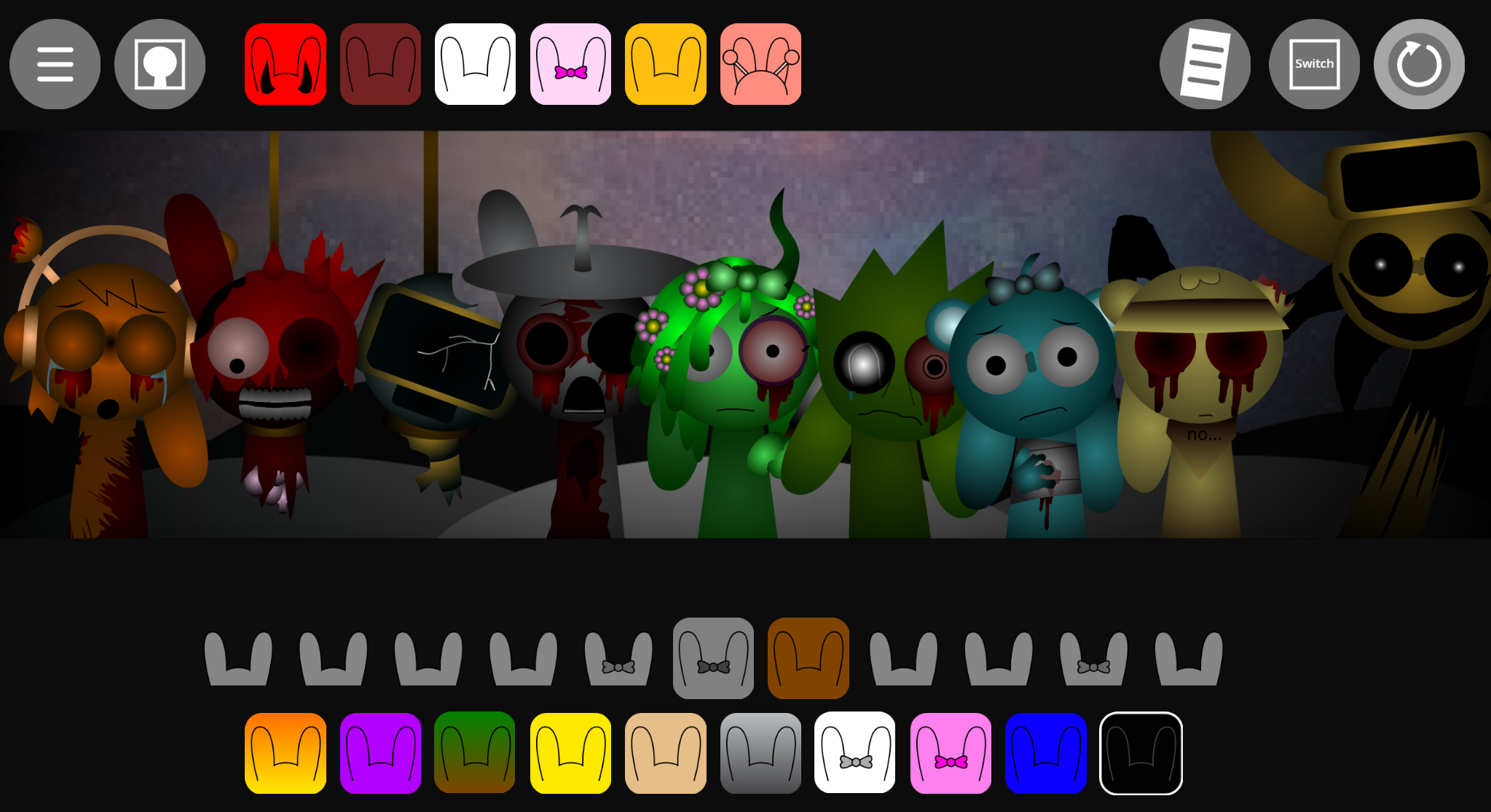
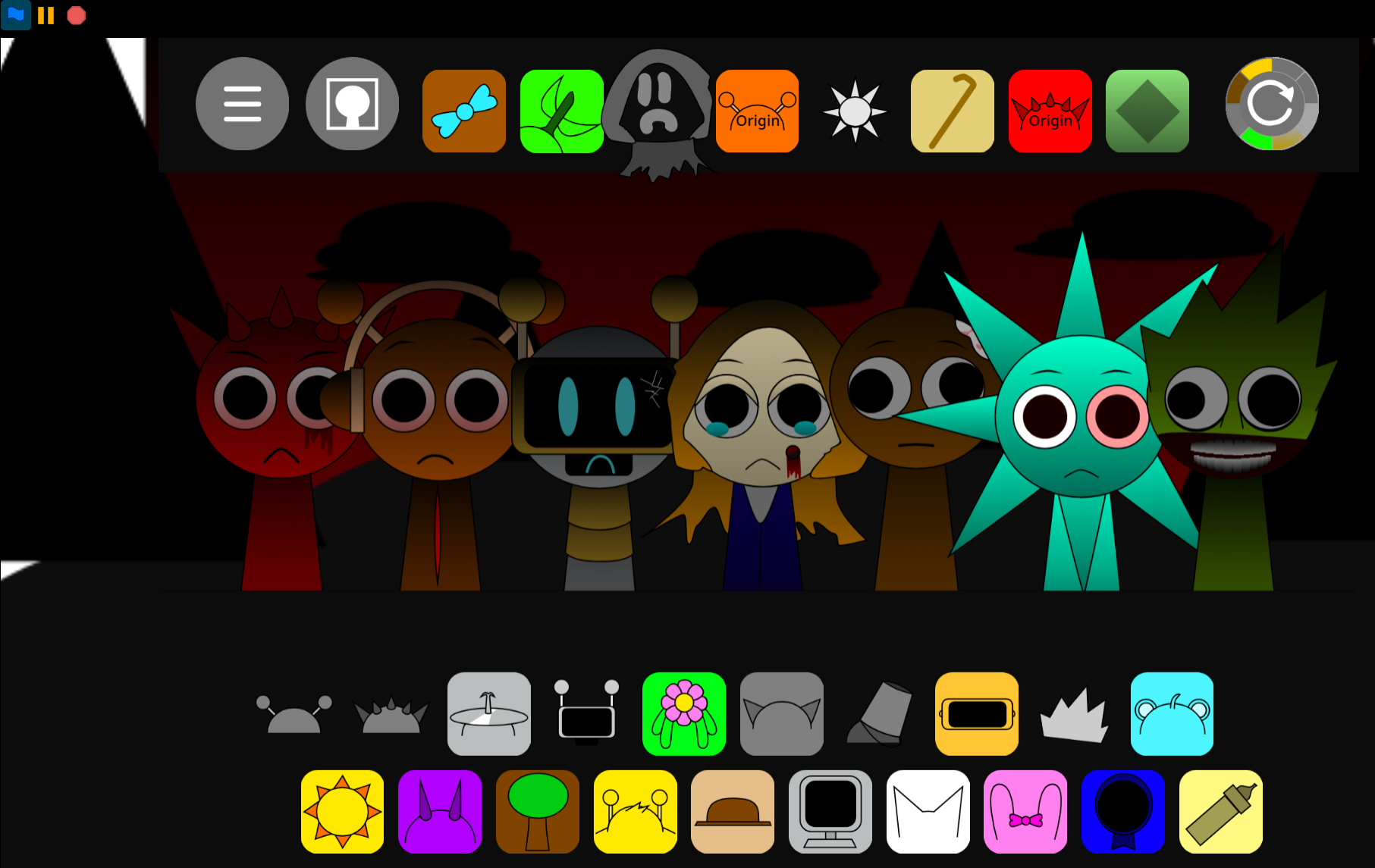
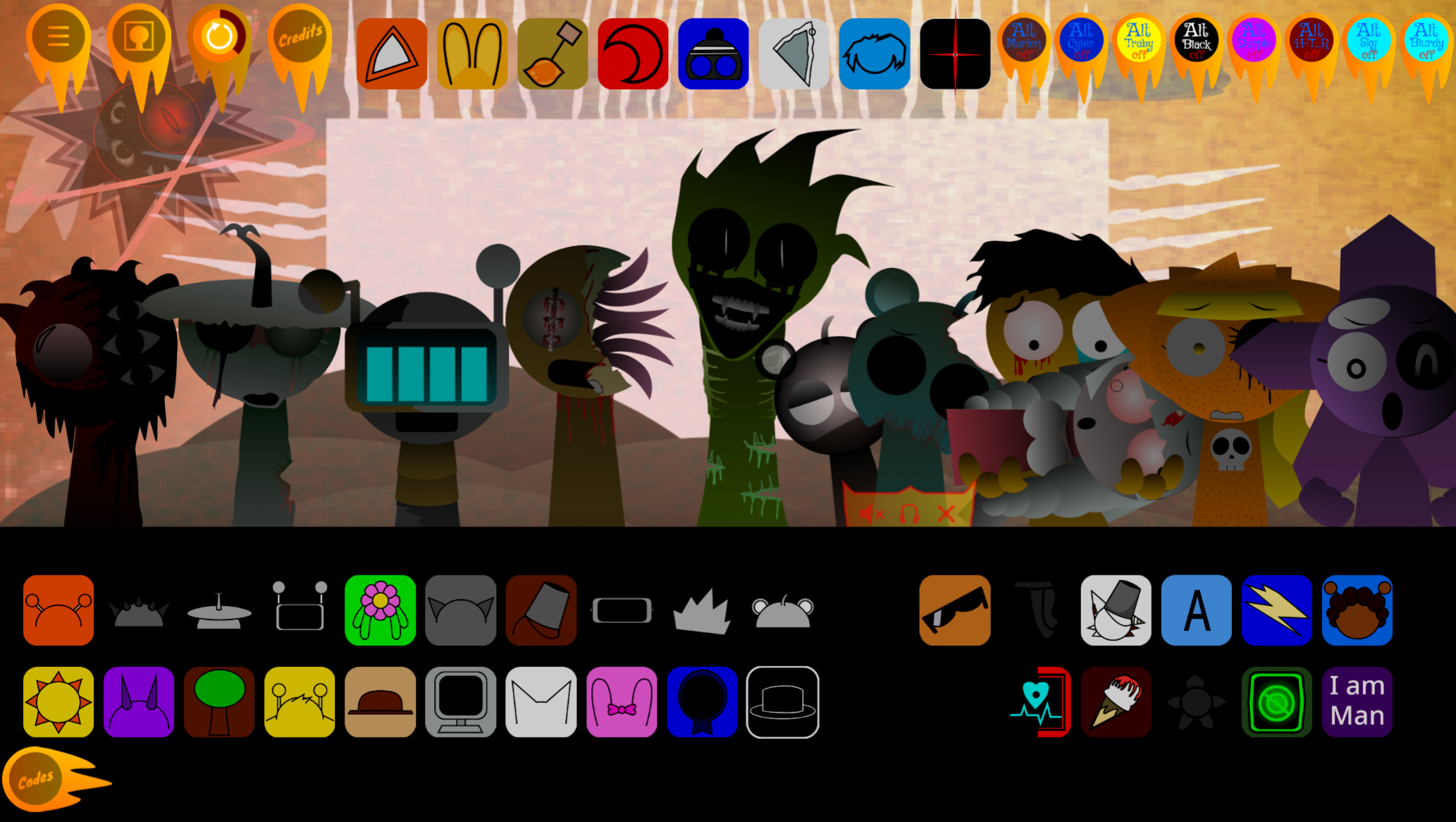
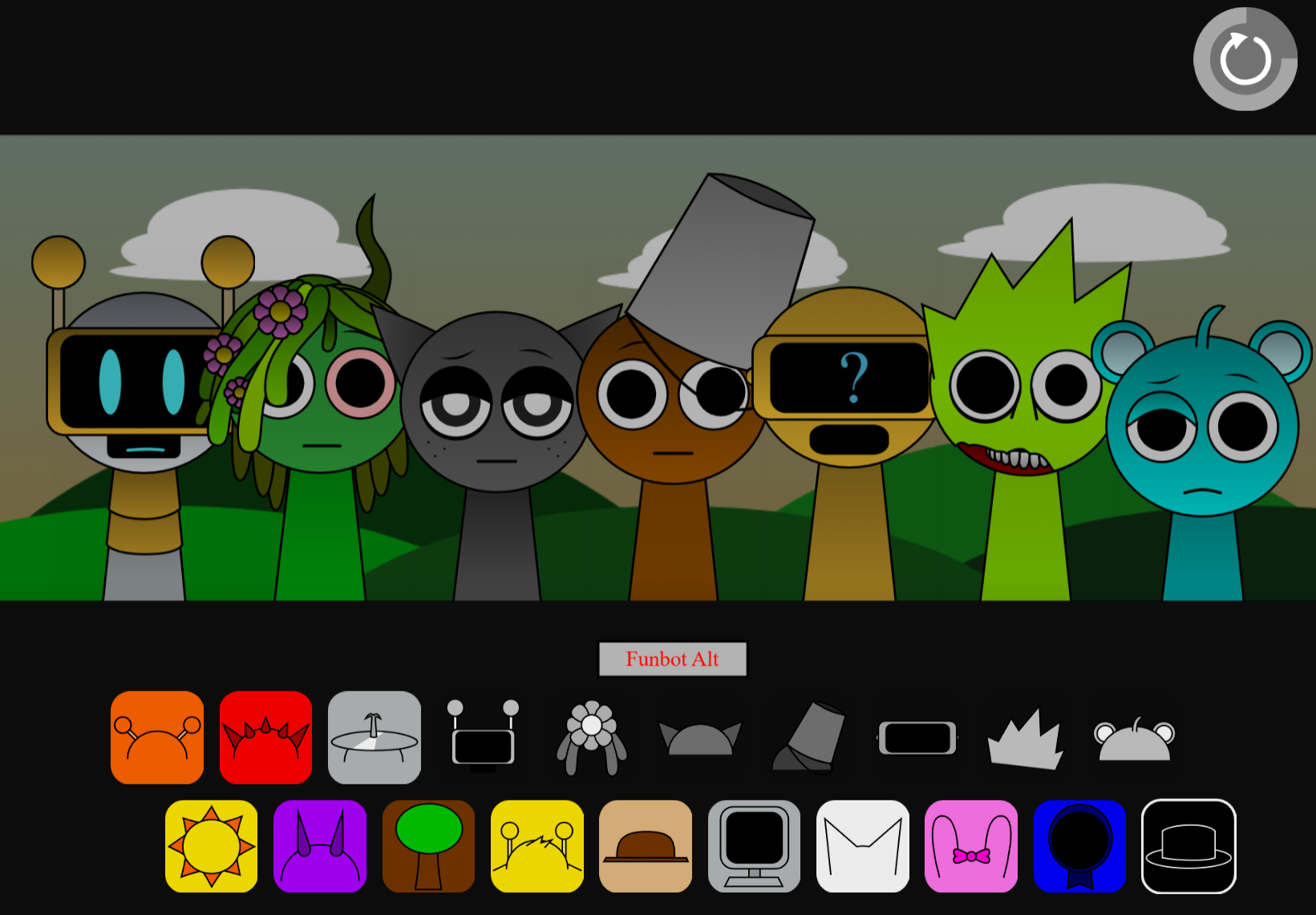
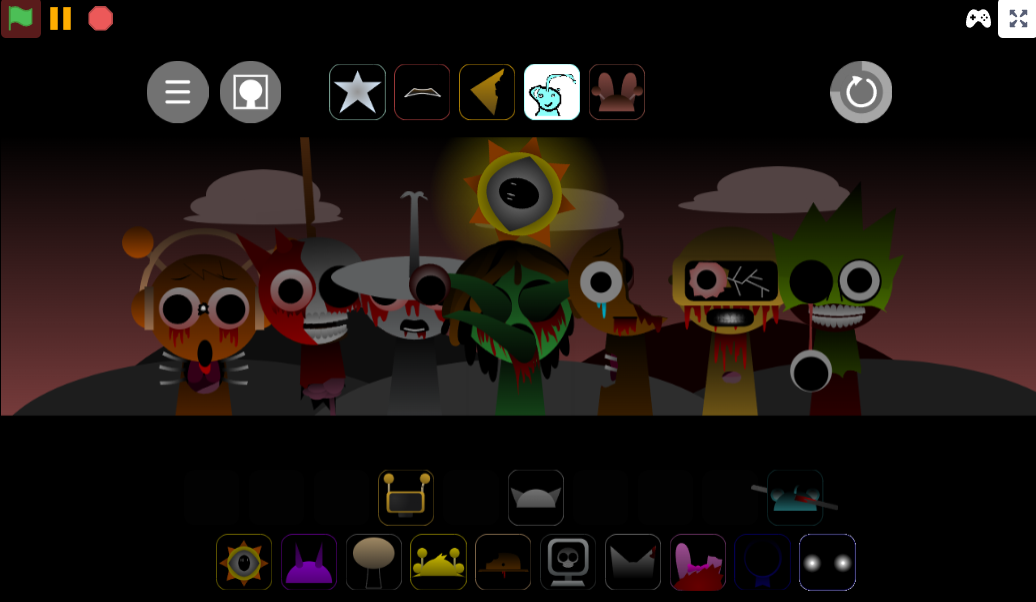
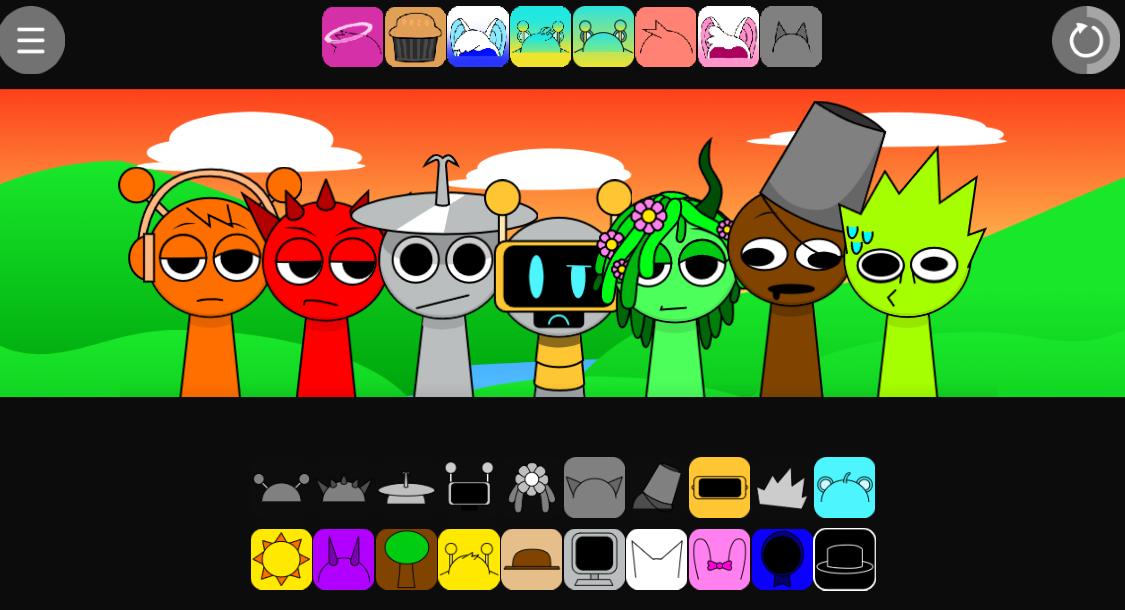
Sprunki OC Template V1.5 is a structured character-creation format that helps you design and document original characters for the Sprunki mod community.
This template provides standardized fields for visual details, personality traits, musical abilities, and backstory elements, letting you build consistent, shareable characters that fit naturally into Sprunki’s rhythm-game world.
This article walks you through each section of the V1.5 template—what information belongs where, how to balance creative freedom with community standards, and which fields matter most when you share your character.
You’ll also find practical tips for adapting the template to different character types and examples that show how small details strengthen your design.
What Is Sprunki Oc Template V1.5?
Sprunki OC Template V1.5 is a structured format designing and presenting original characters within the Sprunki mod community. Rather than focusing on music-mixing gameplay, it provides fields and prompts for defining an OC’s appearance, personality, relationships, sound role, and alternate forms. Creators use it to organize character concepts for art, videos, roleplay, fan projects, or community posts.
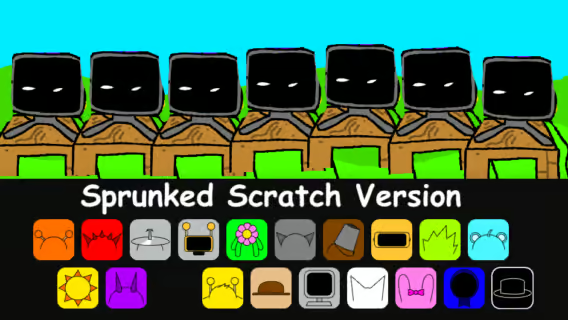
The Template supports visual customization including hairstyles, eye styles, outfits, accessories, color palettes, and costume variations. A character’s beat, effect, or melody role can also inform the design, connecting visual identity to Sprunki’s musical setting.
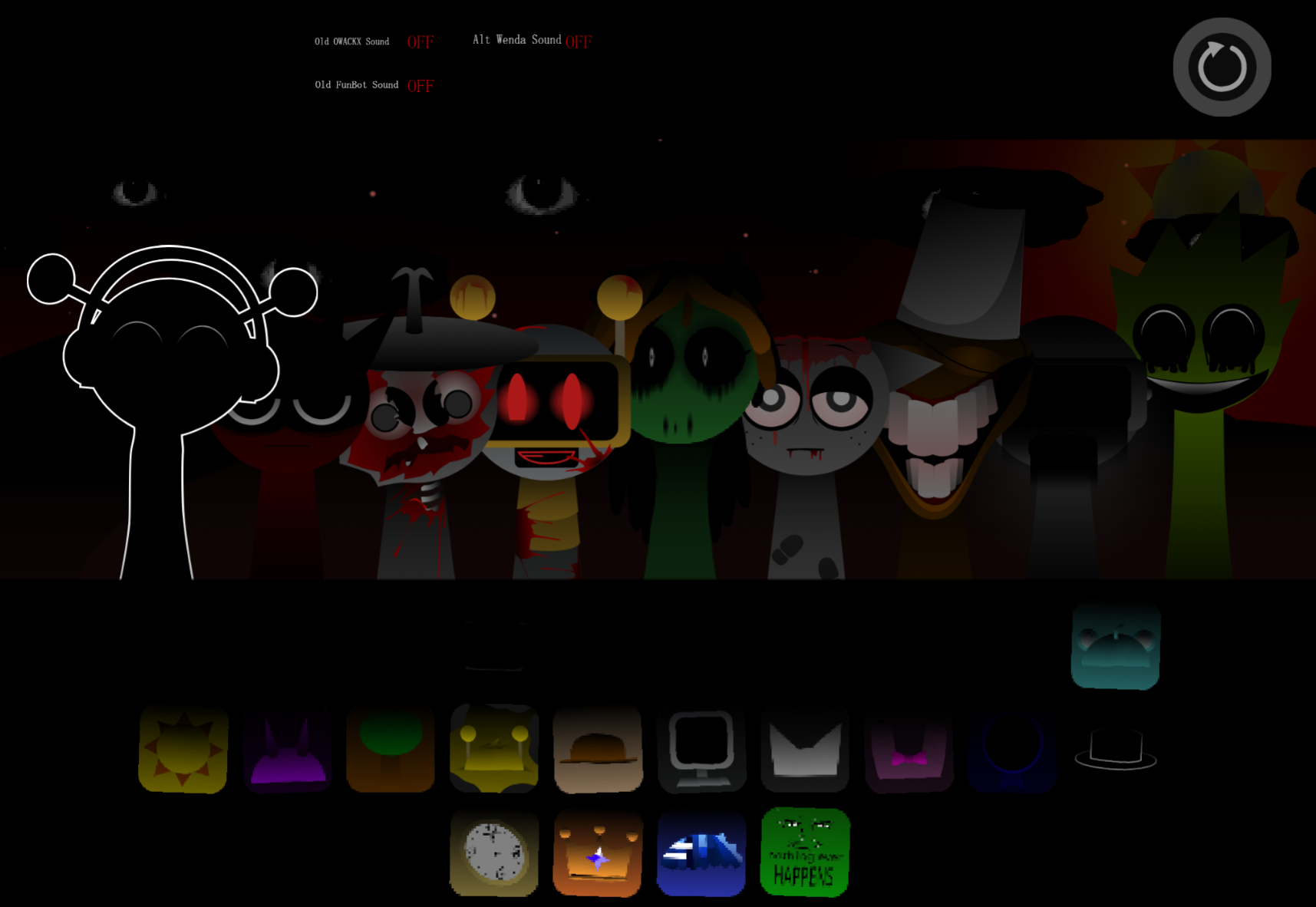
Version 1.5 includes Phase 2 updates: clearer, louder audio, refreshed animations, and a more dramatic background. It also features a distinctive detail where the character Simon constantly stares toward Brud regardless of placement, though he never looks directly forward. This interaction adds personality to screenshots and character arrangements.
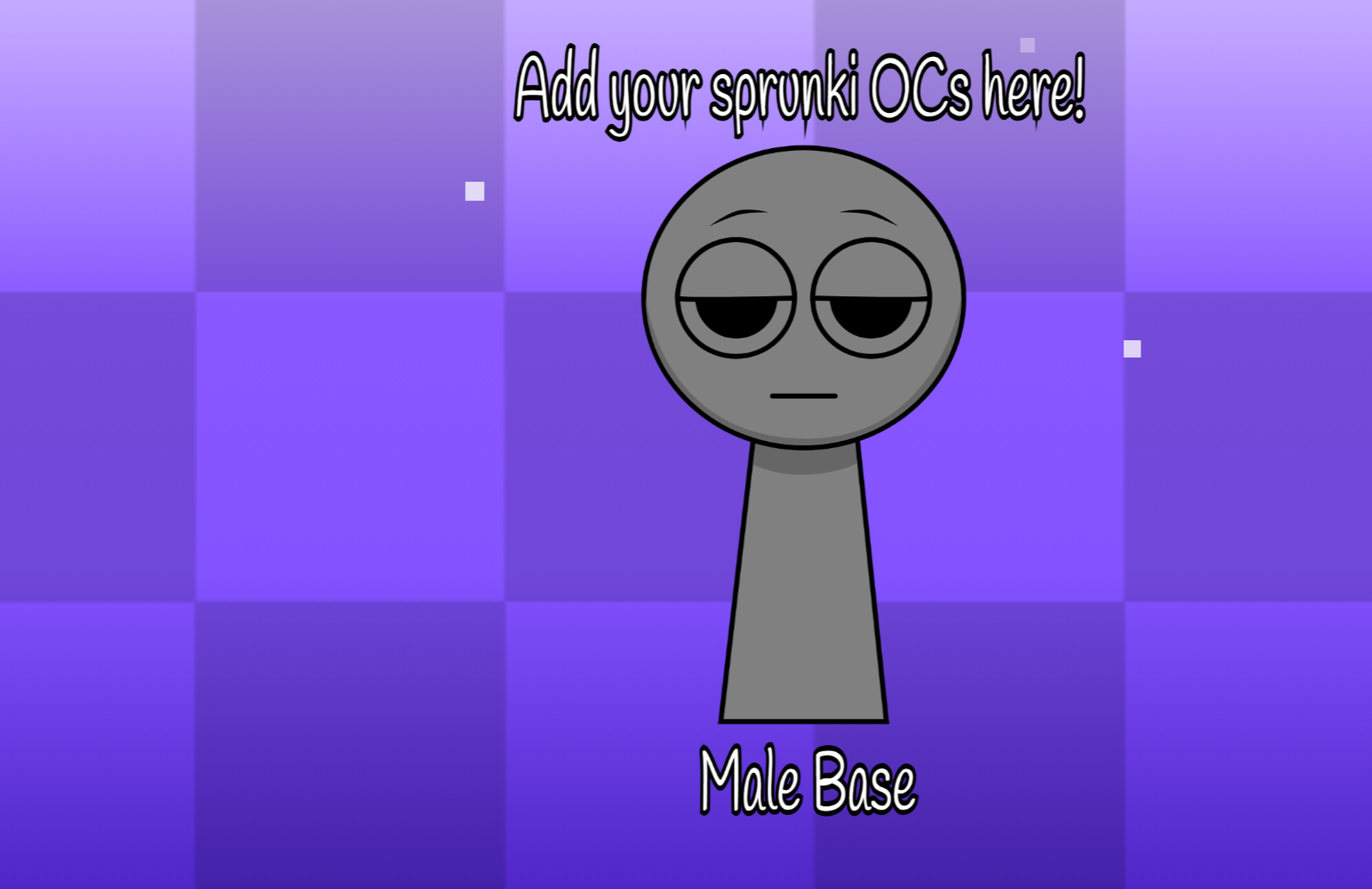
Community discussion has shaped how the Template is used. Creator @LazyDmjeKingYT clarified that multiple OCs can be represented through different costumes, making the format practical for building full casts rather than single characters. Players have requested additions including female bases, hand models, and references to the original cast.
Why Use Sprunki Oc Template V1.5?
The Template provides a character-focused way to engage with Sprunki beyond arranging sounds. It lets you turn an idea into a recognizable profile—a neon street-fashion melody maker, an eerie effects character, or an Infected-inspired performer with darker colors and uneasy sound cues.
Its structure combines story and presentation. You establish what the character looks like, how they behave, what they sound like, and how their Normal and Horror forms differ. Different costumes can represent alternate looks, variations, or separate OCs, while the layout organizes details for others to read.
How to Use Sprunki Oc Template V1.5
Open the Template’s “View source” option and copy the code for your own OC page or remix. The source layout provides prompts that you replace with character information.
Choose a quote layout.
The Template includes multiple quote-style formats. Pick one that matches the character’s mood, dialogue, or tone.
Complete core identity fields.
Fill in character name, color, type or category, aliases, sound, gender, and relationships. These details establish the OC’s foundation.
Build Normal and Horror forms.
V1.5 separates these forms so each has its own appearance information. Use the personality, trivia, and interactions sections to show what changes between forms and what stays the same.
Use costumes deliberately.
Different costumes can represent alternate outfits, variants, or multiple OCs. When working with a remix that supports character placement and sound layers, arrange characters for visual composition as well as balanced audio.
Check examples and remixes.
Existing remixes show how creators format sections, write character interactions, and present visual ideas. Active admins can clarify how the source layout works.
Design Your Own Sprunki Character
Start with a simple concept: decide what the character contributes to the world before choosing every visual detail. Their sound role provides direction. A heavy beat character may suit bold colors and an imposing silhouette, while a melodic character may work better with softer tones or playful accessories.
Build outward from that concept:
- Define the mood first. Choose whether the OC is bright, quirky, dramatic, mysterious, or unsettling.
- Create a recognizable silhouette. Hairstyles, eye styles, clothing, and accessories should work together. A limited palette or repeated shape makes a design easier to recognize.
- Connect appearance to sound. Sharp, high-energy rhythm can match vivid colors and angular accessories. Softer synth layers can support calmer colors or cleaner clothing.
- Use both forms to tell a story. The Horror form can reveal a hidden trait, change how relationships are perceived, or exaggerate a feature already present in the Normal design.
When using an interactive remix, experiment with beats, effects, and melodies through the drag-and-drop system. Each character placement contributes a separate sound layer. Test combinations and adjust volume levels until the sound identity supports the character concept.
Styling Tips for Creators
- Align outfit with personality. A neon-bright street performer, electronic phantom, and quiet beatmaker should not use the same styling language. Let the OC’s role guide colors, expressions, and accessories.
- Make arrangement part of the design. For screenshots or roster presentations, place a lead OC at the visual center and use supporting characters to frame them. Contrast in color, silhouette, and expression clarifies who the viewer should notice first.
- Refine the mix, not only the look. Dramatic sounds work best with equally bold presentation. If one OC is meant to feel subtle, lower competing layers so their musical presence remains clear.
- Use costumes as a flexible tool. Since multiple OCs can be added as different costumes, one Template can function as a compact collection for alternate forms, family members, or a larger cast.
- Treat feedback as part of creation. Share the profile or remix, then note whether others understand the intended mood, sound role, and relationships. Community responses reveal which visual choices read clearly and which need stronger explanation.
Related Games
- sprunki retake added oc — Its focus on adding an original character makes it a natural follow-up for players who want to take a custom OC concept from the V1.5 design template into a Sprunki music-mixing setting.
- sprunki oc retake 28 — This OC-centered Retake variant offers another character-driven Sprunki experience for creators seeking inspiration after experimenting with costumes, colors, and personalities in the template.
Can You Add Multiple Characters to One Template?
Yes. Creator @LazyDmjeKingYT confirmed that you can add various OCs as different costumes within the same Template file. This approach keeps related characters organized in one location and allows you to switch between them without maintaining separate pages for each design.