






Sprunki Phase 1.25 Player Baldis Take - The Dark Rhythm Mod That Transforms Your Music Creation
Sprunki Phase 1.25 Player Baldis Take merges the drag-and-drop music creation of Sprunki with the unsettling atmosphere of Baldi’s Basics, crafting a rhythm experience where every character placement feels like a step deeper into a hidden bad-ending route. This transitional phase sits between the colorful accessibility of base Sprunki and the full corruption of later horror phases, using an empty Player slot as its haunting centerpiece—a visual anchor that transforms casual loop-building into a deliberate, lore-heavy investigation.
New Games
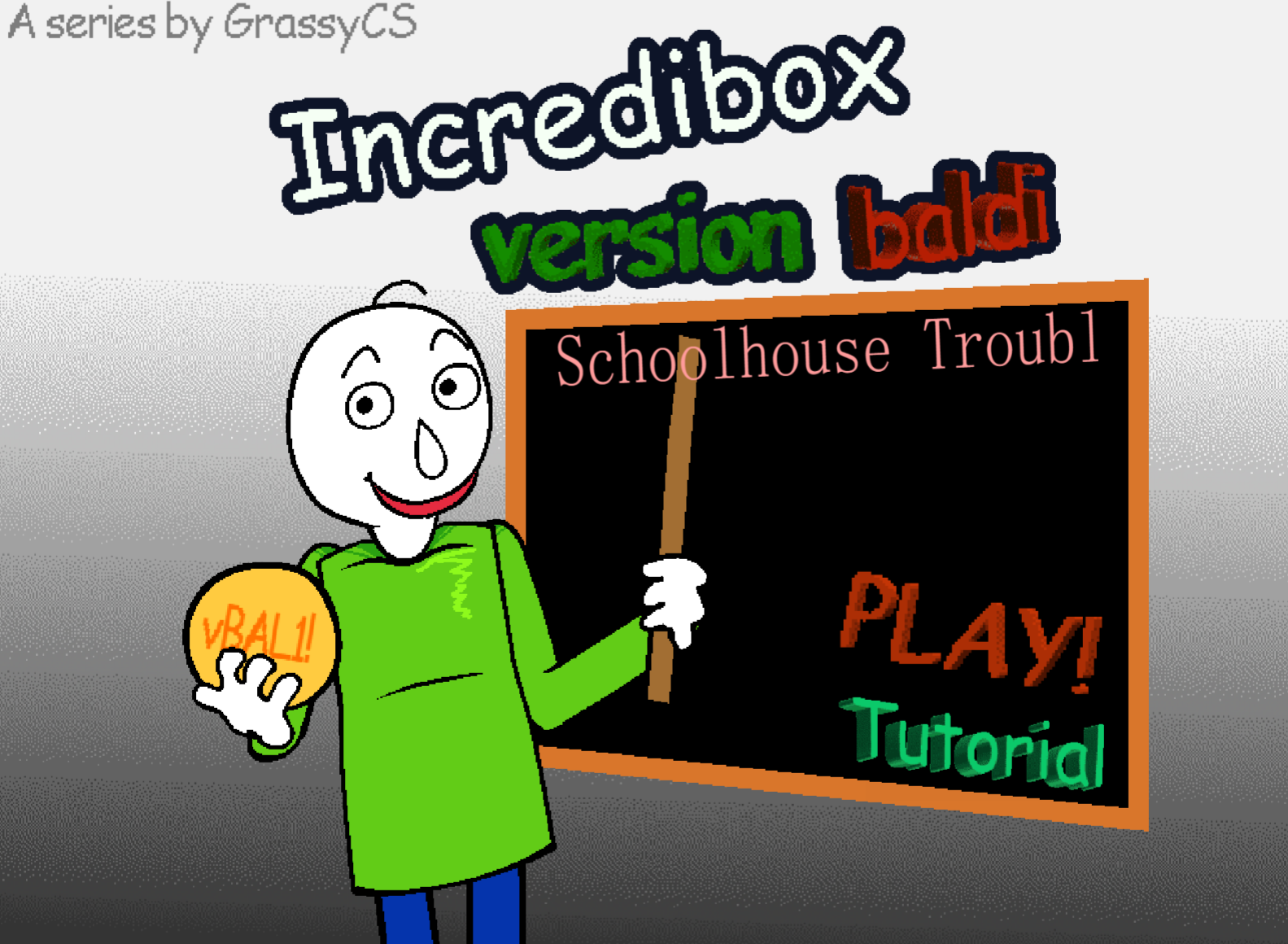
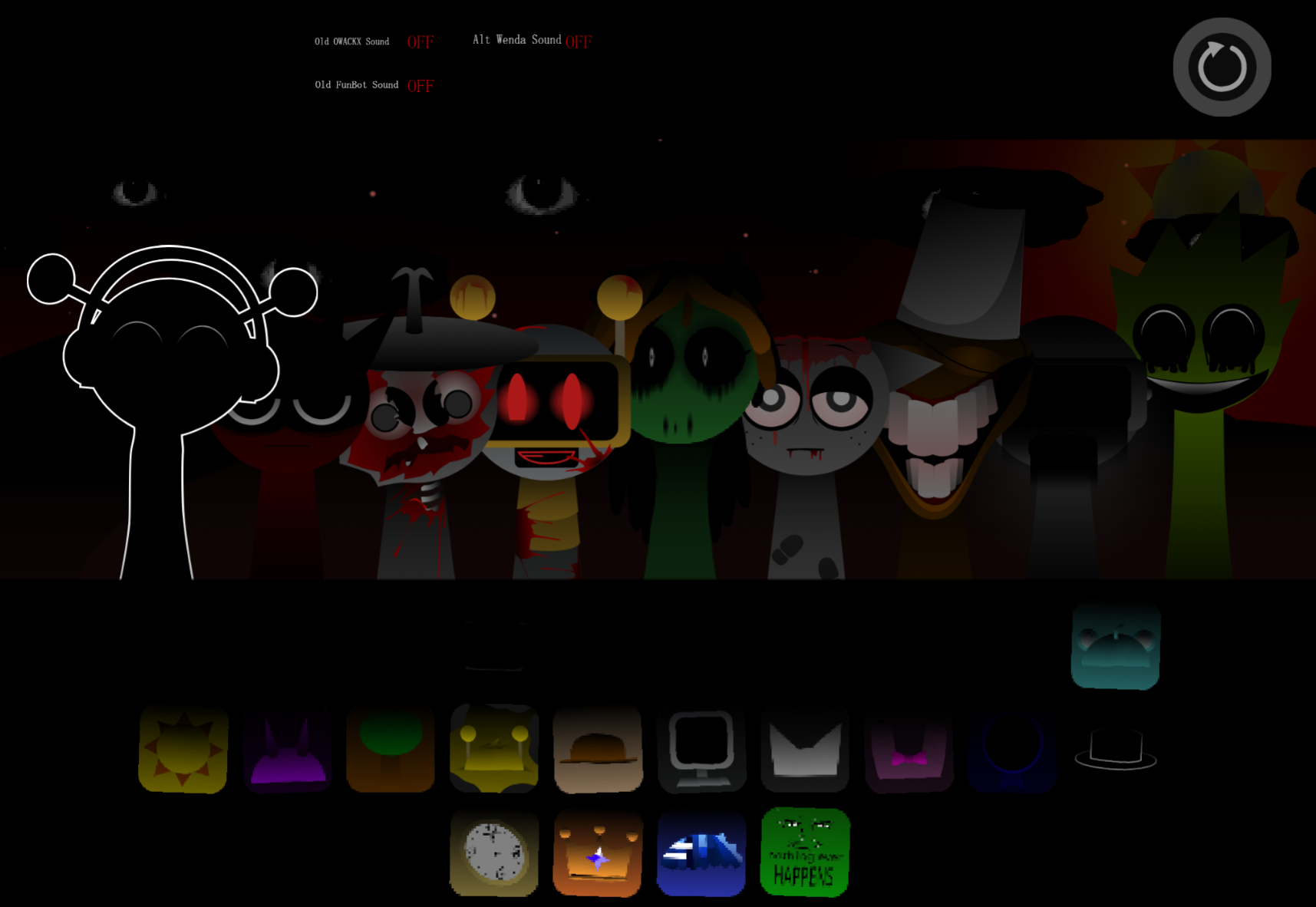
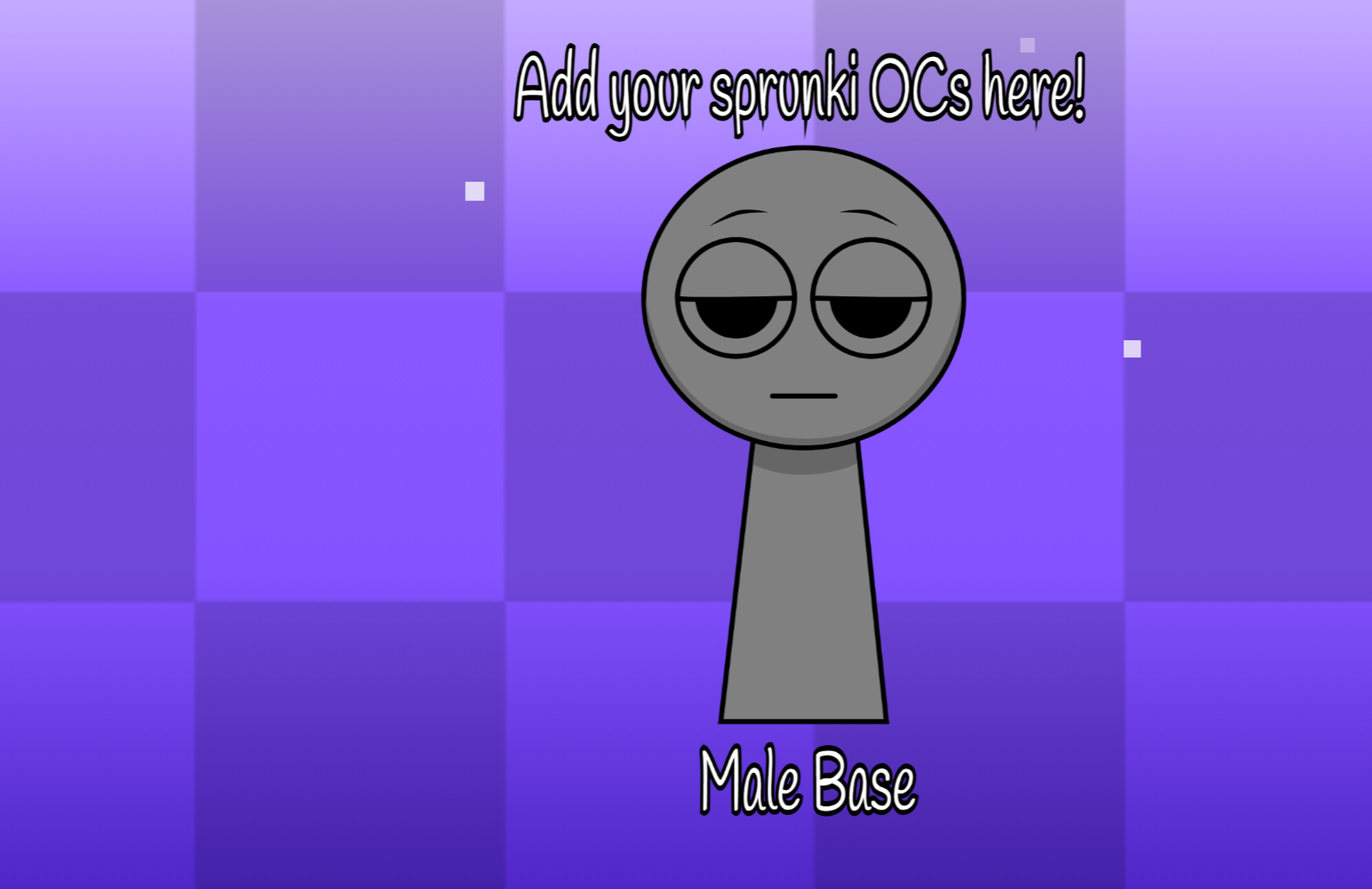
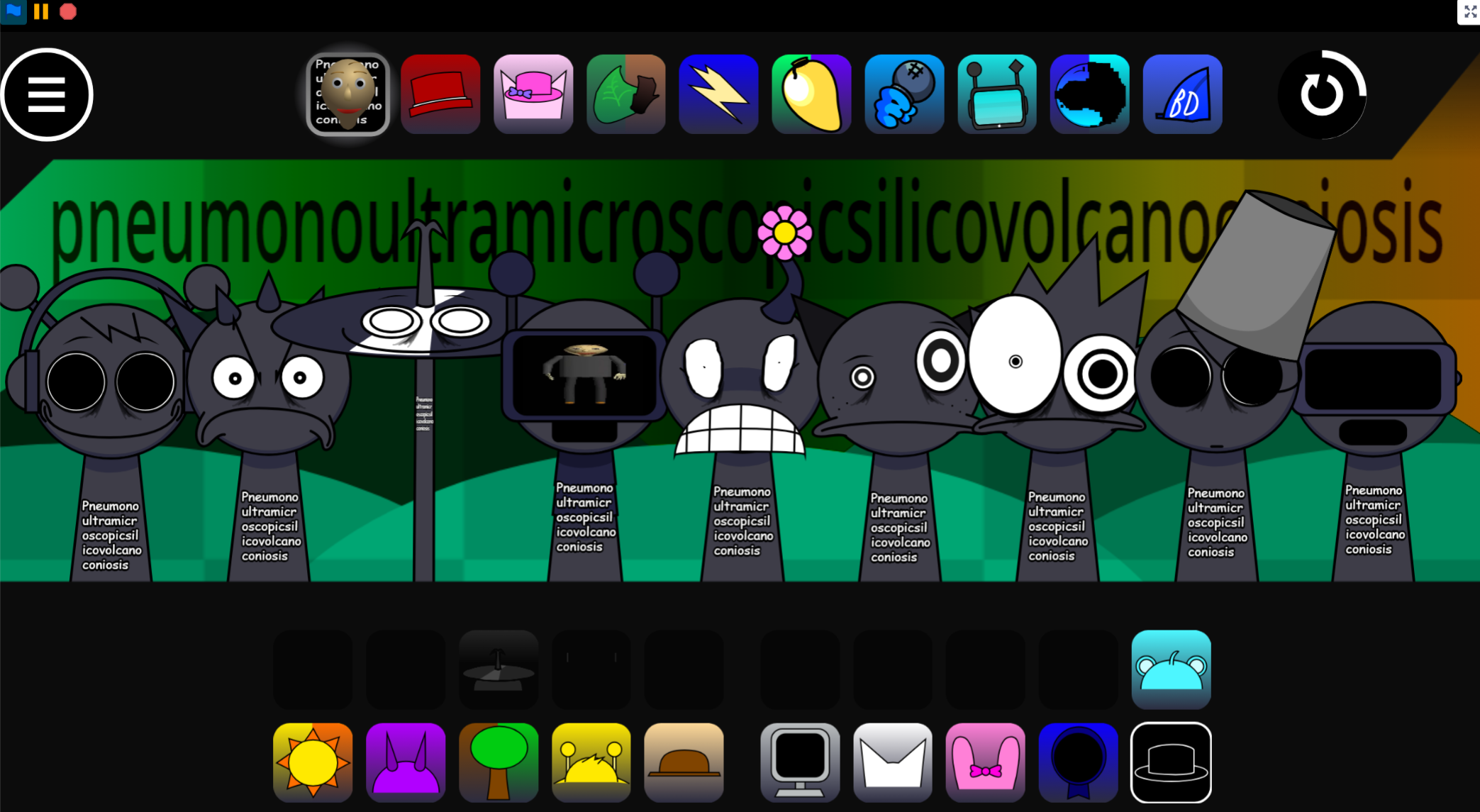
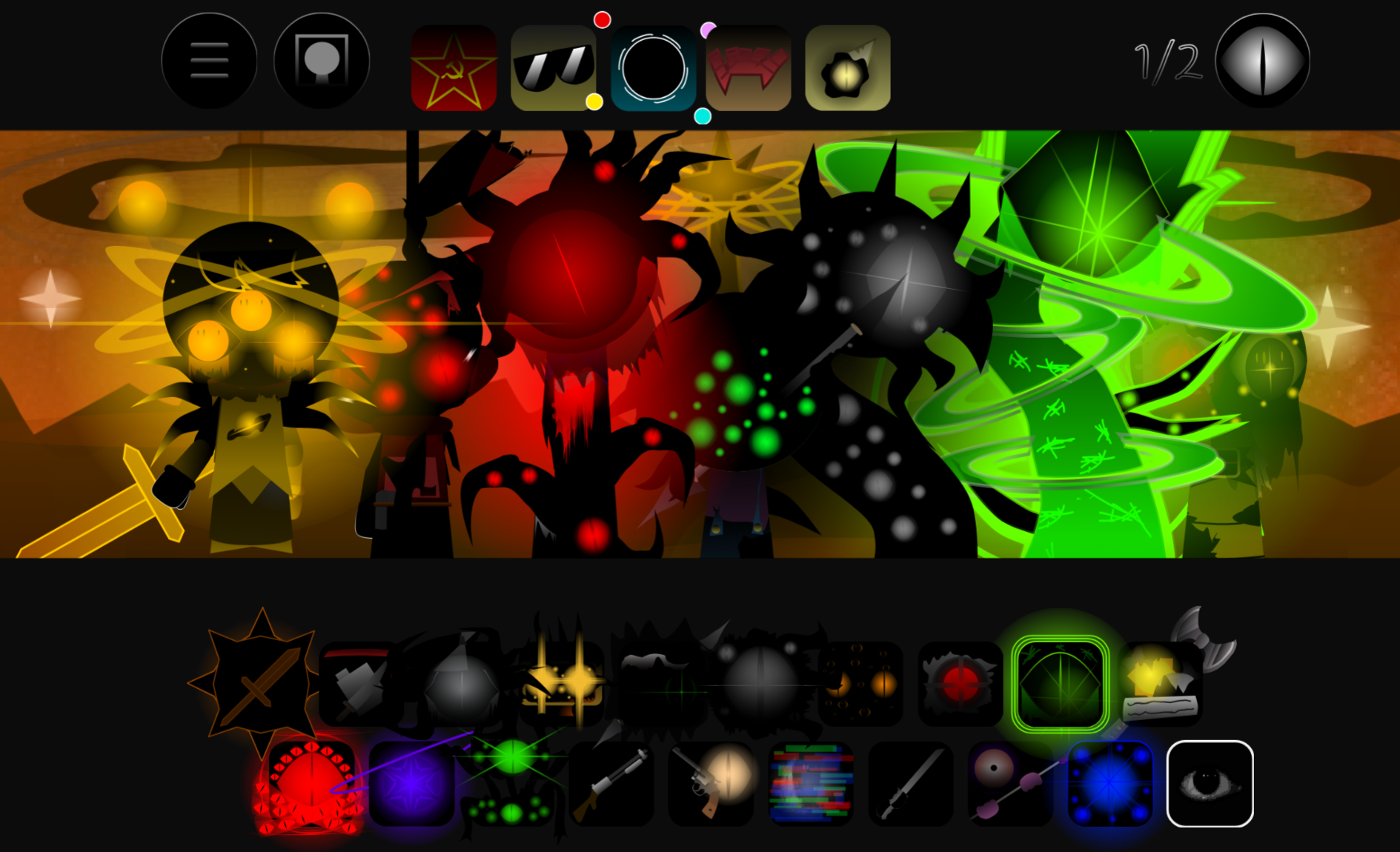
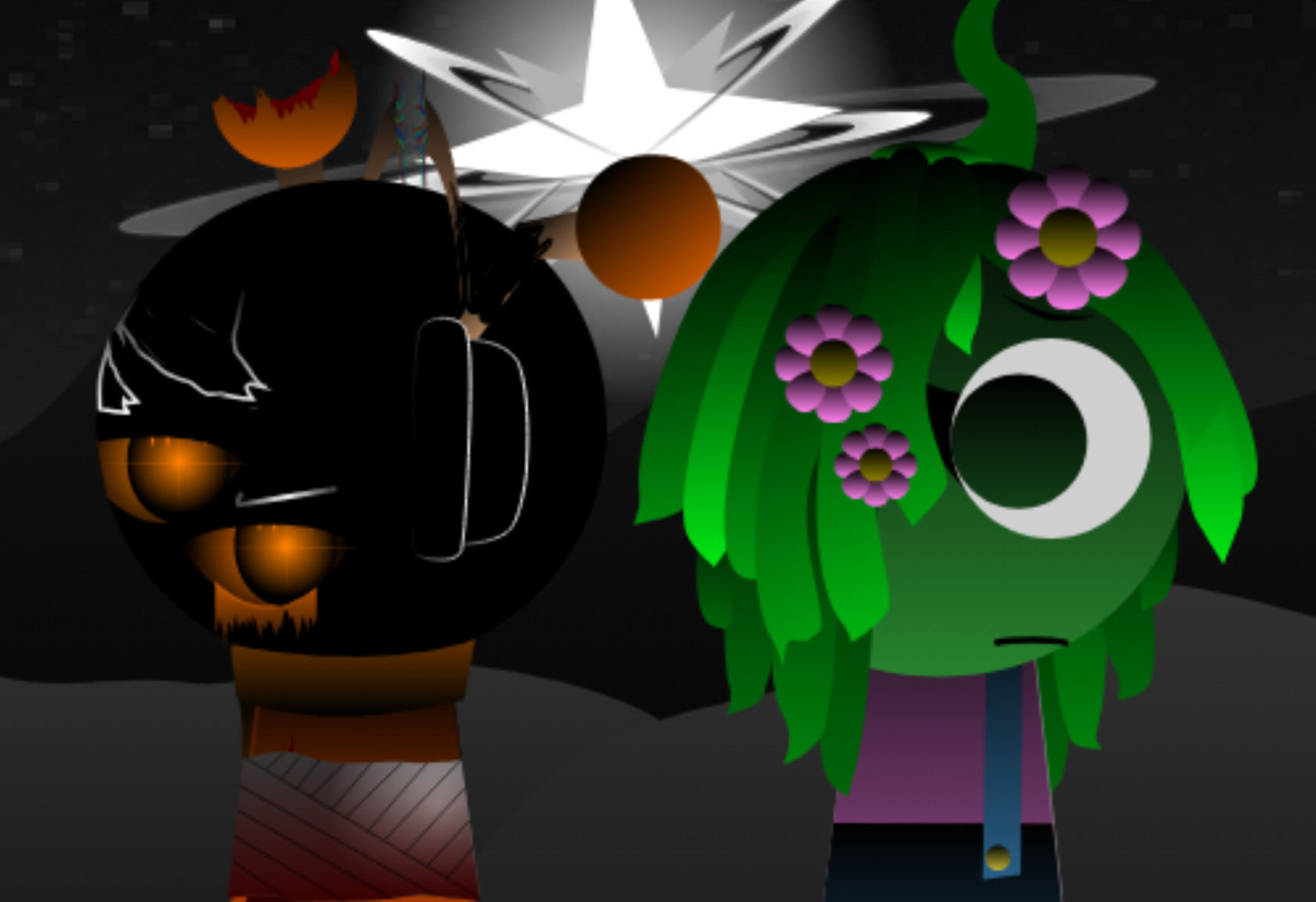
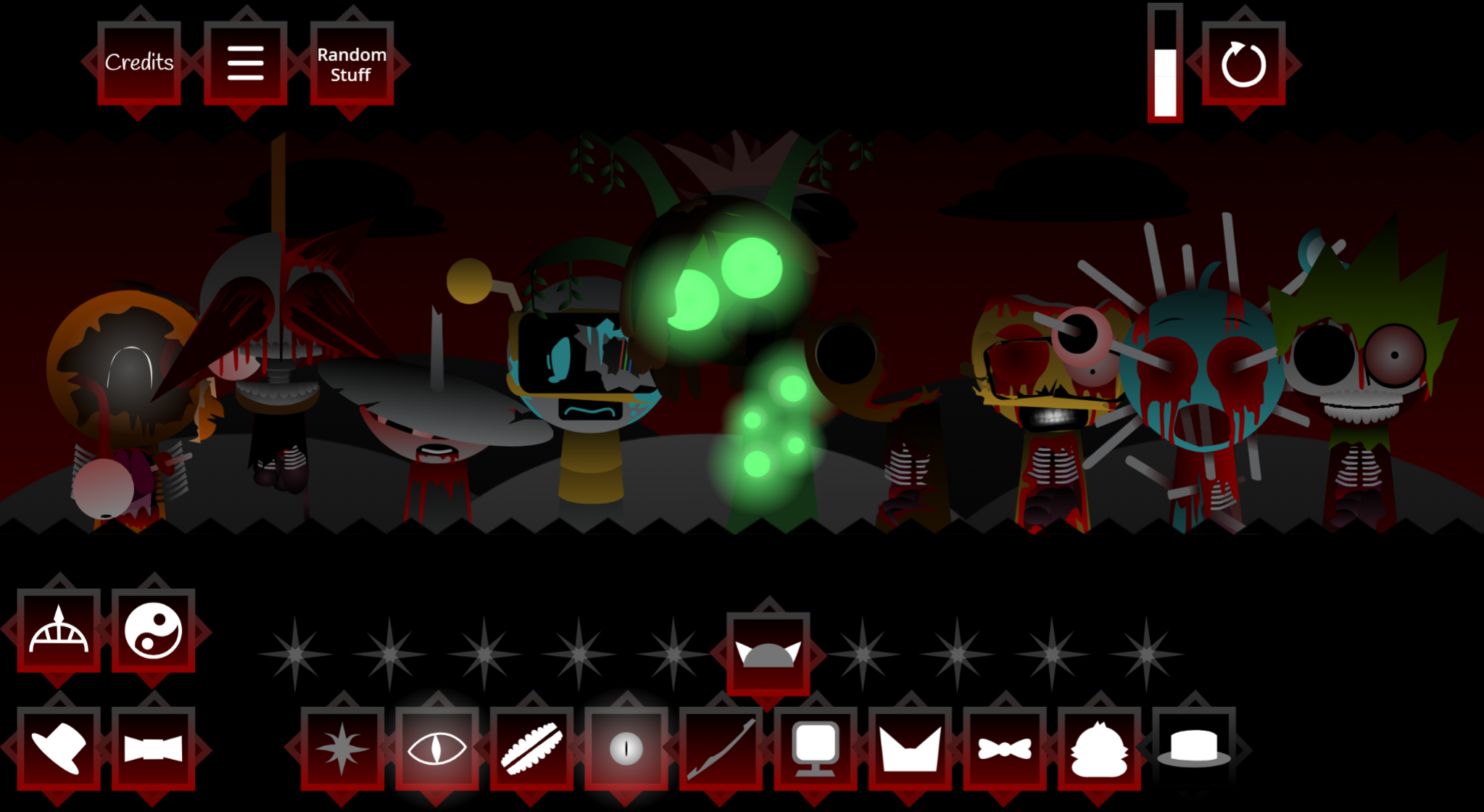
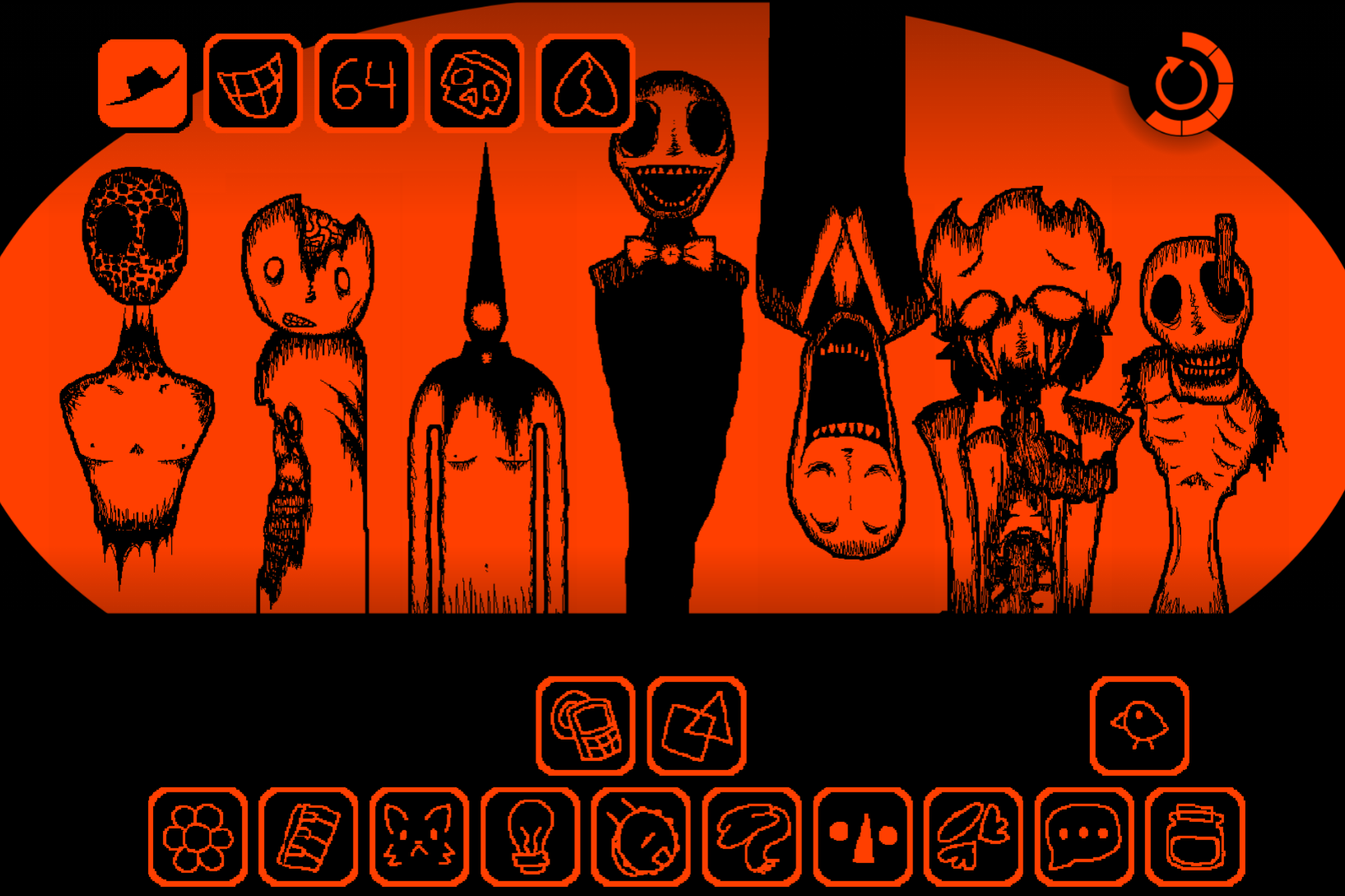
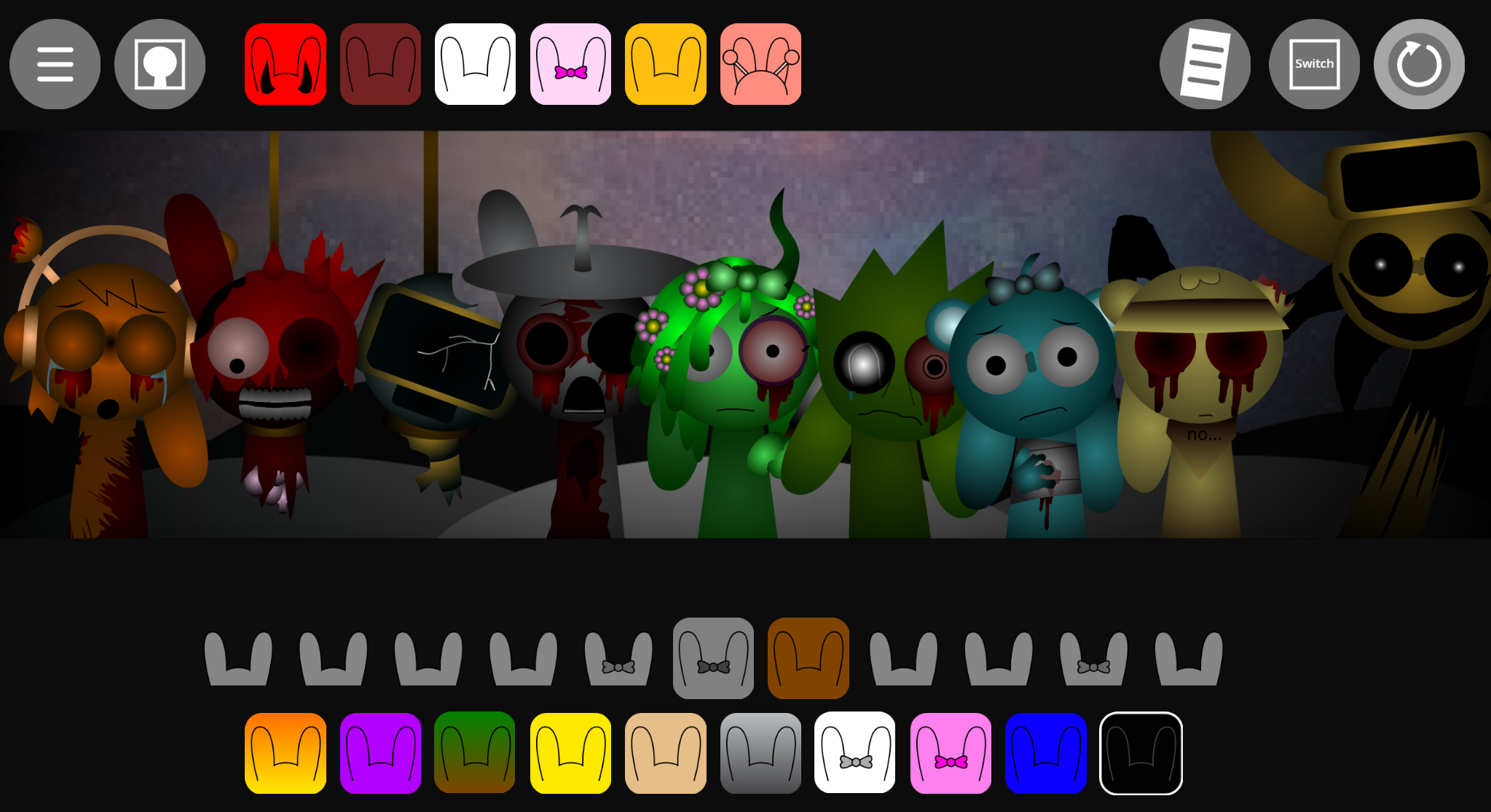
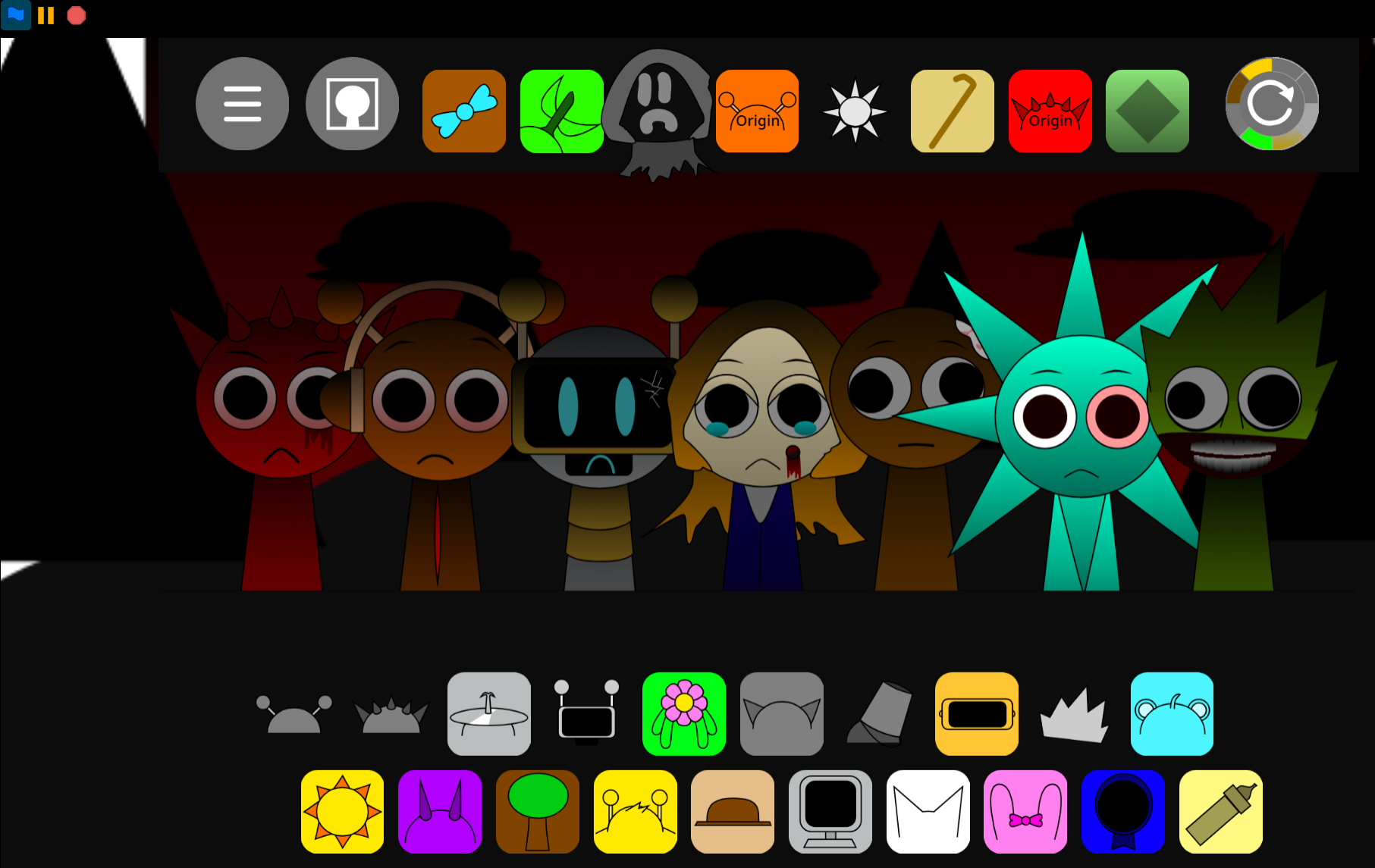
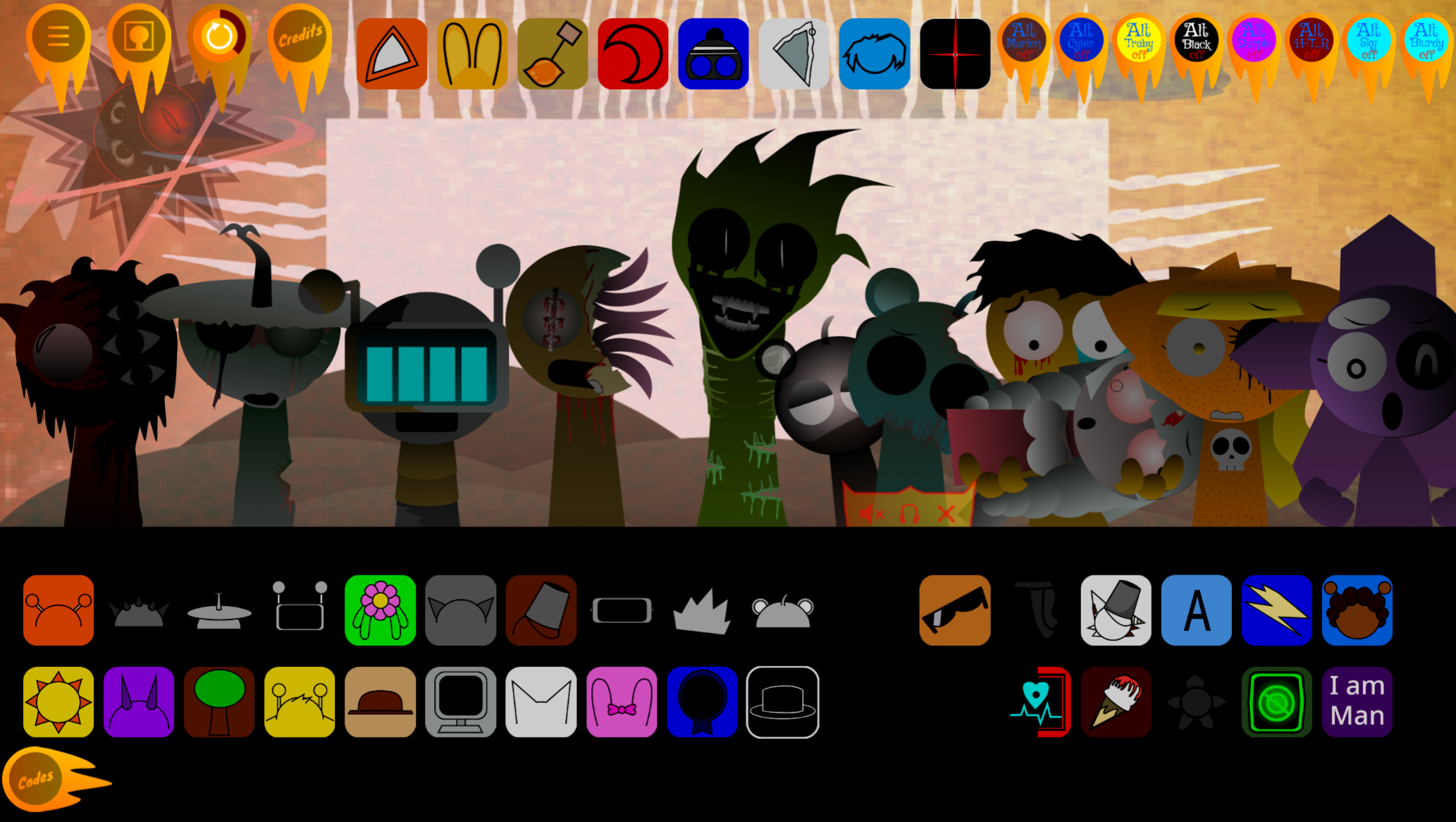

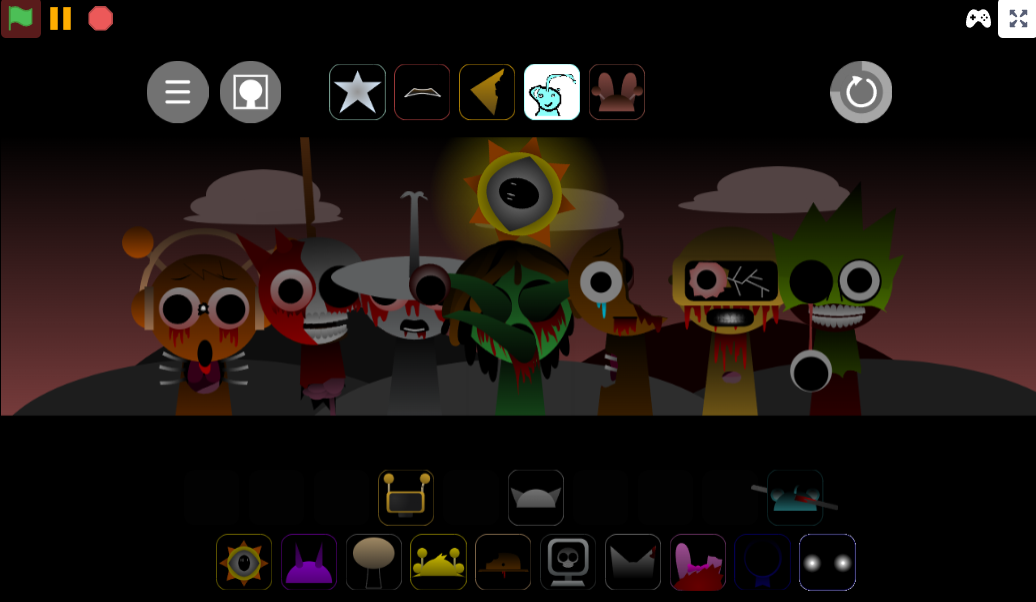
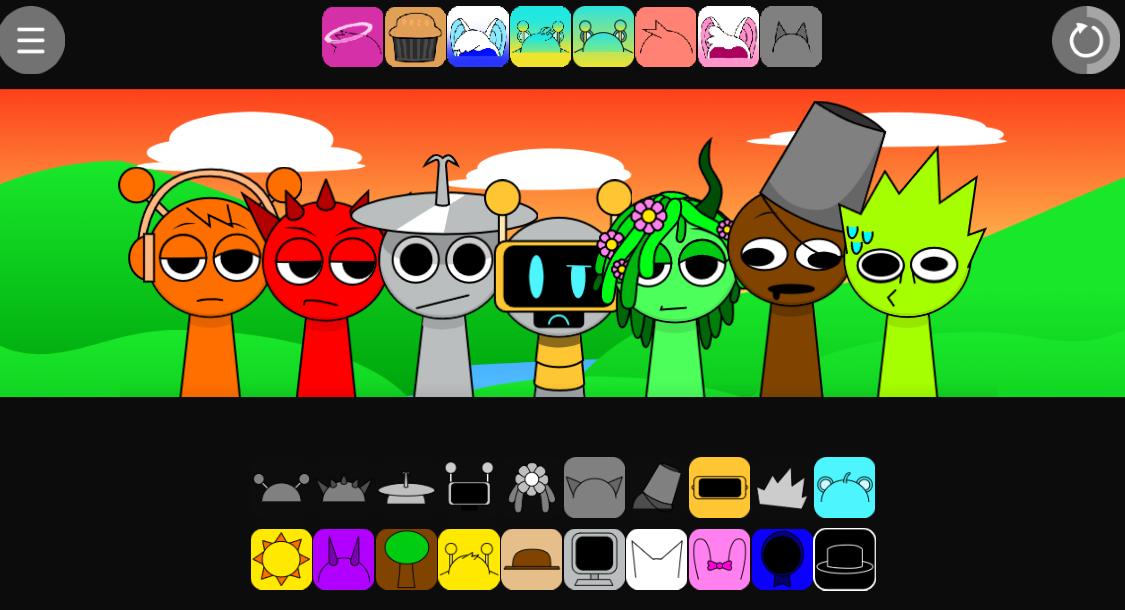
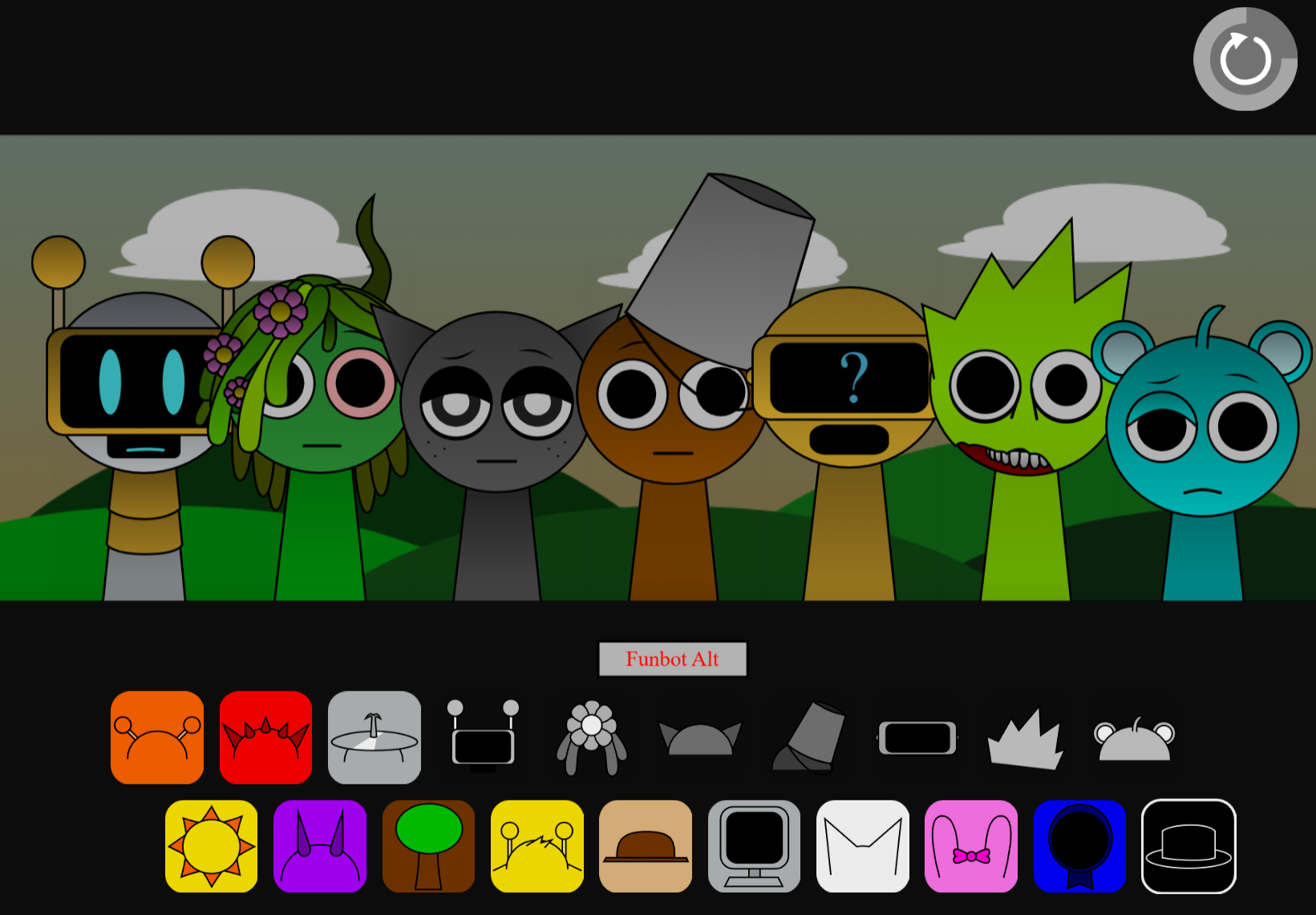
Sprunki Phase 1.25 Player Baldis Take is a horror-themed rhythm mod that layers Baldi’s Basics sound design and visual motifs over the Sprunki music creation framework.
Players arrange character loops to build tracks while navigating phase-specific mechanics that connect sound choices to narrative reveals. The Phase 1.25 designation marks a transitional state between the base Sprunki experience and later horror phases, where Baldi-inspired elements introduce tension without fully corrupting the interface.
You’ll find concrete answers about loop behavior, character unlock conditions, and the practical differences between standard Sprunki mixing and this phase’s horror-adjusted ruleset.
Sprunki Phase 1.25 Player Baldi’s Take
Sprunki Phase 1.25 Player Baldi’s Take is a rhythm-mixing mod built around drag-and-drop layering. You place character icons into open slots, each adding a beat, effect, melody, or vocal layer to a looping track. The interface follows standard Sprunki controls, but the presentation shifts toward a darker, Baldi-inspired atmosphere.
An empty Player slot anchors the visual setup, suggesting a bad-ending route rather than freeform experimentation. The result is a compact, story-focused Phase that rewards deliberate placement over quick stacking.
The core loop is immediate. Drop a character, hear its sound join the mix, then decide whether to layer another part or adjust what’s already playing. There’s no separate start button—the track begins forming as soon as you make the first placement. This makes timing and visual rhythm more important than in sandbox-heavy Phases, where sprawling rosters can obscure the underlying structure.
How to Play Sprunki Phase 1.25 Player Baldi’s Take
The controls mirror the standard Sprunki format: select a character icon, drag it into an empty slot, and let its sound join the loop. The difference is in pacing. This Phase rewards slow layering and attention to how each new sound changes the track.
Start with the empty Player setup
The empty Player slot shapes the tone. It doesn’t change the mechanics, but it signals a darker path tied to loss or failure rather than a neutral starting point.
Drag characters into available slots
Each character activates immediately. You’ll hear rhythm, atmosphere, melody, noise, or voice-like layers as soon as the icon drops.
Build the track gradually
Begin with a stable beat or repeating base, then add effects and melodic parts around it. This keeps the arrangement readable and prevents darker sounds from crowding the loop too early.
Watch the screen while listening
Character states, slot changes, and stage mood act as visual cues for when to layer, pause, swap, or strip the mix back.
Adjust on the next cycle
If a sound feels off, remove or replace it and listen to how the loop settles. Small changes are easier to judge here than in rougher fan builds.
The main trick is balance. Filling every slot quickly can make the track feel busy, while placing one character at a time lets the rhythm breathe and gives the Baldi-inspired atmosphere room to build.
Visual Rhythm Guide
The visual side isn’t decoration—it helps you read the loop as it forms. Every character you place becomes both a sound source and a visual marker, so the layout functions like a live mixer.
A useful approach is to divide the screen into roles:
- Foundation slots carry the beat or steady pulse
- Texture slots add effects, darker accents, or background motion
- Melody slots give the loop direction
- Voice-style parts add character and can shift the mood quickly
Because the loop repeats, your job is to notice what each new layer changes. A beat may stabilize the track, while a darker effect may make the whole scene feel more tense. A vocal-style part may become the focus, but it can also overpower the arrangement if it enters too early.
The strongest mixes usually feel staged rather than stacked. Add one layer, let the pattern repeat, then decide whether the next sound should support the groove, contrast with it, or create a transition.
Rhythm Tips for New Mixers
New mixers should take a slow, deliberate approach. The interface is simple, but the strongest results come from listening carefully to how each loop changes.
- Start with a steady part first. A clear beat or pulse gives the rest of the track something to follow. Once the groove is stable, darker effects and stranger layers are easier to control.
- Add one sound at a time. Drop a character, wait for the loop to cycle, then decide if the sound strengthens the rhythm or crowds it.
- Don’t fill every slot immediately. Empty space can make the next layer more satisfying. Leaving room also helps the unsettling tone land more clearly.
- Use swaps as rhythm corrections. If a sound fights the beat, pull it back and try another character. Treat each swap as a deliberate adjustment.
- Watch character behavior. Visual changes can help you judge when to layer or shift direction, even without advanced timing skills.
- Think of the mix as a scene. Each added layer should feel like part of a developing moment, not just another sound stacked on top.
Features of Sprunki Phase 1.25 Player Baldi’s Take
Sprunki Phase 1.25 Player Baldi’s Take keeps the familiar drag-and-drop music system but narrows it into a more story-focused Phase.
- Real-time sound layering: Every character drop immediately changes the loop, letting you build a track through direct interaction.
- Beat, effect, melody, and vocal-style parts: Character icons serve different musical roles, so the arrangement can shift from simple rhythm to fuller atmosphere.
- Dark Player-centered setup: The empty Player slot gives the scene a bad-ending flavor and makes the layout feel tied to a specific route.
- Baldi-inspired mood: The Baldi influence appears through atmosphere, darker cues, and the sense that the mix is connected to something hidden.
- Cleaner, focused interface: The simplified layout keeps attention on placement, timing, and visual rhythm instead of menus or advanced editing tools.
- Compact roster and directed flow: This take is narrower than a huge sandbox. That may feel limiting for players who want endless options, but it helps the Phase stay cohesive and easier to read.
Common Questions About Baldi’s Take
What is Sprunki Phase 1.25 Player Baldi’s Take?
A fan-made Sprunki variation built around drag-and-drop rhythm format, but with a darker, more story-driven Baldi-inspired presentation.
Does the gameplay change a lot?
Not mechanically. You still place character icons into open slots, and each one adds a new sound layer to the looping track. The main change is the mood. The lineup, visuals, and empty Player detail make the experience feel more like uncovering a hidden route than casually building a colorful mix.
What does the empty Player slot mean?
The empty Player slot doesn’t read like a normal character space. It feels more like a clue tied to loss, failure, or a bad-ending path, giving the scene much of its mystery.
Is it good for new mixers?
Yes. The controls are simple, especially if you already understand basic Sprunki dragging and layering. Build slowly, listen after every drop, and use the visual rhythm cues to guide each change.
Is Baldi’s Take a big sandbox?
No. It’s more compact and directed than a large experimental Sprunki build. Players looking for huge rosters may find it limited, but players who enjoy focused rhythm design and lore-heavy Phases may prefer that tighter structure.
Related Games
- Sprunki Double Shifted Player Baldi’s Take — This is the closest follow-up because it keeps the Player Baldi’s Take identity while pushing the rhythm-mixing setup into a more altered, shifted arrangement.
- Sprunki Pink Eye Treatment UCs Take — Its pink-eye theme directly matches the article’s pulsing eye focus, making it a strong pick for players drawn to the visual clue and unsettling lore angle.
- Sprunki Hyper Shifted Phase 3 New — This suits players who enjoy the same Sprunki drag-and-drop music foundation but want a faster, more transformed phase after the cleaner Phase 1.25 experience.
Why Play This Phase?
Play Sprunki Phase 1.25 Player Baldi’s Take if you enjoy rhythm creation with a darker story texture. The standard Sprunki controls stay easy to understand, but the presentation makes each placement feel more meaningful.
The main appeal is the connection between sound and lore. Characters are not only musical parts; their placement can change the mood of the scene and suggest a darker interpretation of the Baldi route. For fans who follow community-made Sprunki timelines, this makes the mod feel less like a random remix and more like a compact chapter in a wider fan narrative.
It’s also a good fit for players who prefer a directed session. Instead of overwhelming you with a huge lineup, it gives you a focused set of tools and asks you to pay attention to atmosphere, rhythm, and small changes in the loop. The trade-off is clear: less variety, but more cohesion.