


Sprunki Reversed Phase 3 Remake Not Official - Mastering the Dark, Distorted Soundscape
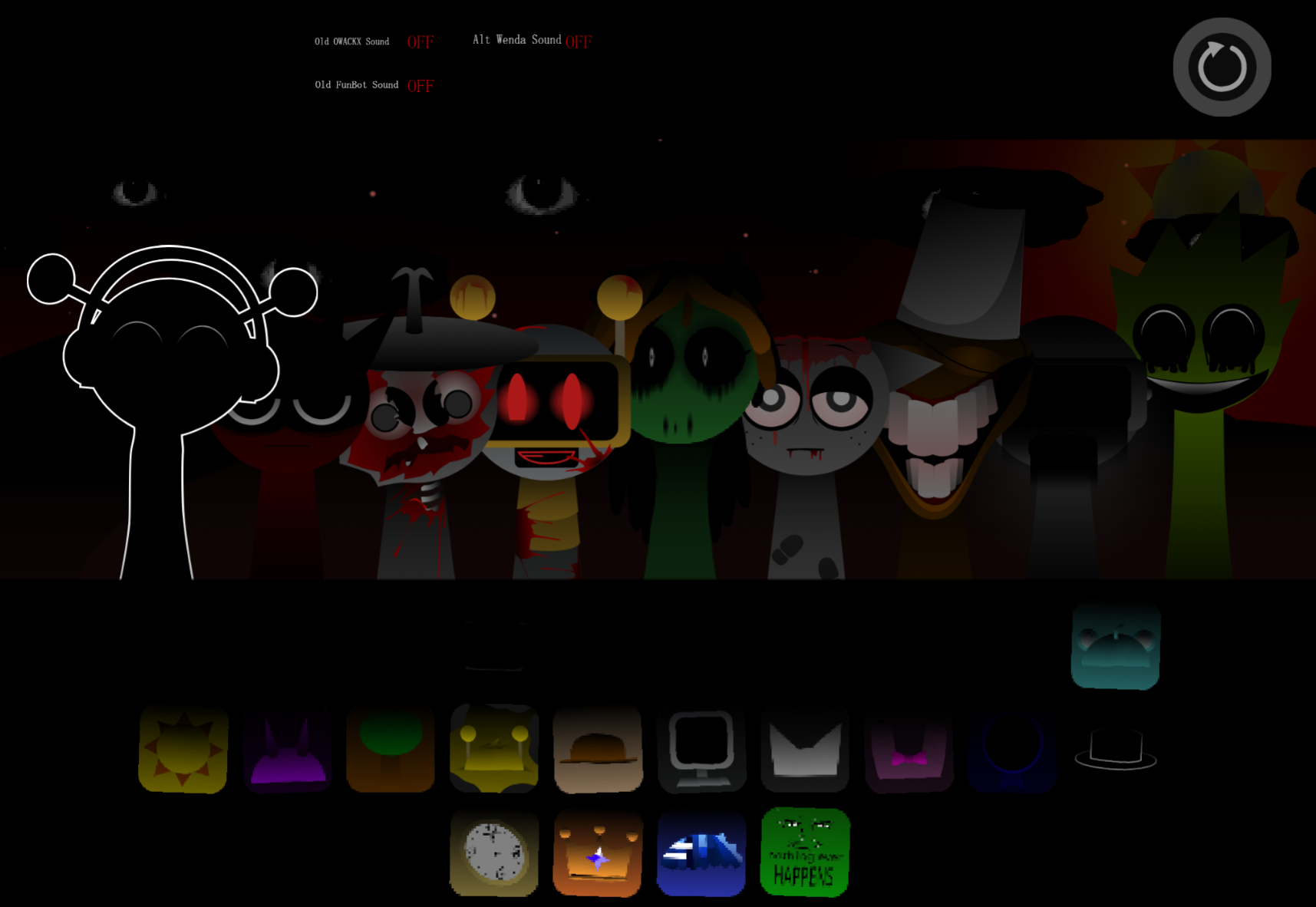
Sprunki Reversed Phase 3 Remake Not Official plunges players into a fan-crafted mirror dimension where familiar music-making mechanics twist into distorted, glitch-laden soundscapes that challenge conventional layering instincts. This unofficial remake transforms the cheerful drag-and-drop format into a darker experimental playground, where reversed audio loops, time-flipped rhythms, and haunting vocal echoes force you to think differently about every character placement—each icon becomes a deliberate gamble between atmospheric depth and chaotic clutter.
New Games
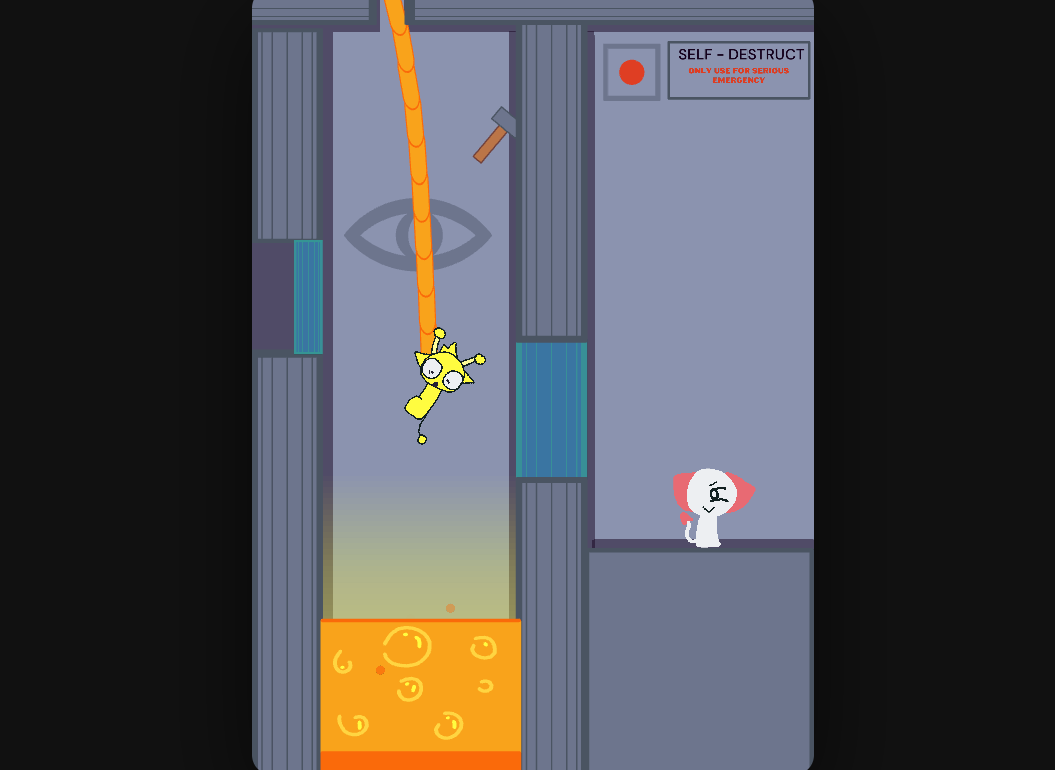
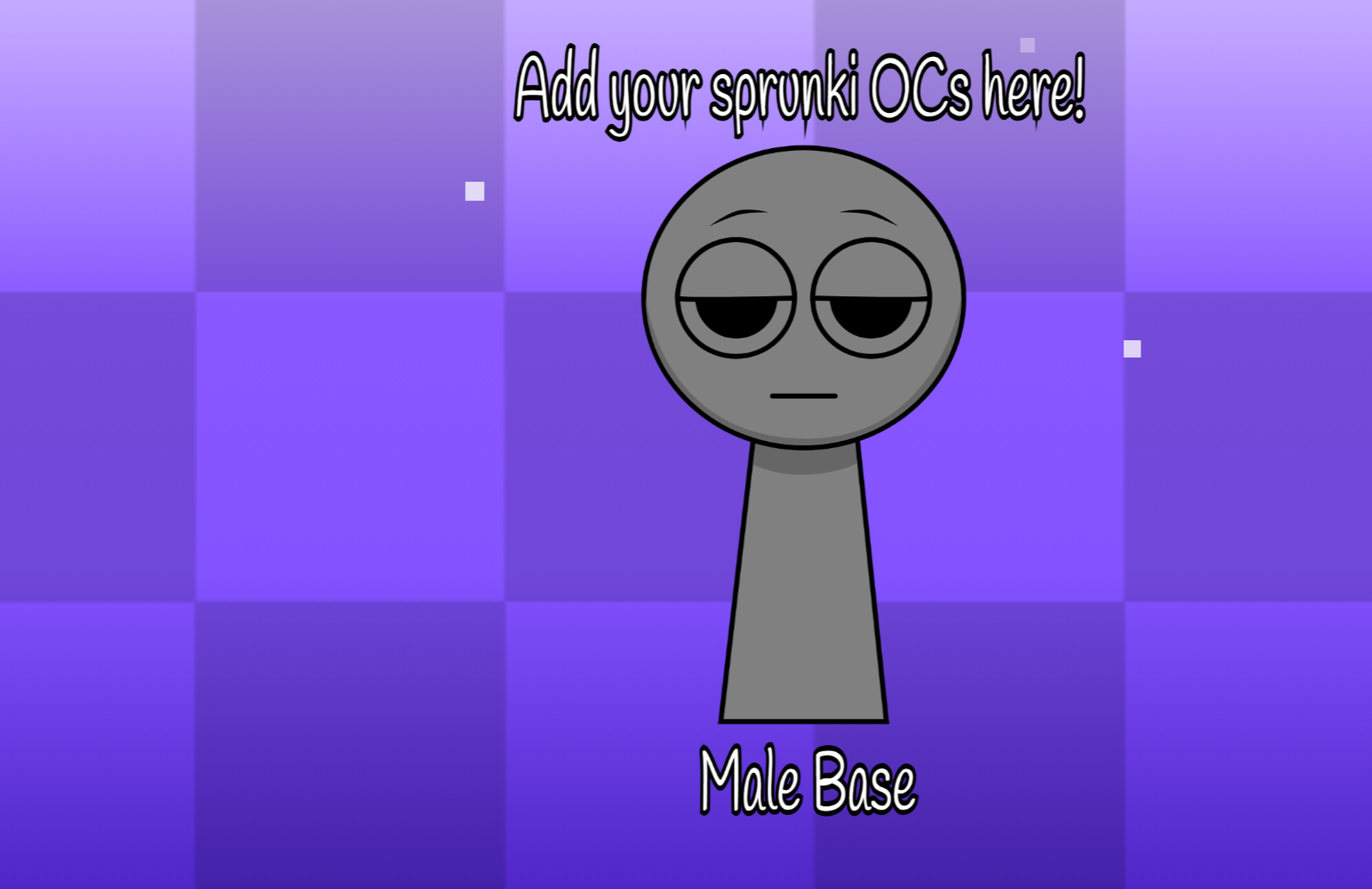
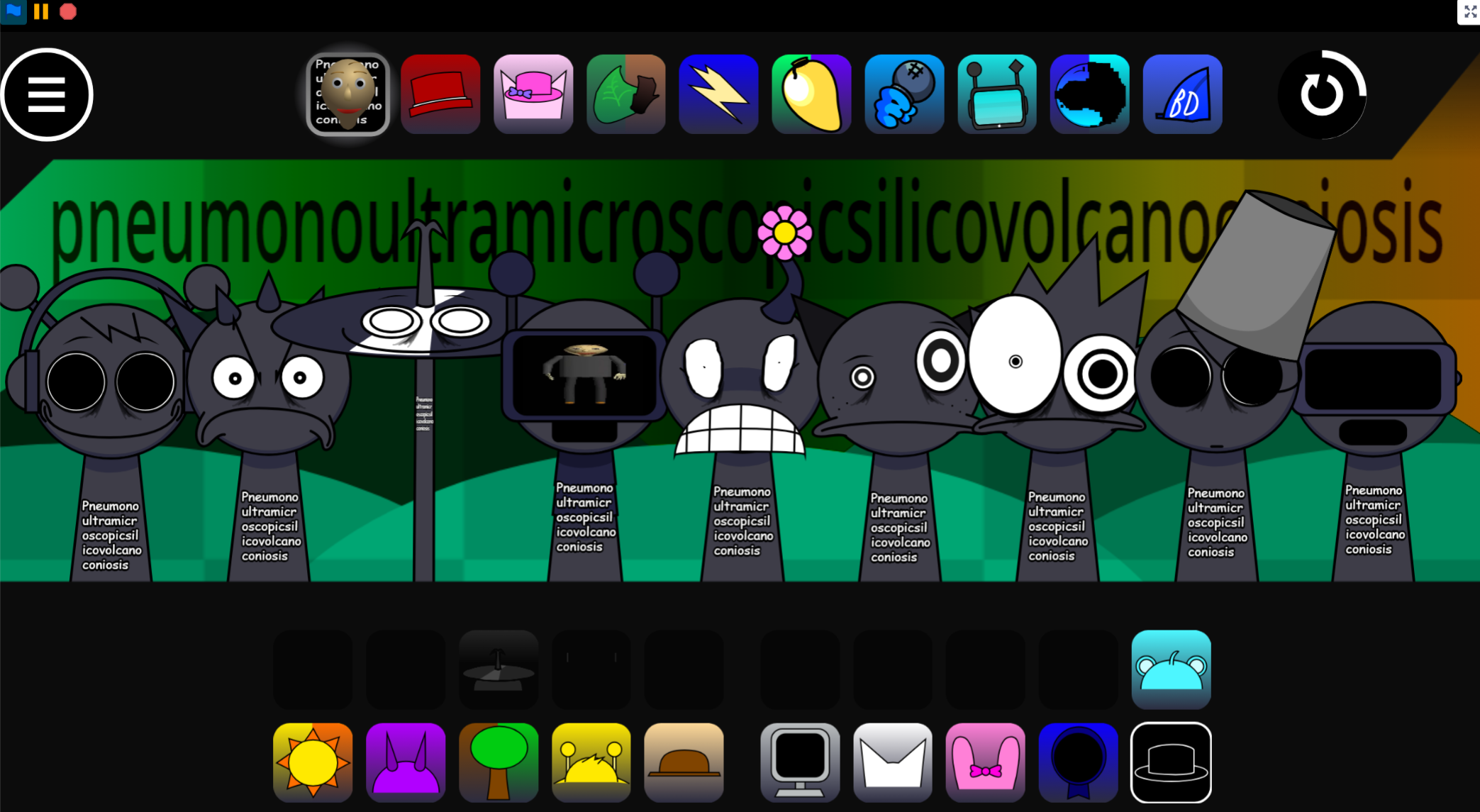
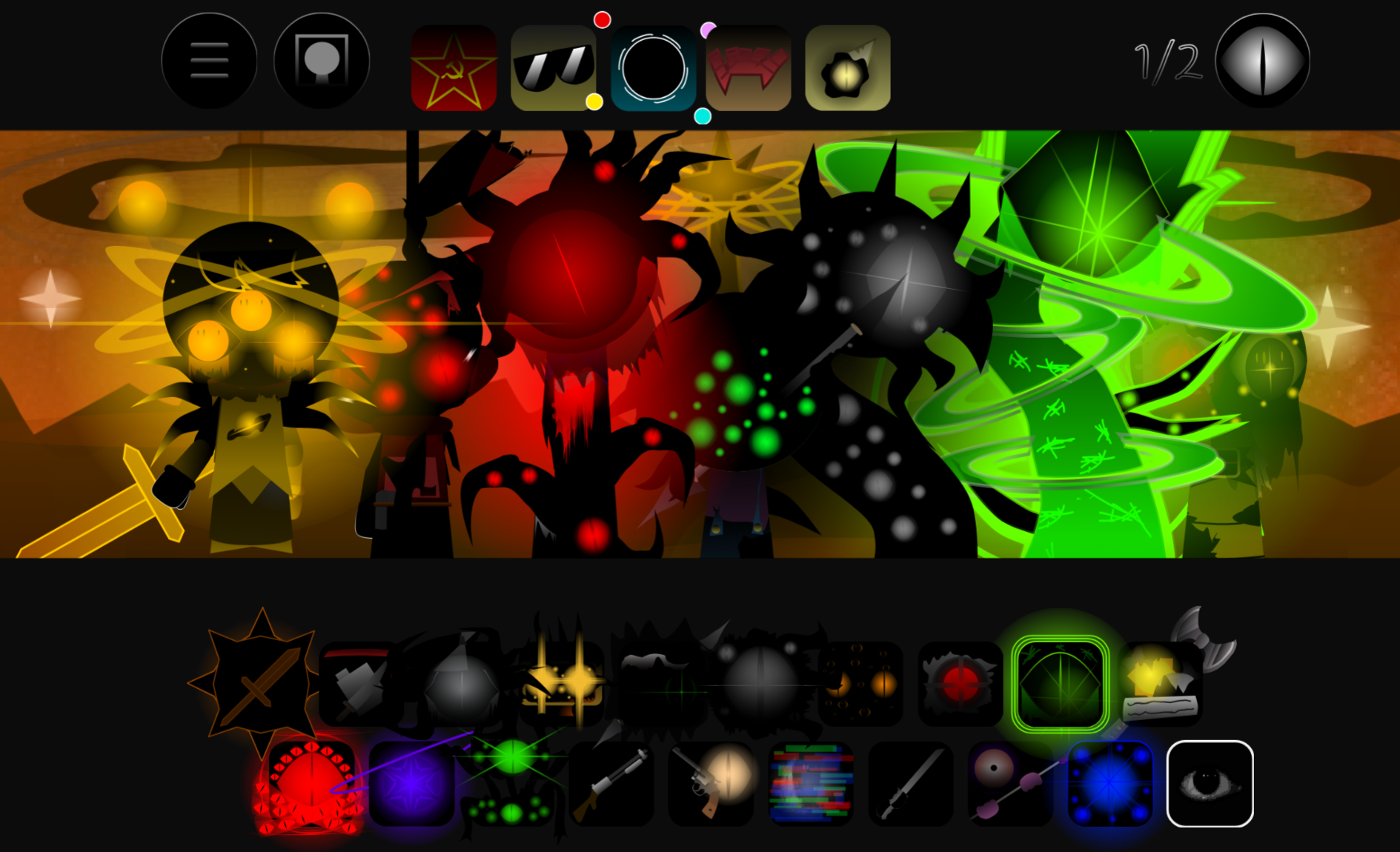
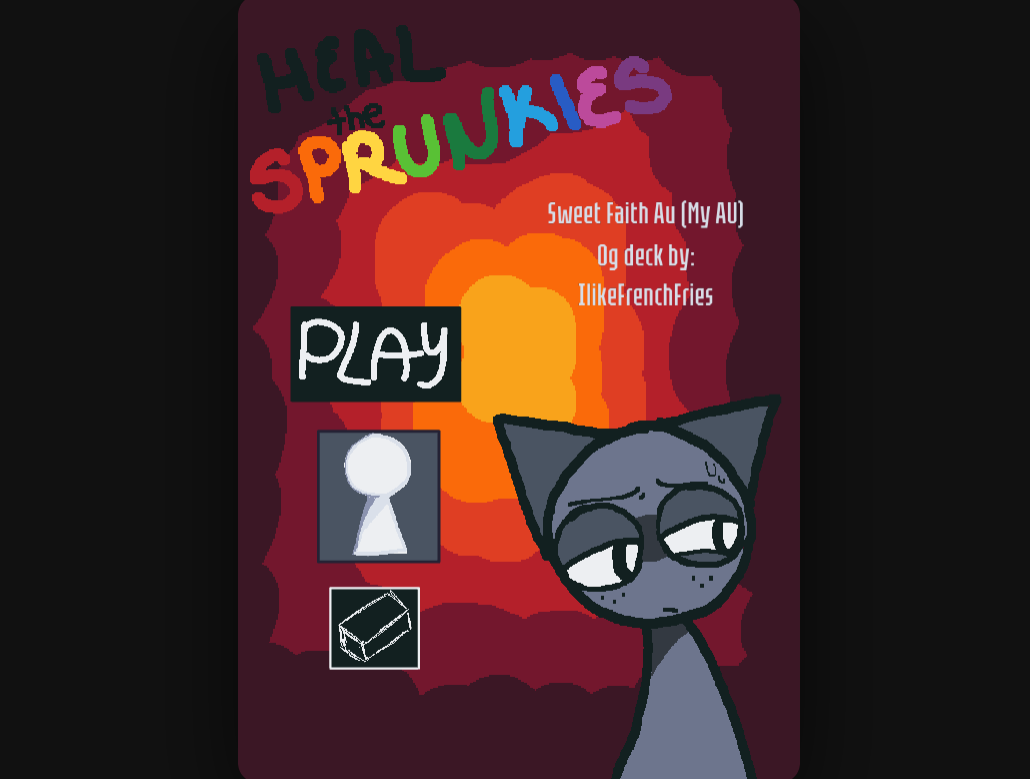
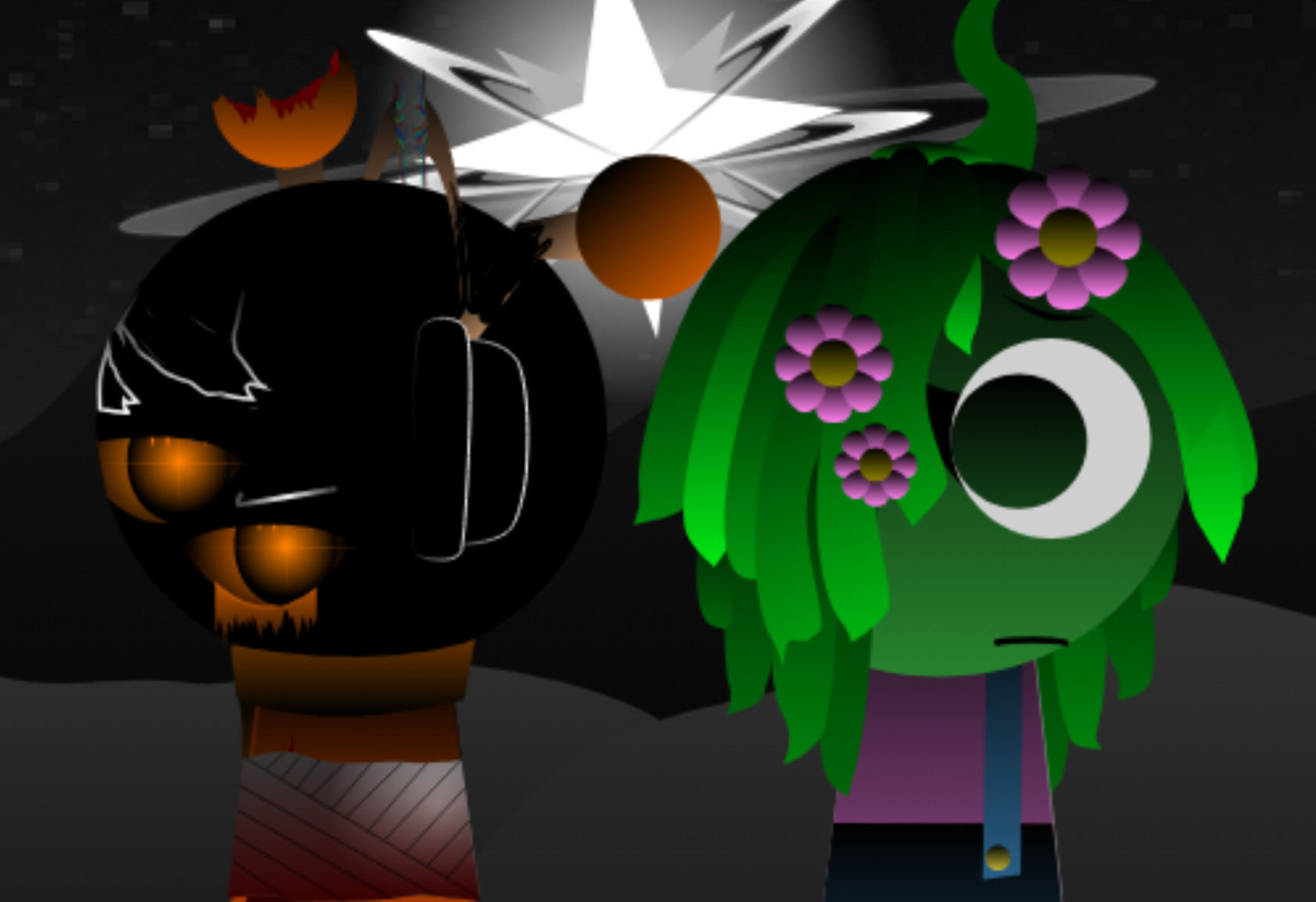
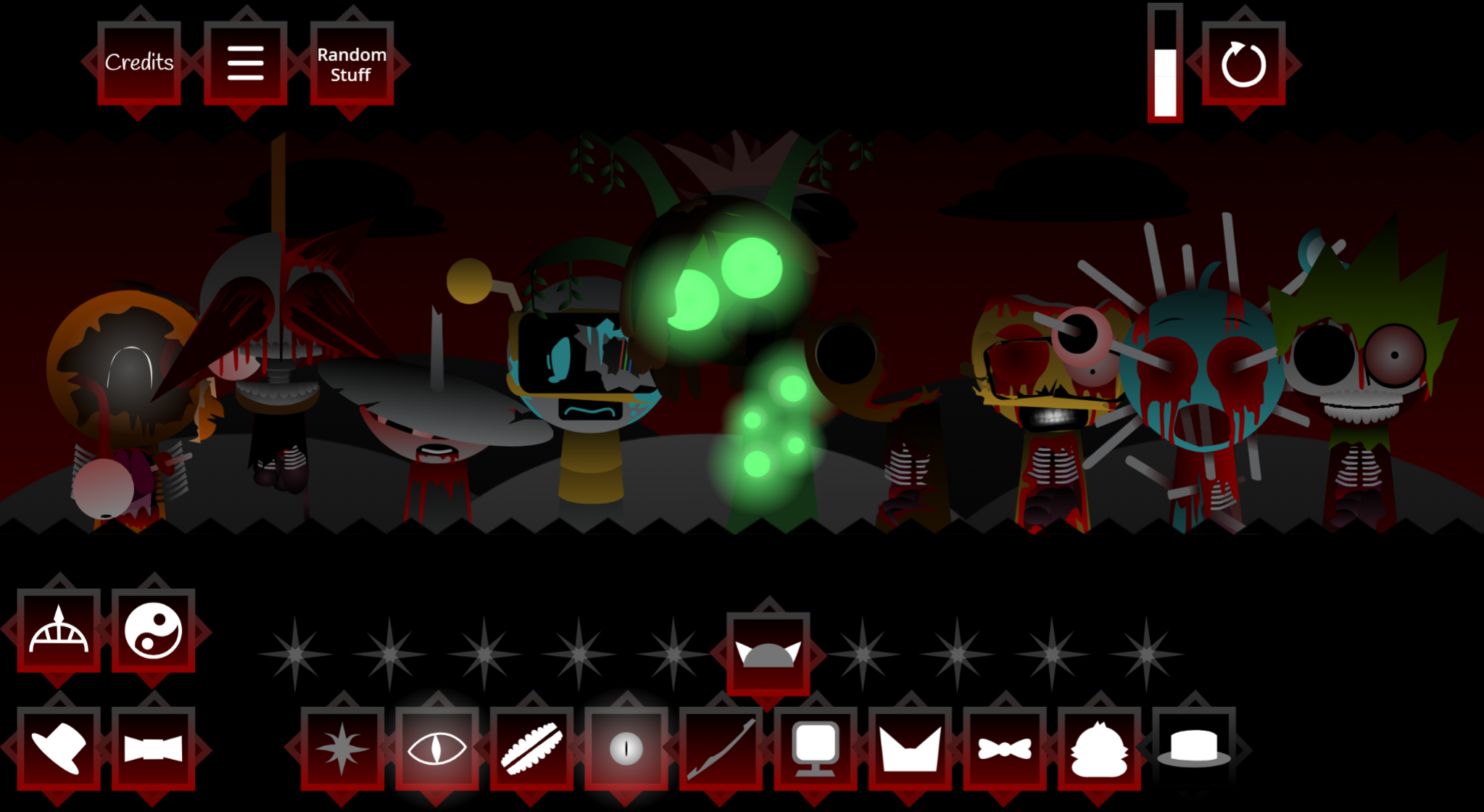
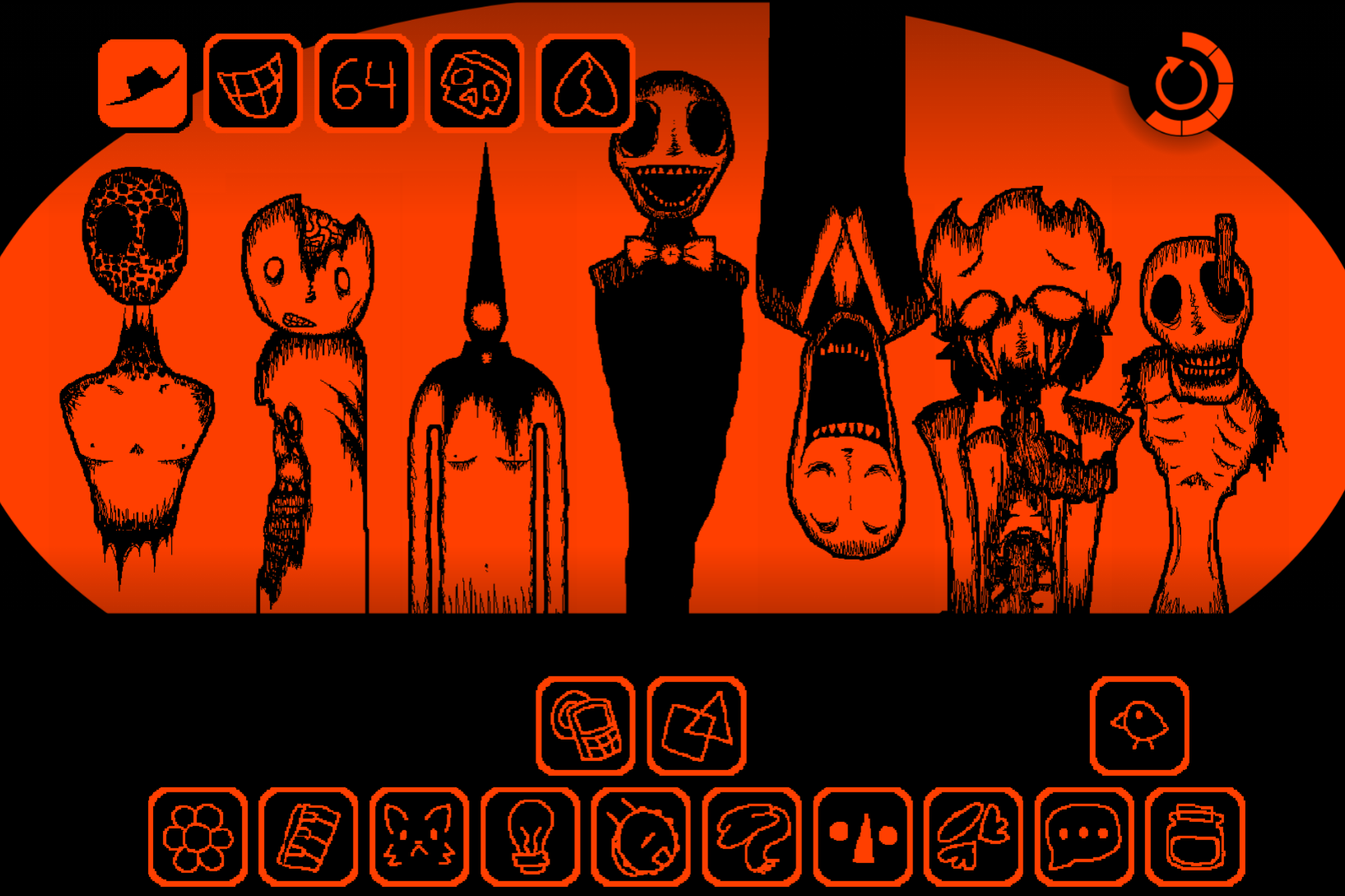
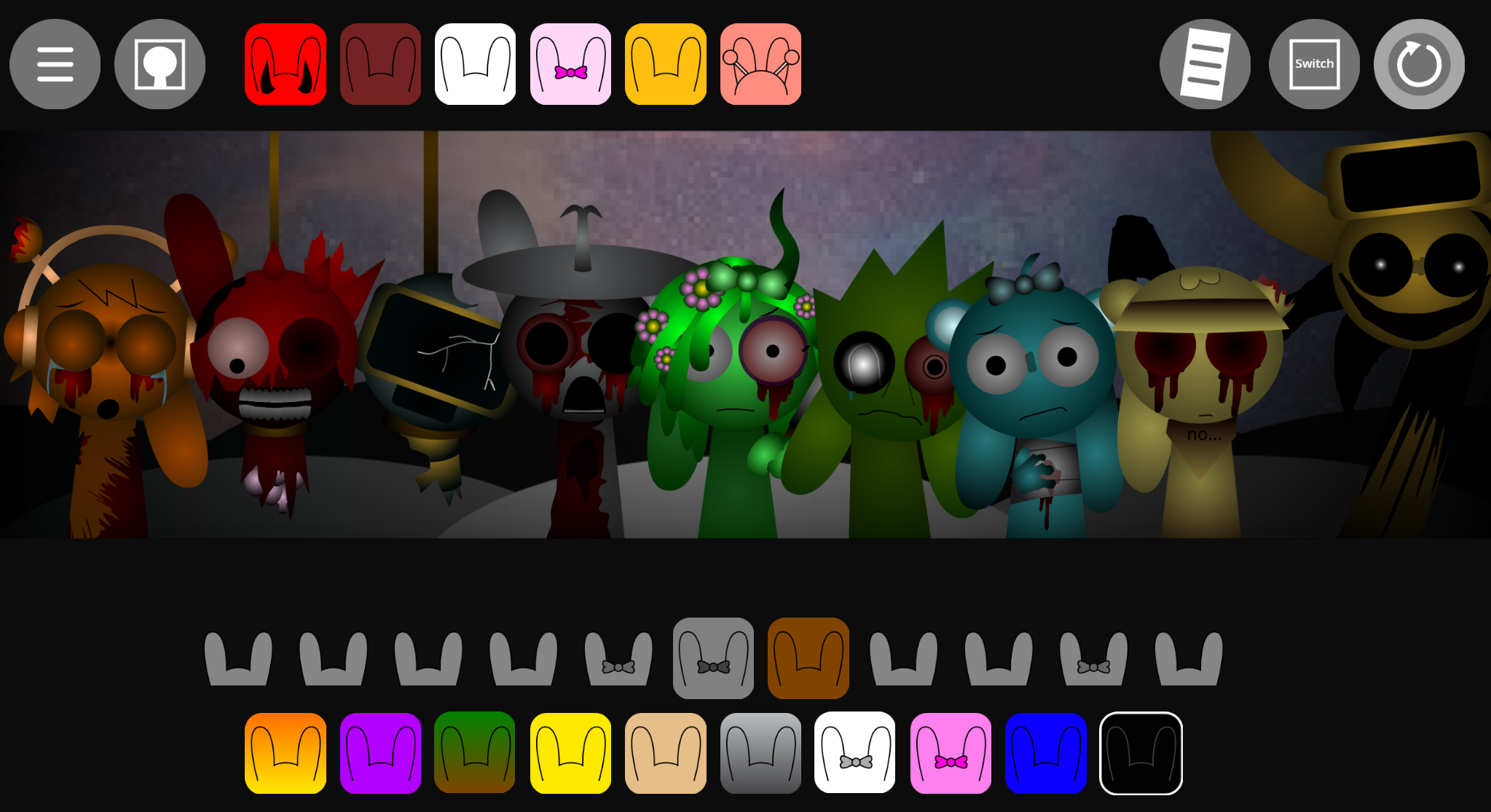
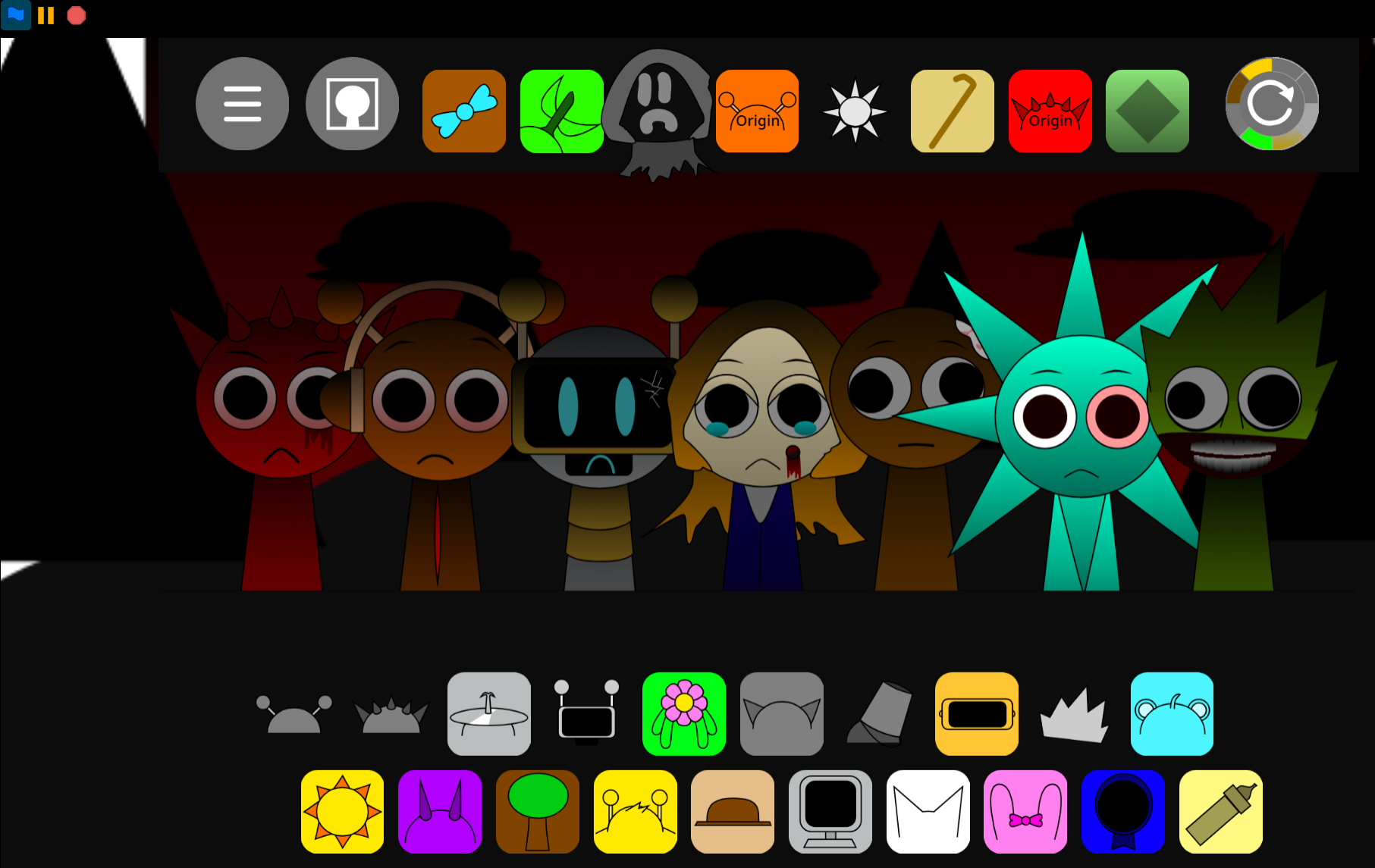
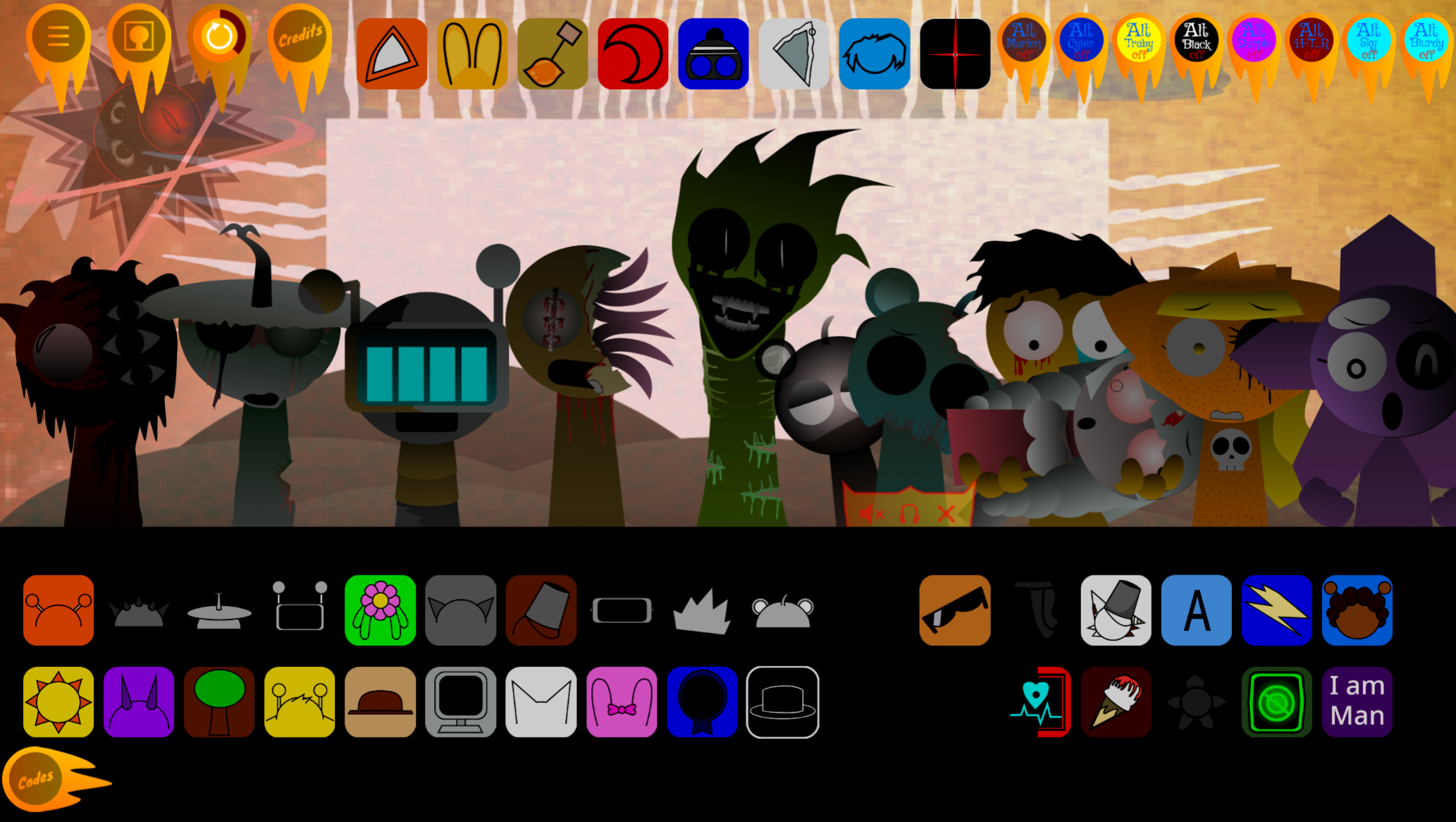
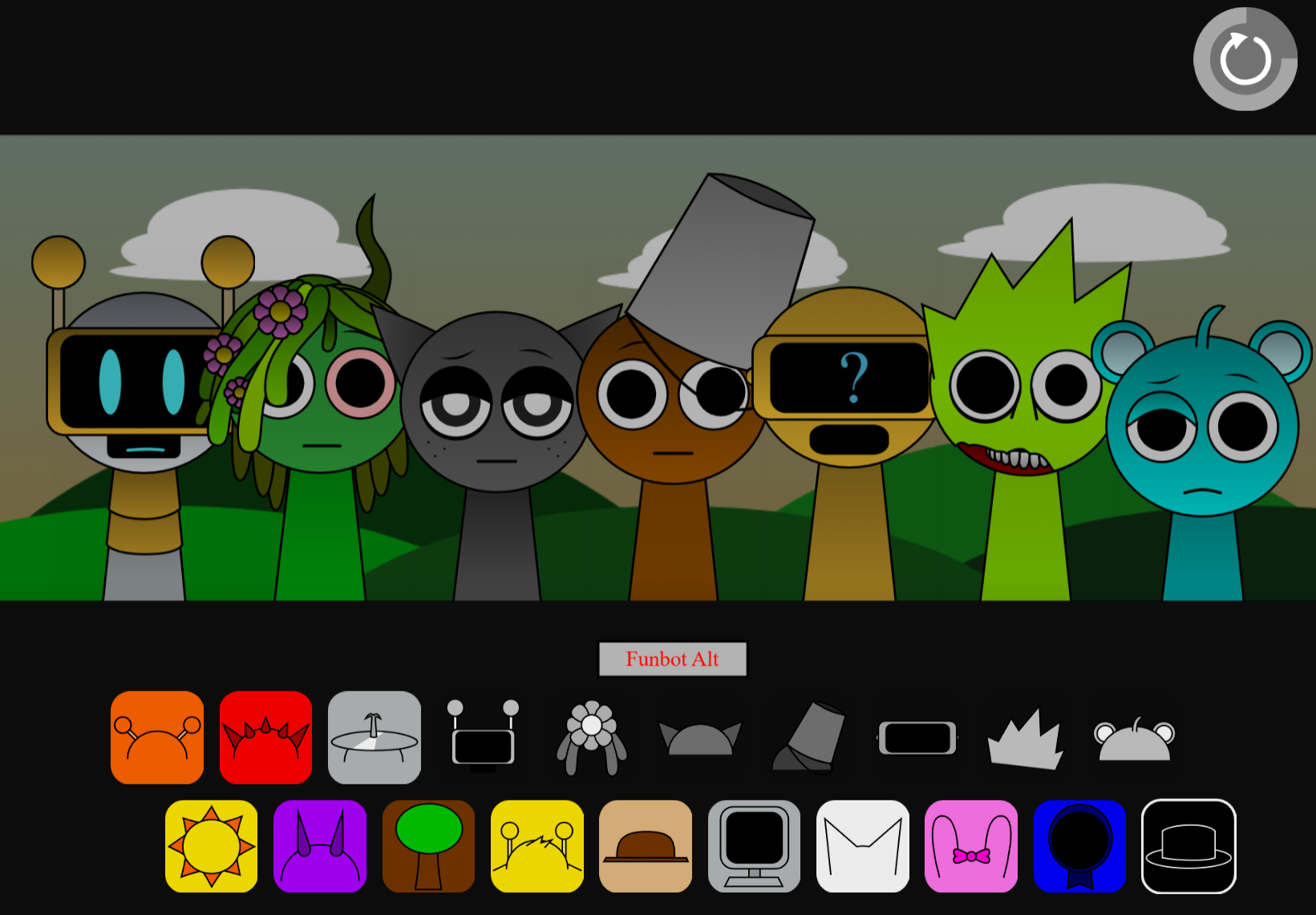

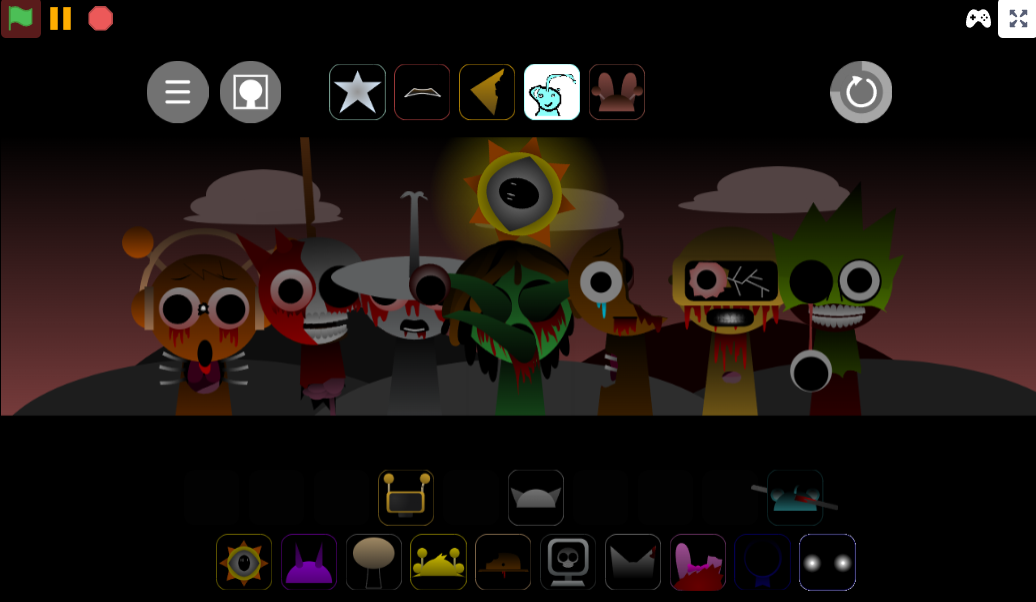
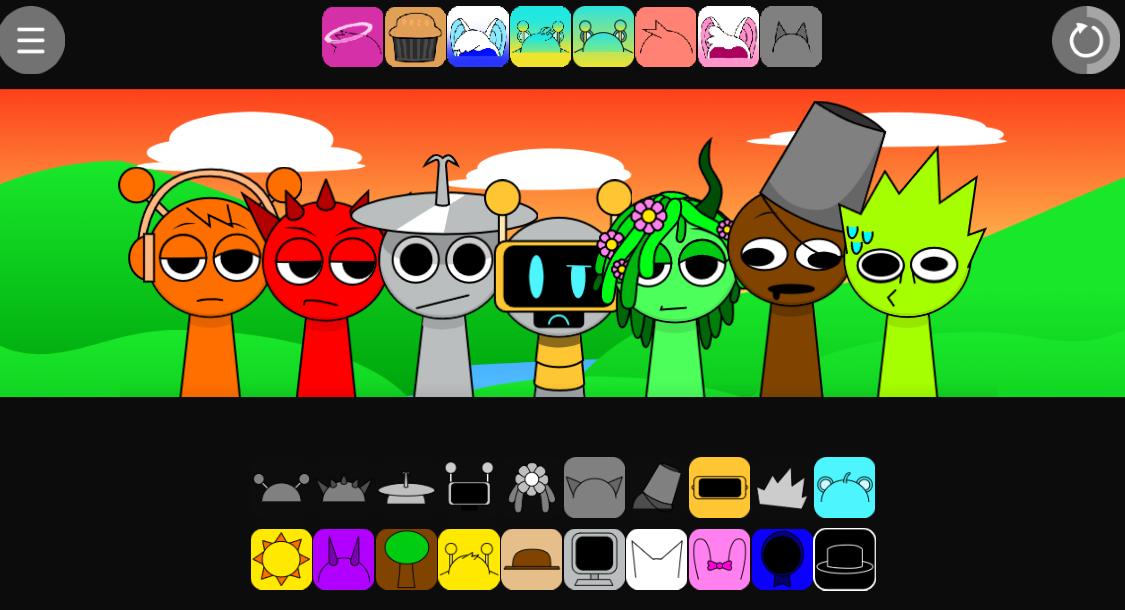
Sprunki Reversed Phase 3 Remake Not Official is a fan-made music creation mod that flips the Sprunki universe into a darker, distorted soundscape where players layer reversed audio loops to build experimental tracks.
Players drag character icons onto slots to combine beats, melodies, vocals, and effects, with the core gameplay revolving around discovering hidden combinations and bonuses that unlock new sounds and visual reactions. This unofficial remake iterates on the reversed aesthetic introduced in earlier phases, pushing the sound design toward heavier distortion and glitchier textures.
This article focuses on the clearest play-focused answers: how the slot system works, which character combinations trigger bonuses, how the reversed audio affects mixing strategy, and what distinguishes this phase from earlier Sprunki mods.
Sprunki Reversed Phase 3 - Remake [Not Official] Beginner Guide
Sprunki Reversed Phase 3 - Remake is an unofficial, community-made version built on the reversed universe concept. Players drag character icons onto slots to layer beats, melodies, vocals, and effects into dark, distorted soundscapes. Each icon adds a musical part with reversed timing—loops feel delayed, rhythms sound glitchy, and vocals echo as though arriving from an altered timeline.
The goal is discovering which layers create a coherent mix without clutering the track. Version 2.9 adds four new bonuses tied to specific character lineups, rewarding experimentation beyond safe combinations.
For beginners, work slowly:
- Place one icon and hear its full loop. Identify whether it functions as rhythm, melody, vocal, or effect.
- Add a second layer only when it supports the first. A firm beat anchors unstable melodies; sparse vocals give aggressive rhythms space.
- Swap instead of endlessly stacking. Remove weaker layers when new sounds compete.
- Build toward a mood rather than filling every slot. Sparse arrangements can be more effective than crowded mixes.
Listen to the gaps between loops and the echoes each layer leaves. Those spaces reveal whether the mix is balanced.
Mastering the Reversed Phase 3 Mechanics
The remake rewards patient testing and selective layering over rushing to fill the board. Start with a clear foundation—a heavy rhythmic character works well as an anchor, paired with one eerie melody or restrained vocal. Once stable, introduce a third sound to deepen atmosphere rather than duplicate existing parts.
If the track becomes clutered, use mute or solo controls. Soloing a character reveals whether its loop contributes useful pulse, melody, or texture. Muting shows how much room it had been taking from the arrangement.
When a combination feels stuck, use Black Void or Purple Paradox to clear the problem layer and restore movement. Rebuild with fewer parts, then bring in new sounds one at a time.
The four new bonuses in V2.9 encourage testing unusual pairings. A lineup that sounds awkward with a dense vocal may strengthen when that vocal is replaced with a quieter melody or effect. Try changing character order and roles instead of repeating the same arrangement.
Practical Mixing Tips
Treat every character as a deliberate choice. Listen first, add second, and replace layers when they stop serving the track.
- Begin with a steady rhythm. Choose one heavy beat before adding other parts. This gives reversed melodies and vocal echoes a stable pulse.
- Use melodies sparingly. One strong melodic loop can define the mood, but too many overlapping melodies blur the arrangement.
- Test custom character sounds carefully. Simon, Tuner, and Wenda have custom audio fitting the glitchy aesthetic. Their sounds are useful starting points, but combining all three immediately may overcrowd the mix.
- Try Wenda over a simpler beat. Wenda’s vocal texture adds atmosphere without requiring several other layers. Pair it with heavy rhythm first, then decide if the track needs additional melody or effect.
- Swap characters instead of filling every slot. Removing one clashing sound makes remaining parts feel more intentional.
- Use mute and solo to diagnose problems. A character that sounds interesting alone may not fit the full arrangement.
- Rework mistakes without hesitation. Remove awkward layers, use clearing tools when needed, and rebuild. The V2.9 bonuses make experimentation worthwhile.
Features of the Remake
The central feature is reversed phase sound design. Familiar character roles become distorted, time-flipped loops that feel like assembling a damaged musical echo rather than conventional beat-building.
The core interface remains accessible: drag icons into slots and combine beats, vocals, melodies, and effects. Dark palettes, glitchy transitions, and twitchy character movements reinforce the mirror-world atmosphere.
V2.9 specifics include:
- Four new bonuses encouraging particular character combinations
- Custom sound work for Simon, Tunner, and Wenda giving those characters distinct mix roles
- Clean animation and dark visual design supporting distorted audio—community feedback describes it as having “one of the cleanest animations” among reversed mods
- Mute, solo, swapping, and clearing options making combination testing accessible without musical training
This is not official. It is a fan-made remake retaining mechanics and assets from earlier community templates rather than a creator-led continuation.
Related Games
- Sprunki Reversed Phase 2.5 More Graphics — Explore an earlier Reversed universe installment with enhanced visuals to compare its flipped character designs and eerie mix-building style with this Phase 3 remake.
- Sprunki Reversed Phase 6 The Extended Version — Continue into a later extended Reversed phase for more distorted character loops, darker combinations, and expanded glitch-horror music experimentation.
Is This Remake Worth Trying?
This unofficial project suits players who enjoy experimenting with mood, texture, and unusual timing. It keeps the approachable Sprunki format while making each choice less predictable—a new icon can stabilize the track, darken it, create haunting echoes, or expose clashes requiring complete rebuilds.
For newcomers, it offers an accessible way to explore Sprunki’s distorted side. For experienced players, V2.9 bonuses, custom character loops, and deliberate reversed presentation provide reasons to keep testing lineups before moving toward Phase 4.